

Mumbai (Maharashtra) [India], January 19: For all the noise around pan-India blockbusters, global streamers, and “content universes,” the most telling television moment of the season didn’t come from a glossy OTT launch. It came from a familiar living room ritual. Families paused dinners. Phones lit up with WhatsApp forwards. Twitter (sorry—X) rediscovered its Kannada vocabulary.
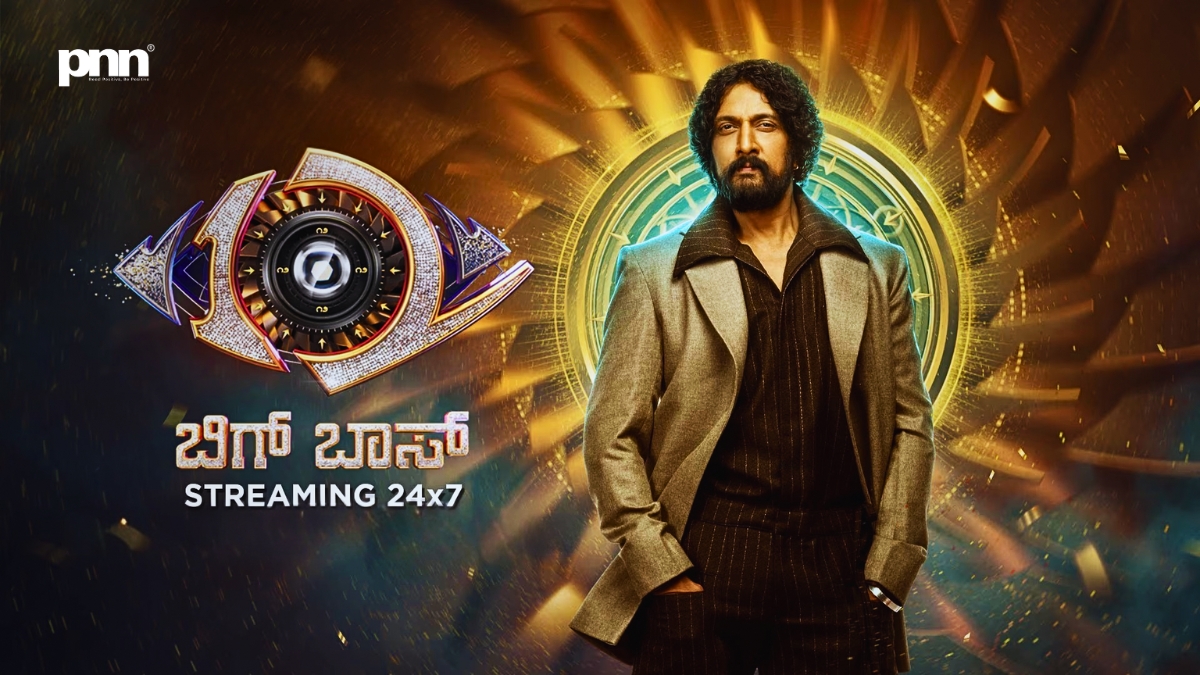
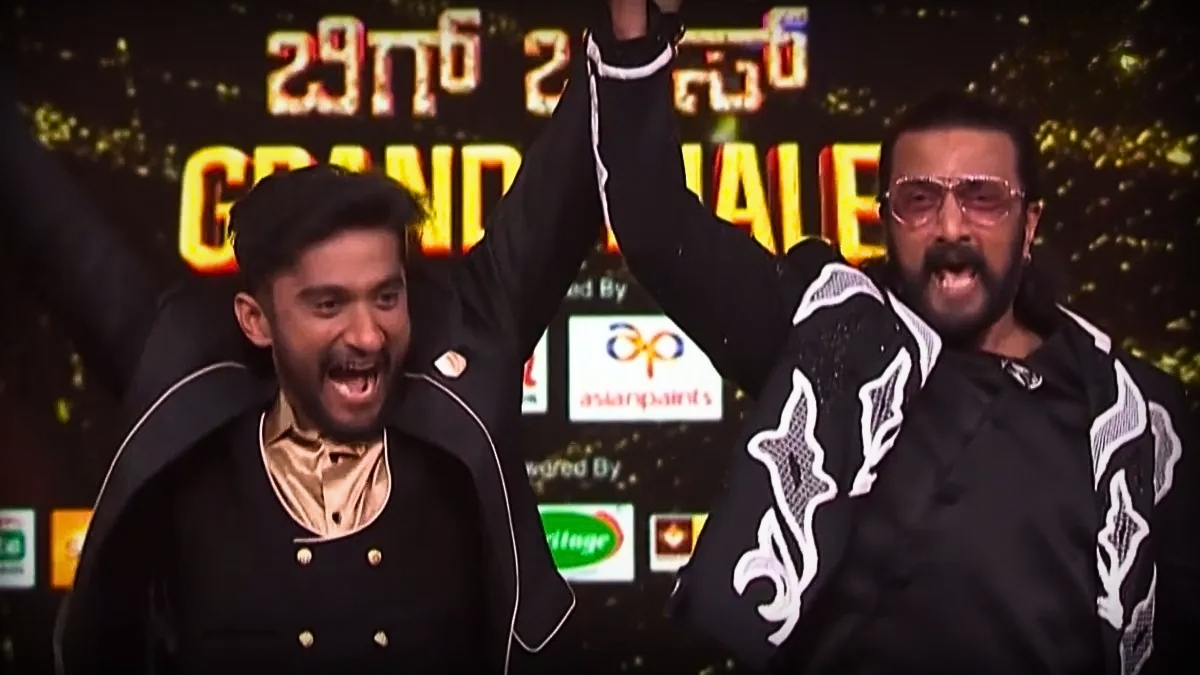
Bigg Boss Kannada 12 ended, and Gilli Nata walked away with the trophy, prize money, and a shiny new car—while the real winner, once again, was regional reality television itself.
The finale, hosted by the ever-commanding Kichcha Sudeep, wasn’t just a victory lap for a contestant. It was a reminder that regional reality shows haven’t merely survived India’s fragmented attention economy—they’ve quietly evolved to dominate it.
And they’re doing it without pretending to be anything they’re not.
The Finale Was Emotional—But The Statement Was Strategic
Yes, there were tears. Yes, there were dramatic montages, swelling background scores, and speeches about “journeys.” That’s part of the format’s DNA. But strip away the spectacle, and the finale revealed something more interesting: Bigg Boss Kannada still commands appointment viewing.
In an era where audiences binge when bored and skip when distracted, this show continues to make people show up live. That’s not nostalgia. That’s power.
The finale reportedly pulled strong television ratings and even stronger digital chatter, with clips, memes, and fan edits circulating within minutes. Regional hashtags trended locally for hours—sometimes longer than national news stories. That doesn’t happen by accident. It happens when a format understands its audience better than algorithms do.
Bigg Boss Isn’t Just A Show—It’s A Social System
One of the biggest mistakes critics make is dismissing reality TV as “mindless.” Bigg Boss, especially in regional editions, is anything but.
It operates like a compressed version of society:
-
Conflicts mirror real-life class, gender, and cultural tensions.
-
Language becomes identity.
-
Voting becomes participation, not passivity.
In Karnataka, Bigg Boss Kannada has consistently leaned into regional sensibilities—local slang, cultural references, and contestants who feel recognizably from here, not imported archetypes.
That relatability is its secret weapon.
Gilli Nata’s Win And The Myth Of Manufactured Outcomes
Every season ends with the same accusation: “It’s scripted.” And yet, viewers keep voting.
Gilli Nata’s victory sparked celebration among fans who followed his arc closely—his confrontations, vulnerabilities, and gradual consolidation of support. Whether one agrees with the outcome or not, the sheer intensity of reactions suggests one thing clearly: people believed it mattered.
And belief is the real currency of reality TV.
Pros Of The Current Format:
-
Strong viewer identification with contestants
-
Active fan participation through voting and social media
-
Clear narrative arcs that sustain interest over months
Cons That Won’t Go Away:
-
Perceived bias in editing
-
Emotional manipulation through storytelling
-
Contestant burnout and post-show mental health concerns
The show thrives in this tension. Transparency is demanded, drama is delivered, and skepticism fuels engagement rather than killing it.
Why Regional Reality TV Still Outperforms National Noise
National entertainment conversations often overlook regional dominance, but advertisers don’t.
Regional reality shows deliver:
-
Consistent ratings
-
Highly loyal audiences
-
Language-specific engagement that converts to brand recall
While national reality formats struggle with fatigue, regional editions refresh themselves by reflecting local moods. They don’t chase global trends. They remix them.
In 2025–26, this approach has proven commercially sound. Brands targeting Tier-2 and Tier-3 markets increasingly prioritize regional reality slots over generic prime-time placements. It’s cheaper, sharper, and culturally aligned.
The Host Factor: Authority Still Matters
Kichcha Sudeep’s role cannot be understated. In an age where hosts are often reduced to narrators, he remains an authority figure—disciplinarian, mediator, and moral compass rolled into one.
That gravitas stabilizes the chaos.
Audiences don’t just watch contestants respond to situations; they watch how the host frames those situations. That framing shapes public opinion season after season.
Not every regional show gets this balance right. Bigg Boss Kannada largely does.
Digital Isn’t Replacing TV—It’s Feeding It
One of the most fascinating shifts in 2025–26 is how regional reality TV uses digital platforms as amplifiers, not alternatives.
Episodes still air on television first. But:
-
Arguments trend on social media
-
Voting campaigns live online
-
Contestant narratives extend into reels and shorts
The result? A feedback loop where TV creates moments and digital culture magnifies them.
This hybrid consumption model has kept Bigg Boss relevant long after similar formats elsewhere began to feel stale.
The Uncomfortable Truth: Drama Still Sells Better Than “Values”
For all its evolution, Bigg Boss hasn’t become enlightened television. Conflict remains its engine. Emotional breakdowns still drive TRPs. Personal trauma is often repackaged as “growth.”
This is where criticism sticks—and rightly so.
As audiences mature, there’s increasing discomfort with how far producers push contestants psychologically. While disclaimers and support systems exist, transparency around them remains limited.
That’s the ethical tightrope the genre must confront moving forward.
Evolution Without Reinvention
Bigg Boss Kannada 12 didn’t reinvent reality TV. It refined it.
The show adjusted pacing, integrated digital feedback faster, and leaned harder into audience participation. It didn’t abandon its core formula—because it didn’t need to.
In a world obsessed with disruption, this was a case study in sustainable familiarity.
What This Means For Regional Entertainment In India
The success of Bigg Boss Kannada 12 reinforces a larger trend:
-
Regional content isn’t “catching up” to national entertainment.
-
It’s operating on a different axis altogether.
It doesn’t seek validation from pan-India virality. It builds loyalty locally—and lets that scale organically.
That’s not louder. It’s smarter.
Final Thought: The Crown Was Symbolic—The Audience Was Sovereign
Gilli Nata may have lifted the trophy, but the real coronation happened in living rooms across Karnataka. Bigg Boss Kannada once again proved that regional reality shows aren’t side shows in India’s entertainment ecosystem—they’re cultural anchors.
And as long as they continue to reflect the anxieties, aspirations, and contradictions of their audiences, they’ll remain impossible to ignore.
Sarcasm aside, that’s not just entertainment.
That’s influence.