

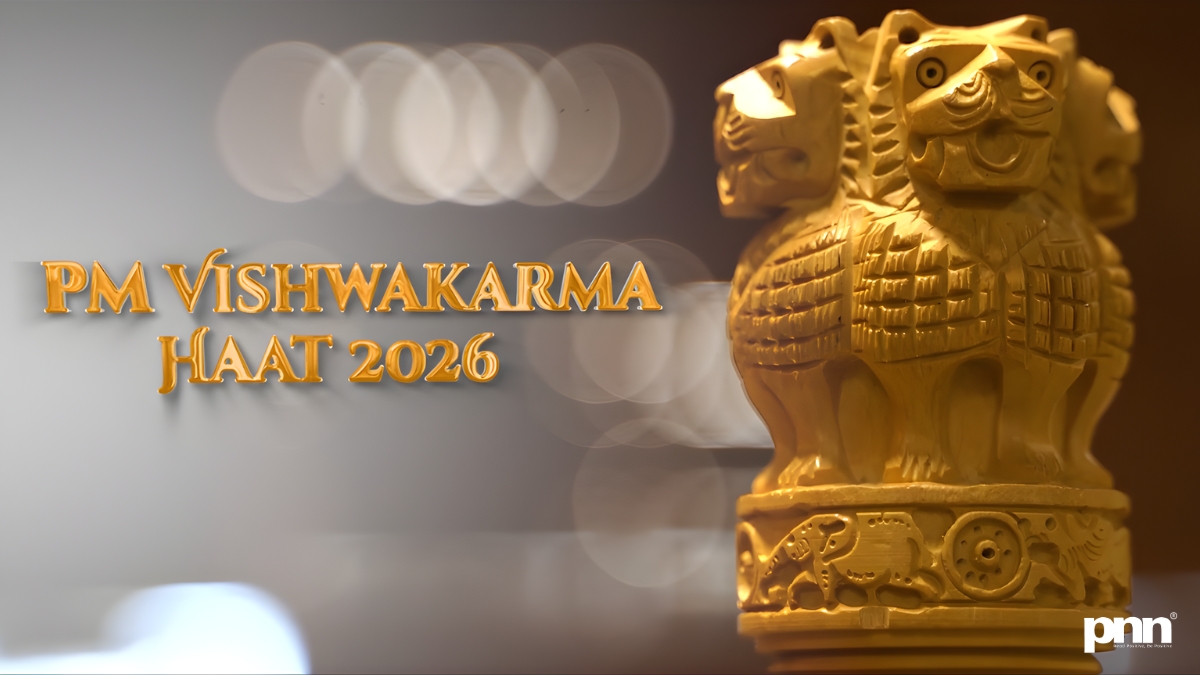
New Delhi [India], January 17: India’s growth story is not only built in factories and offices. From January 18 to 31, it takes shape in wood, metal, fabric and clay at PM Vishwakarma Haat 2026 in New Delhi.
The Ministry of Micro, Small and Medium Enterprises is organising PM Vishwakarma Haat 2026 at Dilli Haat, INA, turning the capital’s cultural hub into a living map of India’s traditional skills. Open daily from 10:30 AM to 10:00 PM, the exhibition is dedicated exclusively to artisans and craftspeople covered under the PM Vishwakarma Scheme.
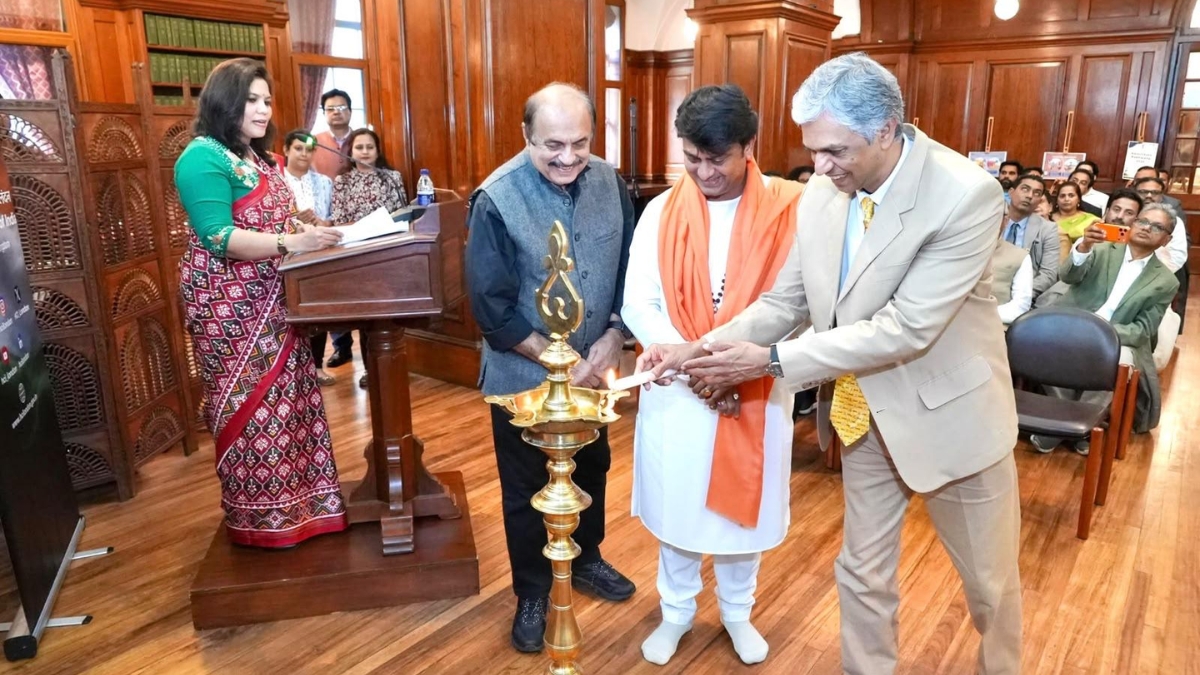
The event will be inaugurated by Union Minister for MSME Shri Jitan Ram Manjhi, in the presence of Minister of State for MSME Sushri Shobha Karandlaje. The message is clear. Crafts are not nostalgia. They are strategy.
PM Vishwakarma Haat 2026 brings together more than 117 artisans from States and Union Territories across the country. That matters. This is not a token display. It is a pan-India representation of skills that have survived centuries and now need markets, not sympathy.
From the Northeast to the Deccan, from coastal traditions to desert crafts, the exhibition captures the sheer range of India’s artisanal economy. Each stall is a business opportunity. Each product is a livelihood.
The Haat is designed to do one thing well. Connect makers directly with buyers. National buyers. International buyers. Tourists. Policy stakeholders. Everyday Indians who value quality over mass production.
This is not charity. It is commerce, rooted in culture.
What PM Vishwakarma Haat 2026 Is Really About
At its core, PM Vishwakarma Haat 2026 is an extension of the PM Vishwakarma Scheme. The scheme focuses on empowering traditional artisans and craftspeople by improving access to skills training, credit, tools and markets.
PM Vishwakarma Haat 2026
A celebration of India’s craftsmanship, culture and creativity.
Drop by and explore the artistry of Vishwakarmas.
18-31 January 2026
10:30 AM-10:00 PM
Dilli Haat -INA, New Delhi#PMVishwakarma #PMVishwakarmaHaat26… pic.twitter.com/1IhkxX1Ov4
— Office of Development Commissioner (MSME) (@dcmsmeoffice) January 17, 2026
The Haat addresses the last mile. Visibility. Sales. Recognition.
By giving artisans a high-footfall, high-profile platform in New Delhi, the government is closing a gap that has long hurt traditional crafts. Skill existed. Demand existed. Access did not.
Now it does.
The exhibition aligns with the broader vision of “Vishwakarma Ka Abhiyaan, Viksit Bharat Ka Nirman”. Translation without slogans: India’s development cannot ignore the hands that built its economy long before startups became fashionable.
Visitors to PM Vishwakarma Haat 2026 will see more than finished products. The exhibition features live craft demonstrations, giving people a front-row seat to how traditional skills actually work.
This matters more than it sounds. Watching an artisan carve, weave or shape metal changes perception. Craft stops being decorative. It becomes technical, precise and demanding.
Cultural experiences woven through the exhibition add context. These crafts come from communities, regions and histories. You cannot separate the object from the story behind it.
And honestly, that story sells.
India has no shortage of skilled artisans. What it has lacked is consistent market linkage. PM Vishwakarma Haat 2026 directly tackles that problem.
The event is expected to attract national and international buyers. Representatives from foreign missions have also been invited. That signals intent. Indian crafts are not just for domestic shelves. They belong in global markets.
For artisans under the PM Vishwakarma Scheme, this kind of exposure is rare and valuable. Orders placed here do not end on January 31. They ripple forward into sustained income.
The MSME ecosystem depends on this. Small producers need predictable demand. Craftspeople need recognition as economic contributors, not cultural footnotes.
Location is not accidental. Dilli Haat, INA, is one of New Delhi’s most visited cultural marketplaces. It attracts locals, tourists and international visitors in equal measure.
By hosting PM Vishwakarma Haat 2026 here, the MSME Ministry is maximising footfall and visibility. The setting already understands craft. The audience is primed.
It also reinforces a simple idea. Traditional skills deserve premium spaces, not side corners.
PM Vishwakarma Haat 2026 reinforces the Government of India’s stated commitment to empowering artisans and preserving traditional skills. But more importantly, it shows up in execution.
An organised exhibition. Clear timelines. National participation. International outreach. Direct ministerial involvement.
This is policy stepping out of files and onto the ground.
For the MSME Ministry, the Haat is also a signal to States and Union Territories. Support your artisans. Identify them. Prepare them for markets. The centre is creating platforms. The ecosystem must respond.
India’s demographic story is young. Its skills story is ancient. PM Vishwakarma Haat 2026 sits at that intersection.
Young buyers increasingly want authenticity. Sustainable products. Things with a story. Traditional crafts check all those boxes, without needing buzzwords.
For artisans, especially in rural and semi-urban India, platforms like this validate their work in a rapidly modernising economy. It says your skill still matters. It still pays.
And that matters in a country where migration often happens because traditional livelihoods fail, not because ambition disappears.
Visitors can expect a curated selection of handcrafted products across categories. Textiles. Woodwork. Metal crafts. Clay and pottery. Decorative and utility items rooted in regional traditions.
They can interact directly with artisans. Understand techniques. Place orders. Build relationships.
They can also simply walk, observe and absorb the scale of India’s craftsmanship. No filters. No gloss. Just skill.
For families, students, designers and entrepreneurs, PM Vishwakarma Haat 2026 doubles as an education. This is where ideas come from.
PM Vishwakarma Haat 2026 is not meant to be a one-off spectacle. It is part of a larger shift in how India treats its informal and traditional sectors.
Empowerment now means access, not applause. Markets, not medals.
If scaled and repeated, such platforms can redefine how crafts fit into India’s growth story. Not as relics. As revenue.