




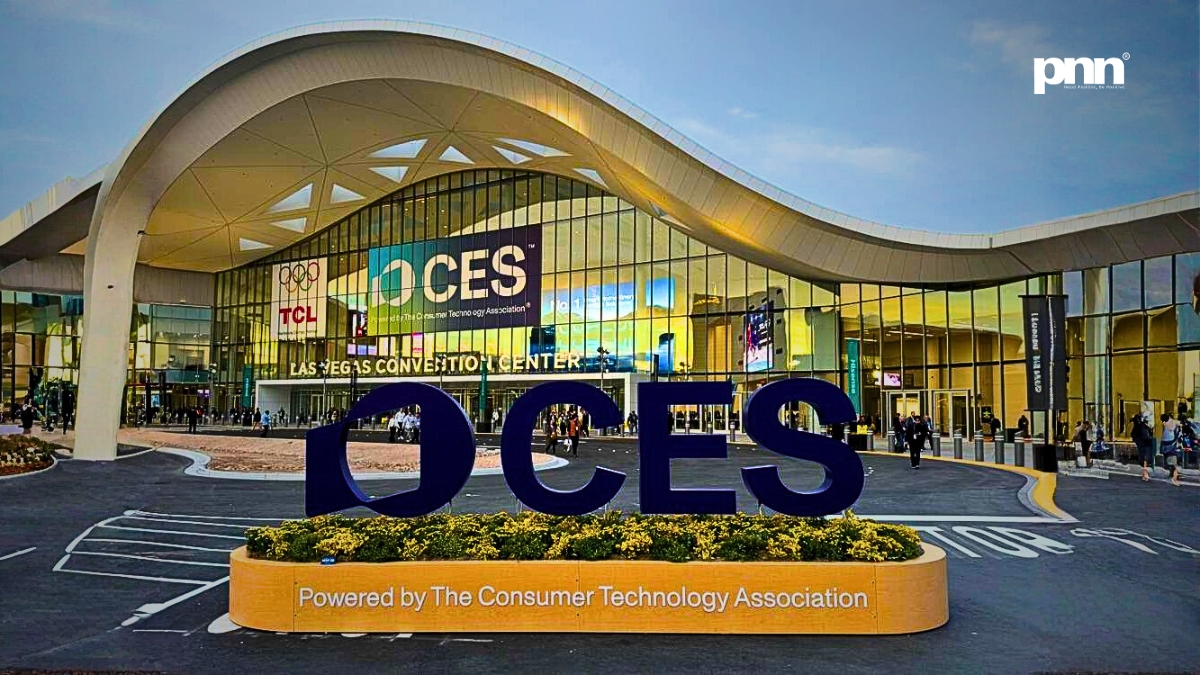
Mumbai (Maharashtra) [India], January 16: Las Vegas has always thrived on spectacle. Neon promises. Artificial skies. Grand illusions carefully engineered to feel like destiny. So perhaps it’s fitting that CES 2026 didn’t arrive shouting about the future—it arrived quietly, rolling luggage through airports, scanning pulses at wrists, and answering questions before anyone bothered to ask them.
This year’s show felt less like a tech carnival and more like a performance review.
The message was blunt, almost unfashionably practical: artificial intelligence is done auditioning. It wants the job.
Gone were the louder gimmicks of novelty screens and speculative prototypes that never survive beyond the demo floor. CES 2026 leaned into something more unsettling and, frankly, more powerful—technology that doesn’t ask for attention but assumes responsibility. AI headsets acting as cognitive co-pilots. Robots that don’t entertain, but operate. Health scanners that don’t gamify wellness but flag risk before symptoms learn how to introduce themselves.
This wasn’t innovation chasing applause. This was infrastructure learning how to breathe.
And that shift changes everything.
The Long Road To A Less Glamorous Future
To understand why CES 2026 feels different, one has to rewind a decade. The last ten years of consumer tech were dominated by spectacle: smarter phones, thinner screens, louder promises. AI existed, yes—but largely as a feature, not a force. Assistants answered weather queries. Algorithms suggested playlists. The future was always “coming next year.”
That patience has expired.
Global investment into AI-related technologies crossed the multi-hundred-billion-dollar mark well before 2025, with enterprise deployment outpacing consumer adoption by a wide margin. Healthcare systems, logistics networks, aviation hubs, and energy researchers were already using machine intelligence quietly, without flashy launches or keynote theatrics.
CES 2026 simply acknowledged the obvious: the most important technologies no longer need applause—they need clearance badges.
When AI Stopped Being Smart And Started Being Useful
The most talked-about category this year wasn’t entertainment or personal computing. It was a delegation.
AI-powered headsets emerged not as lifestyle accessories, but as decision filters—processing schedules, translating conversations in real time, summarising dense information streams, and reducing cognitive clutter. The pitch wasn’t productivity theatre. It was mental bandwidth preservation.
Equally telling were autonomous service robots deployed for large-scale transit environments. These weren’t experimental novelties bumping into walls. They were designed for airports, security corridors, and logistics hubs—spaces where error margins are expensive, and patience is thin. Their selling point wasn’t charm. It was consistency.
And then there were the health technologies.
Advanced biometric scanners capable of tracking early markers for cardiovascular stress, metabolic disorders, and neurological irregularities drew both admiration and unease. These devices promise early intervention, personalised medicine, and reduced healthcare strain. They also raise the uncomfortable question: who owns your future diagnosis?
Efficiency, it turns out, comes with paperwork.
The Promise Is Real. So Are The Complications.
For all its progress, CES 2026 didn’t pretend the road ahead is frictionless. If anything, the subtext of the show acknowledged what marketing decks rarely admit—scale magnifies consequence.
On the positive side:
-
AI integration is reducing operational costs across healthcare, transport, and enterprise systems.
-
Automation is improving safety in environments too repetitive or hazardous for humans.
-
Preventative health monitoring could save billions in long-term care expenses.
-
Fusion energy modelling partnerships showcased genuine strides toward sustainable power simulations, with funding now crossing into serious scientific territory rather than speculative hype.
But optimism doesn’t erase the fine print.
On the darker edge:
-
Workforce displacement remains unresolved, especially in the service and logistics sectors.
-
Data governance around health biometrics is lagging behind technological capability.
-
AI dependency introduces systemic risk—when machines fail, they fail at scale.
-
Regulatory frameworks remain reactive, not predictive.
The future may be efficient, but it isn’t automatically equitable.
A PR Narrative With Teeth
From a public relations standpoint, CES 2026 walked a careful line. The messaging wasn’t “look what we can build.” It was “look what already works.” That distinction matters.
Companies framed AI as an assistant, not a replacement. As augmentation, not automation. Language softened edges that reality hasn’t yet dulled. And while the tone was measured, the ambition was unmistakable.
Behind closed doors, conversations were less polished. Questions about liability, transparency, and long-term trust surfaced repeatedly. Executives spoke less about disruption and more about integration—a word that sounds harmless until you realise it means everything changes quietly.
PR isn’t about spin anymore. It’s about reassurance.
The Human Question Nobody Can Code Around
Perhaps the most revealing aspect of CES 2026 wasn’t what was launched, but what lingered unspoken.
As machines assume more real-world responsibility, human roles become harder to define. Creativity remains safe—for now. Empathy is still ours—mostly. But decision-making, once the final human frontier, is being shared with systems that don’t experience doubt.
That’s efficient. It’s also unsettling.
The show hinted at a future where humans supervise rather than operate, interpret rather than execute. A world where trust in systems becomes as essential as understanding them. And where opting out isn’t always practical.
Convenience, after all, is a persuasive negotiator.
What CES 2026 Quietly Confirmed
This year’s event didn’t feel like a launchpad. It felt like a checkpoint.
AI is no longer a guest in our lives. It’s moving in, unpacking, and reorganising the furniture. The question is no longer if it belongs—but how much control we’re willing to surrender for comfort.
CES 2026 didn’t sell fantasies. It presented responsibilities wrapped in sleek hardware. It reminded us that progress doesn’t always arrive loudly. Sometimes it shows up on time, does the job better than expected, and waits patiently for instructions.
And that may be the most unsettling innovation of all.