





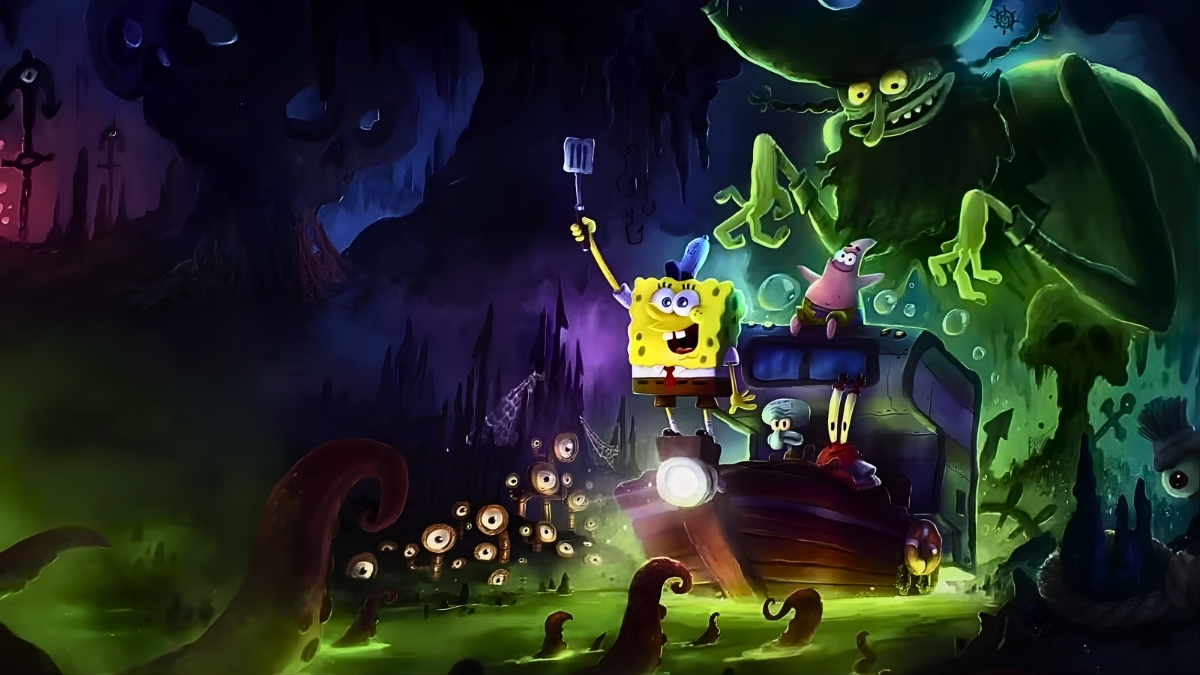
Mumbai (Maharashtra) [India], January 6: Some characters age. Some franchises retire with dignity. And then there’s SpongeBob SquarePants — a porous yellow optimist who has outlived formats, platforms, cultural cycles, and several generations of irony. The SpongeBob Movie: Search for SquarePants, arriving as a global box-office conversation in late 2025 and early 2026, is not a nostalgia accident. It’s a strategy. A loud, bubble-blowing, slightly unhinged strategy that primarily works — and occasionally reminds us why not every childhood memory needs a cinematic rescue mission.
The SpongeBob Movie: Search for SquarePants has crossed its first significant global box-office milestone this weekend, reaffirming a truth Hollywood both loves and fears: legacy franchises don’t need reinvention when nostalgia itself is the product. The film’s performance isn’t a thunderclap moment for cinema—but it is a steady, profitable ripple that studios crave in an otherwise volatile theatrical ecosystem.
This isn’t a comeback story. SpongeBob never left. He just waited patiently for the audience to miss him enough.
A Legacy That Refuses To Sink
SpongeBob SquarePants debuted over two decades ago, surviving generational shifts, platform wars, and the occasional creative dip that most long-running animated properties quietly drown in. Unlike many peers that aged into irrelevance or irony, SpongeBob achieved something rare: becoming culturally static in a good way.
The new film doesn’t attempt to modernise SpongeBob or inject unnecessary gravitas. There’s no existential crisis, no ironic deconstruction, no attempt to “grow up with the audience.” Instead, it leans unapologetically into absurdity, slapstick, and cartoon logic—an intentional refusal to evolve that paradoxically keeps the brand alive.
That decision is both its greatest strength and its biggest creative risk.
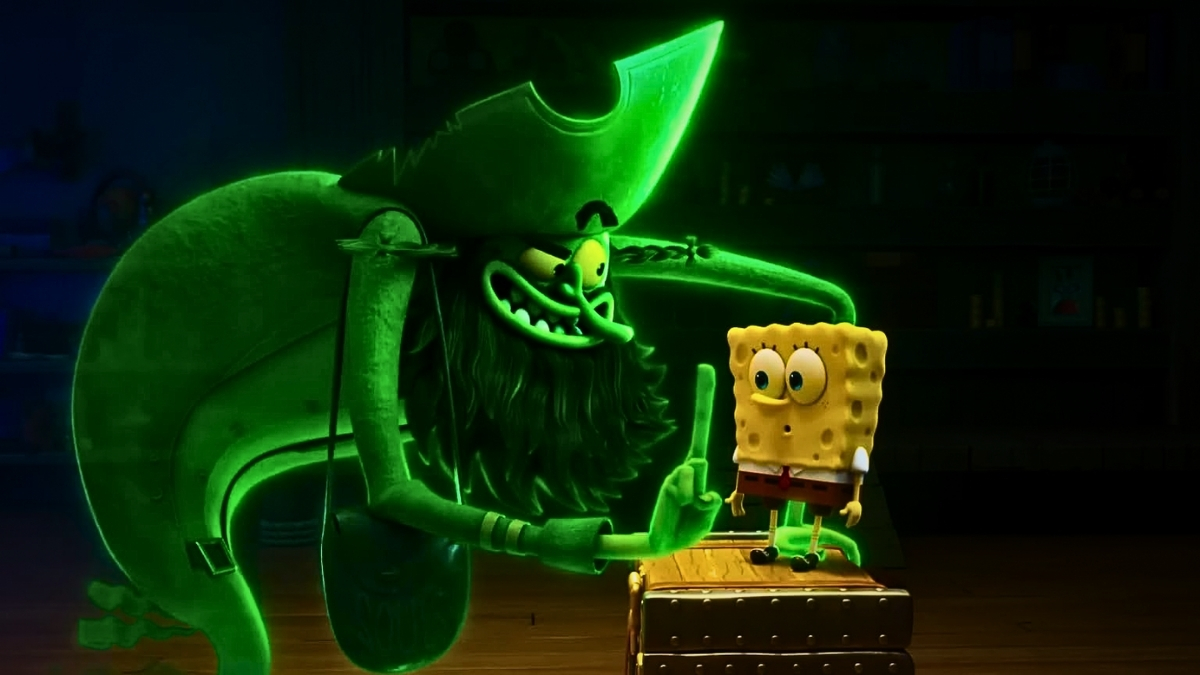
The Box Office Numbers That Matter (And The Ones That Don’t)
The film’s worldwide earnings crossing a significant early milestone signals more than raw revenue—it signals confidence. In a post-pandemic theatrical market still struggling to define what belongs on the big screen, animated franchises with recognisable characters remain safe bets.
What’s notable isn’t just the money earned, but how it’s being earned:
-
Strong family turnout
-
Repeat viewings from younger audiences
-
Adult millennials attending out of pure muscle memory
-
Healthy international traction where SpongeBob’s visual humor transcends language
However, the numbers stop short of being explosive. This isn’t a cultural event on the scale of genre-defining animated releases. It’s a controlled success—steady, predictable, and designed to justify sequels rather than redefine animation.
Which, in today’s market, might be the smartest play possible.
Why Nostalgia Still Wins (Even When We Pretend It Doesn’t)
Studios often dress nostalgia in new clothes—legacy sequels, multiverse callbacks, rebooted timelines. Search for SquarePants skips the performance entirely. It understands its audience isn’t craving surprise—they’re craving reassurance.
In an era marked by algorithm fatigue, political anxiety, and content overload, SpongeBob offers something radical: familiarity without commentary. No meta jokes about aging fans. No wink at internet culture. Just jokes, chaos, and undersea nonsense.
That simplicity becomes a lifestyle choice rather than a creative limitation.
The Creative Ceiling Of Playing It Safe
Here’s where the film’s sheen dulls slightly.
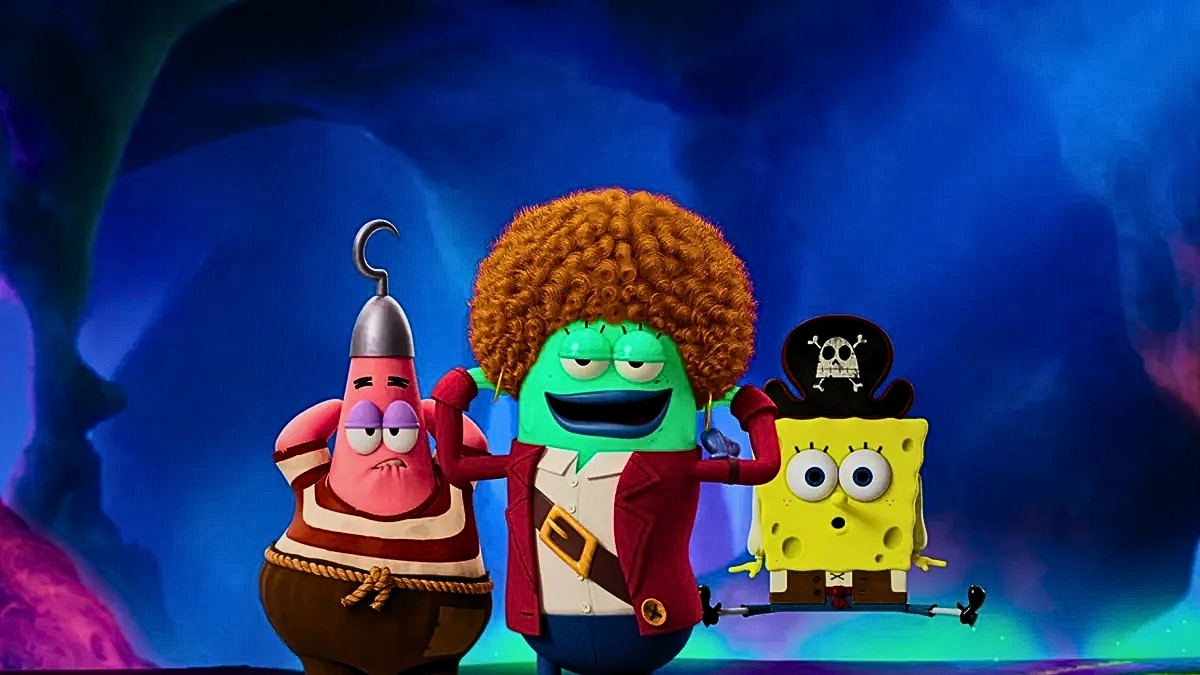
While the animation remains polished and the humor reliably accessible, the narrative ambition is modest at best. The film follows a familiar quest structure, ticking boxes rather than challenging expectations. Longtime fans will find comfort—but not surprise.
This isn’t the SpongeBob film that redefines animation storytelling. It doesn’t experiment visually or emotionally. It doesn’t take narrative risks. And while that restraint keeps the brand intact, it also raises a quiet question: how long can safety remain sustainable?
At some point, even comfort food needs seasoning.
Animation As A Financial Anchor, Not A Creative Frontier
The success of Search for SquarePants reflects a broader industry shift. Animation—once the playground for experimentation—is increasingly becoming Hollywood’s financial stabiliser.
Franchises like SpongeBob now serve as:
-
Predictable revenue streams
-
Family-friendly theatrical insurance
-
Merchandise engines
-
Streaming-to-theatre crossover brands
The film’s budget, while not extravagant by blockbuster standards, was carefully optimised to guarantee profitability rather than chase spectacle. Marketing leaned heavily on brand recognition rather than innovation.
It’s a smart business move. It’s also a quiet admission that studios are prioritising reliability over risk.
Audience Reaction: Comfort Over Critique
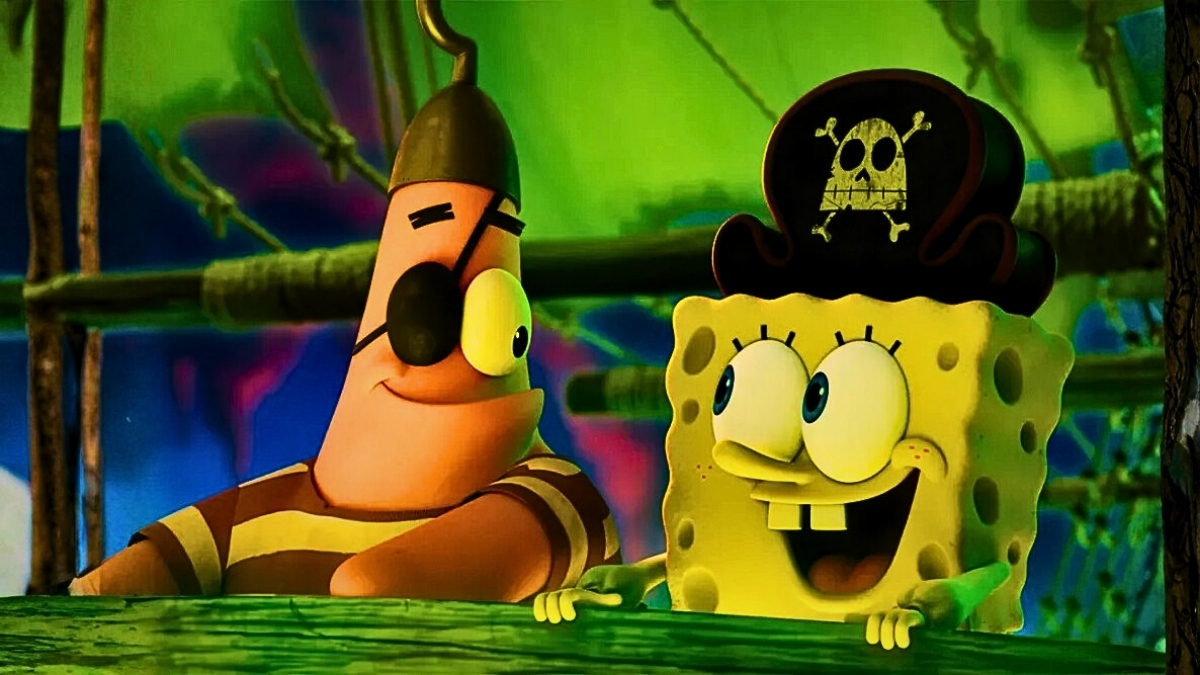
Early audience responses mirror the film’s tone—warm, forgiving, and largely uncritical. Viewers aren’t dissecting character arcs or narrative logic. They’re laughing, taking children, reminiscing, and leaving satisfied.
That satisfaction, however, isn’t synonymous with excitement.
The film doesn’t dominate conversation the way breakout animated hits do. It exists comfortably in the background of pop culture—visible, profitable, and unchallenging.
For SpongeBob, that might be precisely the point.
What This Milestone Really Signals For The Industry
The film’s box office performance sends a message that’s both encouraging and slightly unsettling:
-
Theatrical animation still works
-
Legacy IP remains powerful
-
Audiences reward familiarity
-
Risk is optional, not essential
For studios, this reinforces a temptation to mine existing properties endlessly. For creatives, it raises concerns about stagnation. For audiences, it offers comfort—until comfort turns into creative inertia.
The Road Ahead: Expansion Or Exhaustion?
With another milestone crossed and future projects already in motion, SpongeBob’s cinematic future seems secure. Sequels are inevitable. Spin-offs remain viable. The brand is too stable to abandon.
The real question isn’t whether SpongeBob can continue—it’s whether he should continue unchanged.
At some point, even the most elastic characters need evolution to avoid becoming background noise. Whether the franchise chooses gentle reinvention or continues coasting on goodwill will define its next decade.
Final Verdict: A Win That Knows Its Limits
The SpongeBob Movie: Search for SquarePants doesn’t aim to be revolutionary—and it doesn’t need to be. Its success lies in understanding its role: a reminder that joy doesn’t always require reinvention, and laughter doesn’t need justification.
But beneath the cheerful absurdity lies a quiet warning for the industry. Nostalgia is powerful—but it’s also finite.
For now, SpongeBob floats comfortably. Whether he swims forward or treads water next is a decision that will matter more than this milestone suggests.
And yes—he’s still absorbing box-office dollars like, well, a sponge.