

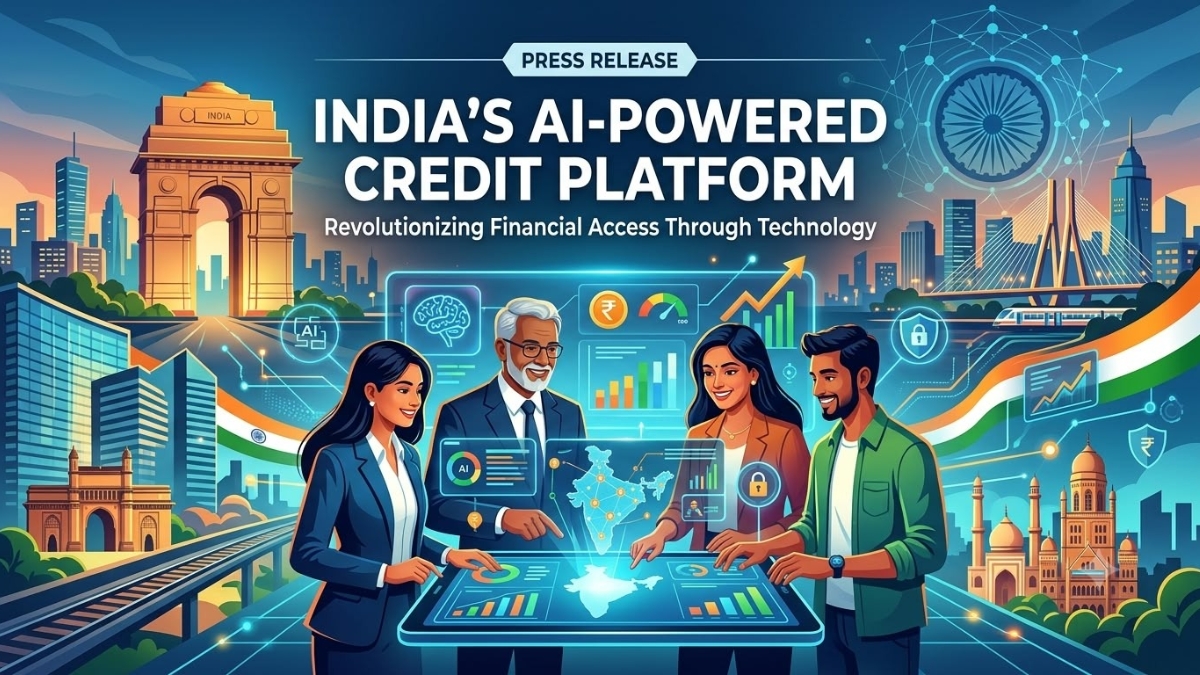


New Delhi [India] August 15: As India celebrates its Independence Day, a new chapter in the digital era begins with the launch of Bataiyo. This revolutionary platform, opening for registration today, aims to reshape how service providers and consumers connect in the digital landscape.
As India rapidly advances in the digital age, important questions arise: Are we all truly benefiting from this technology boom? Can we rely on the information we find online? Most crucially, is every Indian able to fully engage with this digital transformation?
When we need a service—whether it’s finding a good restaurant, consulting a new city’s healthcare providers, or locating a skilled craftsman—we often depend on online reviews and ratings. But with the prevalence of fake reviews, bots, and purchased ratings, how trustworthy are these sources?
Introducing “Bataiyo”, a groundbreaking platform launching its registration on August 15, 2024—India’s Independence Day. Bataiyo aims to address these issues with its zero-commission model, transforming the way service providers and consumers connect. This innovative platform will offer a transparent and reliable method to find quality services through personal recommendations, avoiding the pitfalls of traditional online reviews.
In today’s service economy, high commission fees reduce profits for service providers and drive up costs for consumers. Bataiyo eliminates these fees, allowing service providers to keep their full earnings and offering fair prices to consumers. This creates a more equitable and trustworthy digital marketplace.
Bataiyo also has a significant social mission. By launching on Independence Day, the platform is committed to including those who have been excluded from the digital world so far. Through its initiatives, Bataiyo will provide digital education and training, aligning with national goals to ensure every Indian has the opportunity to become digitally savvy.
Founded by Mr. Jitender Bhutani of Hansi, Haryana, Bataiyo envisions a platform where every Indian can build their digital presence and contribute to the country’s progress.
Starting August 15, 2024, Bataiyo will ensure a fair and transparent system, marking a new chapter in the digital era, built on trust and inclusivity.