





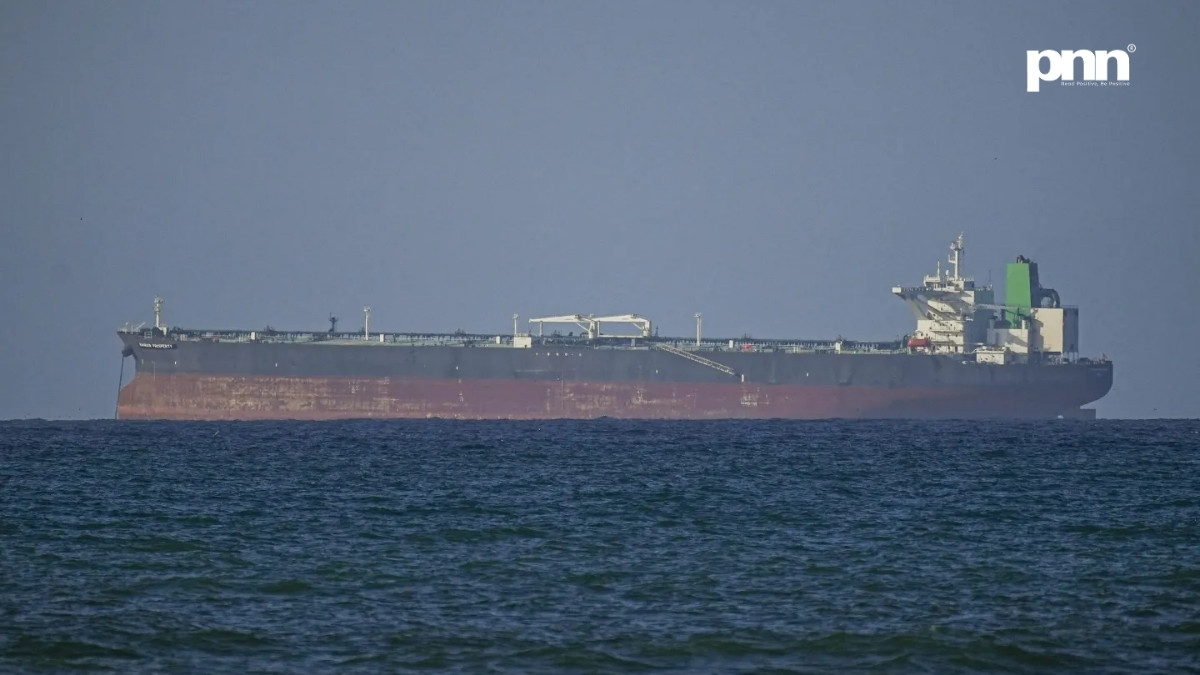
New Delhi [India], June 30: For nations dependent on imported fuels, energy security has emerged as a key policy priority. Even short-term geopolitical events can disrupt supply chains, freight rates and energy prices, prompting governments to strengthen emergency stockpiles. The recent Iran conflict and tensions in the Persian Gulf have reinforced the need for India, which imports nearly 90% of its crude oil requirements, to adopt a more comprehensive fuel security strategy.
The Centre is now looking to build strategic reserves of crude oil, liquefied petroleum gas (LPG) and liquefied natural gas (LNG). According to people familiar with the matter, the proposed reserves could be designed to meet up to one month of India’s domestic demand, helping reduce the country’s exposure to future supply disruptions.
To advance the proposal, the Ministry of Petroleum and Natural Gas has constituted a committee to examine its feasibility. The panel will assess potential storage locations, infrastructure requirements, ownership and operating models, as well as the appropriate mix of underground caverns and above-ground storage facilities.
The move follows the recent Iran conflict, which renewed concerns over global energy security. Although oil supplies remained largely uninterrupted, the episode highlighted the vulnerability of countries dependent on imports through the Strait of Hormuz, one of the world’s busiest oil shipping routes. A significant share of India’s crude oil imports passes through this strategic waterway, making uninterrupted access a critical policy concern.
India currently maintains Strategic Petroleum Reserves (SPRs) with a capacity of 5.33 million metric tonnes (MMT) at Visakhapatnam, Mangaluru and Padur. These underground facilities, managed by Indian Strategic Petroleum Reserves Limited (ISPRL), are intended to provide emergency supplies during major disruptions.
The government has already approved Phase II strategic reserves at Chandikhol in Odisha and Padur Phase II in Karnataka, which together will add 6.5 MMT of storage capacity once completed. The latest proposal, however, reflects a broader approach by extending strategic storage beyond crude oil to include LPG and LNG.
The shift also mirrors changes in India’s energy consumption pattern. Demand for LPG has risen steadily over the past decade due to wider household adoption and growing commercial use. At the same time, the government aims to increase the share of natural gas in India’s energy mix, making LNG reserves increasingly relevant.
What stands out is that policymakers are looking beyond immediate crisis management. Instead of focusing solely on crude oil, the proposed framework seeks to establish a diversified strategic reserve system capable of supporting multiple fuel requirements during periods of geopolitical uncertainty.
The committee is expected to evaluate public-private partnership (PPP) models, financing options and international best practices adopted by other major energy-importing countries. It will also compare the cost, security and operational advantages of underground storage with above-ground facilities.
Expanding strategic reserves will require significant investment and long-term planning. Underground caverns offer greater protection and lower operating costs over time, while above-ground storage can often be developed more quickly and expanded in phases. The final approach is expected to balance cost, security and logistical efficiency.
The initiative aligns with India’s long-term energy resilience strategy as fuel demand continues to rise alongside economic growth. Building larger emergency reserves across multiple fuels would provide policymakers with greater flexibility during global supply disruptions and help cushion the impact of market volatility.
While the proposal remains under evaluation, it signals a clear policy direction. The recent geopolitical tensions have highlighted the importance of maintaining reliable energy supplies in an increasingly uncertain world. If implemented, the expanded reserve programme would represent another significant step towards strengthening India’s long-term energy security while reducing its vulnerability to external supply shocks.