




Surat (Gujarat) [India], April 01: Known as the Diamond and Textile City, Surat is now building a new identity in the healthcare sector as well. With 12 successful kidney transplants performed at Shalby Hospital in the past three months, Surat is emerging as a transplant hub. This achievement has also helped the city gain a strong position on the medical tourism map.
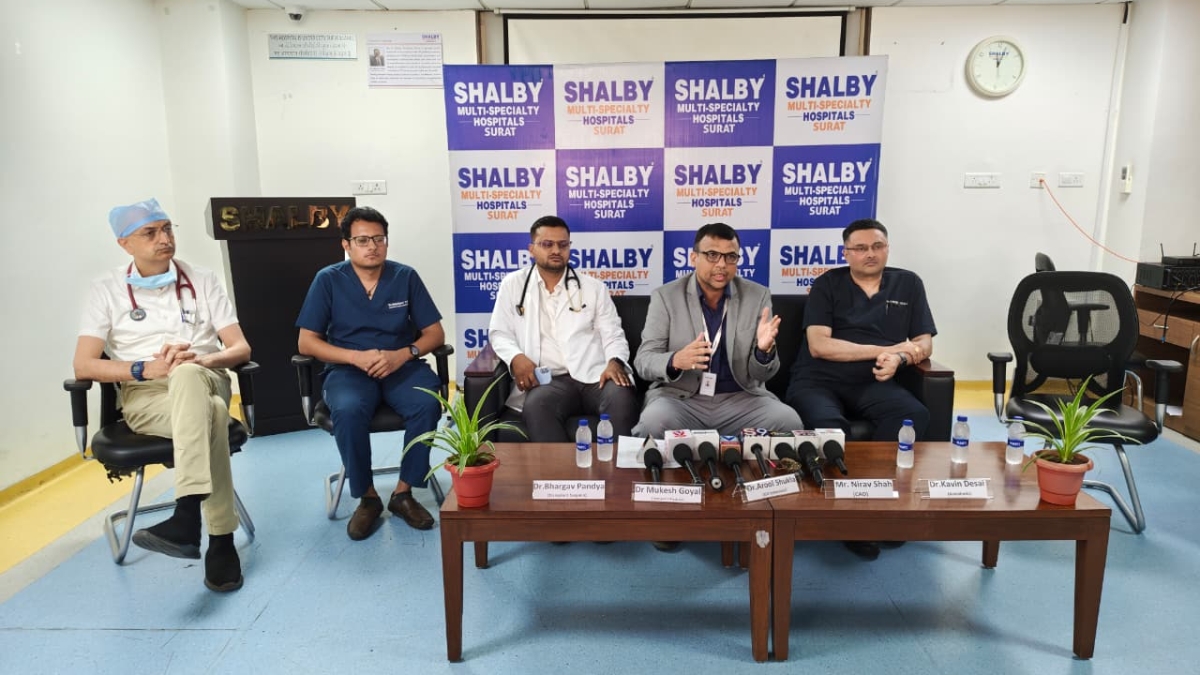
Nirav Shah, Chief Administrative Officer of Shalby Hospital, stated that earlier, people used to travel to Mumbai or Ahmedabad for transplants, but now Surat has become a city where even complex transplant procedures can be successfully performed. He added that all 12 transplants carried out in the last three months have been successful, and a large number of patients are making inquiries for future procedures. Currently, the hospital has made a strong beginning with kidney transplants and is planning to expand into liver and other organ transplants in the future.
Consultant nephrologist and transplant specialist Dr. Mukesh Goyal said that after receiving approval for transplants, the hospital has performed 12 procedures in just a few months, all of which were successful. He noted that Surat is no longer limited to serving just the city but is now attracting patients from across Gujarat and Saurashtra.
Transplant surgery is a complex procedure that requires coordinated teamwork among specialists. It primarily involves a nephrologist, a urosurgeon, and an anesthetist.
In such surgeries:
Dr. Mukesh Goyal (Nephrologist) identifies the patient, conducts a thorough evaluation, and prepares them for the transplant.
Dr. Bhargav Pandya (Urologist) handles the main surgical procedure.
Dr. Kavin Desai (Anesthetist) ensures proper anesthesia and maintains patient stability during the surgery.
The coordination and teamwork of these experts make transplant surgeries safe and successful. After the surgery, Dr. Arool Shukla, Dr. Himani Garasia, and the ICU intensive care team play a crucial role in patient recovery. Transplant coordinator Sanjay Tanchak acts as a bridge between the patient and the hospital.
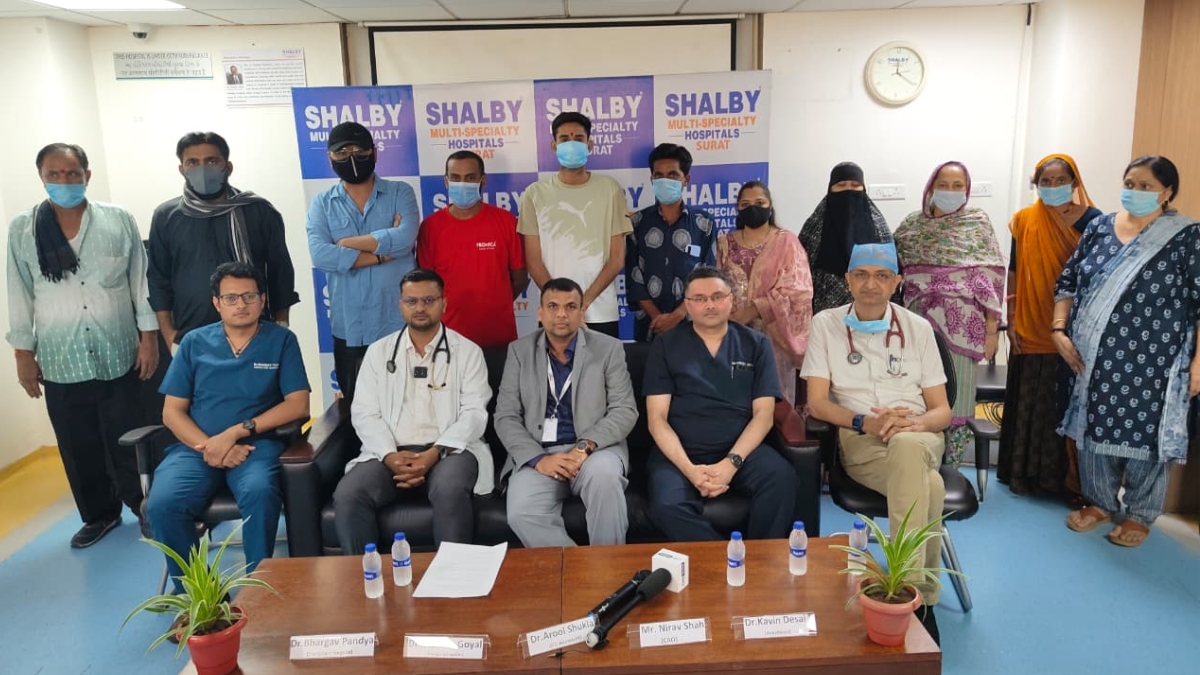
According to available data, 4 women and 8 men have undergone transplants so far. Patients from cities like Bharuch, Junagadh, and Morbi are also included. Family members have played a vital role as donors, with examples such as brothers donating to sisters, mothers to children, and sisters-in-law to brothers-in-law.
Dr. Goyal addressed common myths about kidney donation, stating that donating a kidney does not affect the donor’s health or lifespan. Humans have two kidneys, and a person can live a normal life with just one. Donors are usually discharged within 3–4 days and do not require lifelong medication.
After a transplant, patients no longer need dialysis and can return to a normal life. Recent data suggests that the 10-year survival rate for kidney transplants is around 80%, which is considered very promising.
In this way, Surat is reaching new heights in healthcare, and with increasing awareness about organ donation, the city is gradually earning recognition as a life-saving hub.
