





New Delhi [India], June 30: Defence manufacturing is slowly moving away from traditional hardware-heavy platforms, as modern warfare relies more on software, sensors and secure communication systems. The transition to electronics-based systems is underway, with functions such as electronic warfare, artificial intelligence, and network-centric operations increasingly vital to military capabilities across countries.
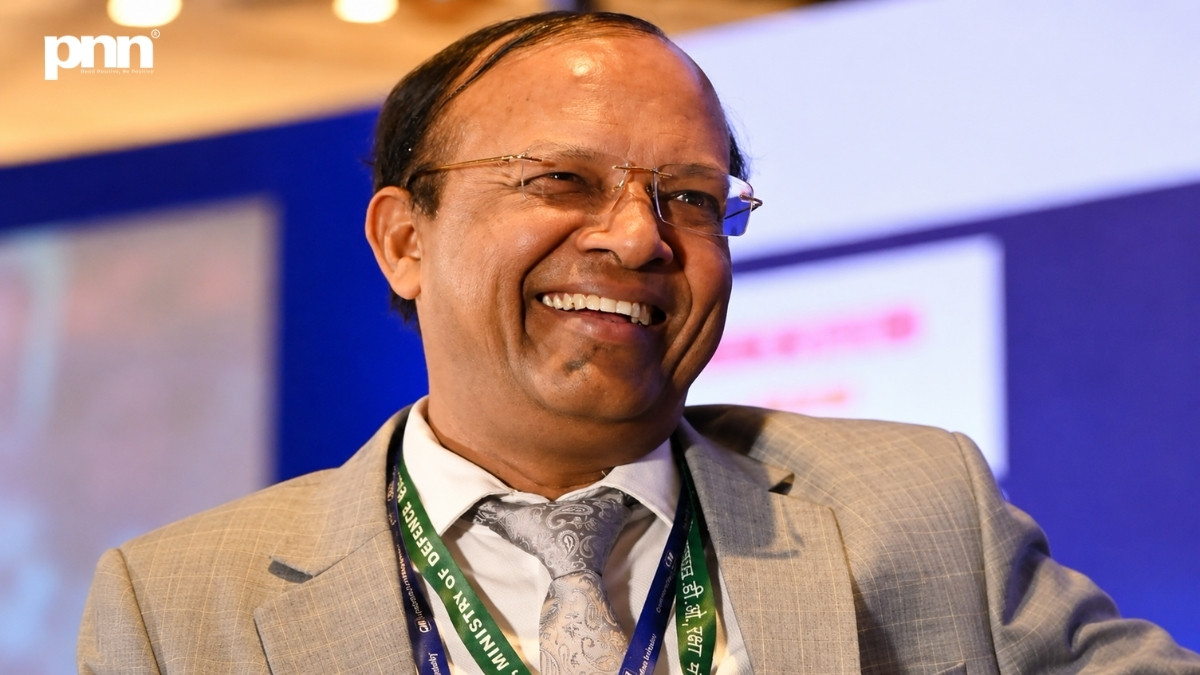
According to a roadmap presented by Distinguished Scientist at DRDO and Director General (Electronics and Communication Systems) BK Das, Tamil Nadu can become a major defence electronics hub by 2040 with an annual production capacity of ₹37,000 crore.
Das said the state has a realistic opportunity to capture a significant share of India’s growing defence electronics market, owing to its existing strengths in electronics, semiconductors, aerospace and automotive manufacturing, while speaking at the CII TNDefX Conclave 2026 in Chennai.
The opportunity itself is substantial. India’s defence electronics market is expected to grow to approximately ₹1.49 lakh crore by 2040, and Tamil Nadu is projected to account for 20–25% of this market, according to the roadmap. This also translates into a potential export opportunity of up to ₹10,000 crore per year.
This projection is closely connected with the broader shift in defence systems. Today, from fighter aircraft to naval systems and ground-based surveillance, AI-powered systems, electronic warfare, autonomous platforms, secure communication networks, and space-based technologies are becoming increasingly critical. Electronics, in many respects, is now the backbone of military capability rather than a supporting component.
The case of Tamil Nadu is largely based on its existing industrial ecosystem. The state has built a strong manufacturing base in automotive components, electronics manufacturing, precision engineering and aerospace-related supply sectors over the last decade. Its industrial depth, skilled engineering talent and export-oriented clusters provide an advantage in scaling complex defence manufacturing.
Meanwhile, the policy push on defence self-reliance (Atmanirbhar Bharat) has encouraged private sector participation in areas earlier dominated by the public sector. This transition is gradually opening opportunities for states with strong manufacturing ecosystems to integrate into high-value defence supply chains.
Das believes the development path for defence electronics is not only about production capacity but also about integration into global supply chains. There is a growing trend among countries to diversify sourcing of critical defence components, particularly in electronics and communication systems, where reliability and security are paramount.
The opportunity for Tamil Nadu sits at the intersection of these global and domestic changes. On one side is rising defence spending and technology adoption, while on the other is India’s push for localisation of high-value manufacturing. Together, these forces are reshaping defence ecosystems.
Industry experts at the conclave noted that achieving this scale will require sustained investment in R&D, component ecosystems, testing facilities and skilled manpower development. Defence electronics is not assembly-driven alone; it depends heavily on deep technology capabilities and long development cycles.
The roadmap also suggests stronger collaboration among government institutions, private manufacturers and research organisations such as DRDO. Building capabilities in areas like secure chipsets, radar systems and electronic warfare platforms will require coordinated, long-term development rather than isolated projects.
The projection for 2040 is long-term, but early signs are already visible. Tamil Nadu has been steadily attracting investments in electronics manufacturing, while defence corridors in the state are gradually evolving into structured ecosystems.
If the projections materialise, Tamil Nadu may not only emerge as a manufacturing hub supporting defence production but also as a key centre for defence electronics manufacturing and exports in India. The next decade will likely determine how quickly this transition moves from potential to execution.