



Ritesh Modi-led Kesaria Bazaar scales to 70 franchises in seven months through a factory-direct, zero-royalty retail model.
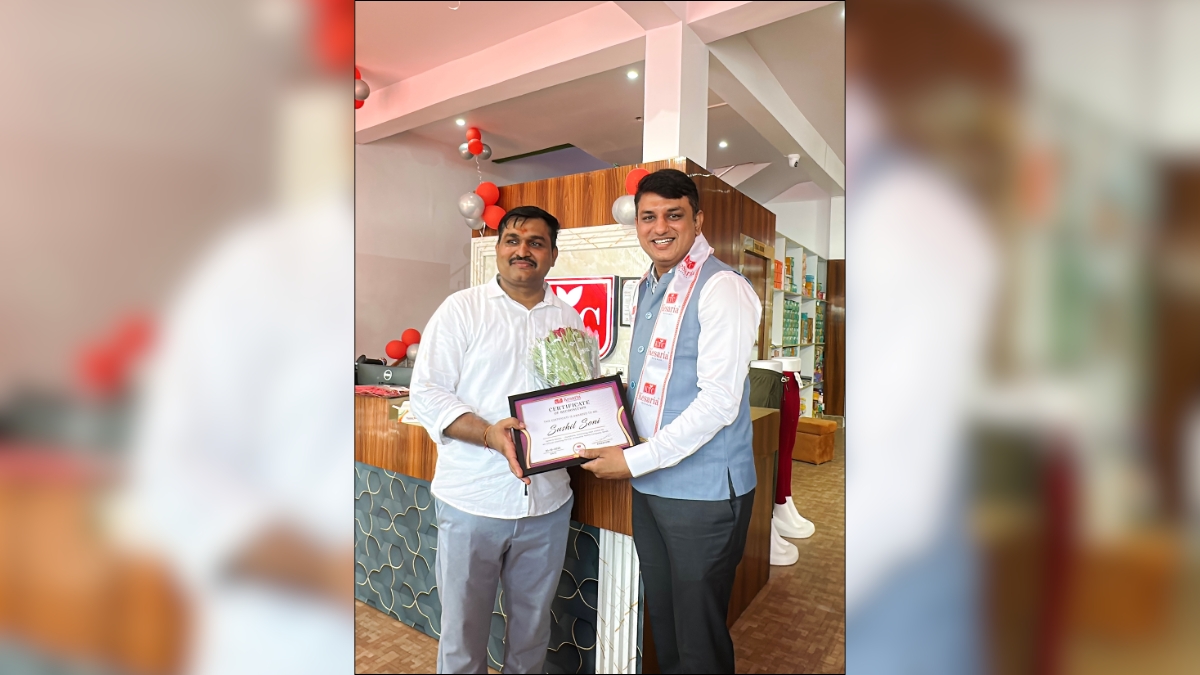
Surat (Gujarat) [India], June 30: In a remarkable demonstration of rapid business expansion, Kesaria Textile Company has established 70 franchise outlets in just seven months through its retail venture, Kesaria Bazaar. The achievement underscores the company’s vision to modernize India’s traditional apparel retail ecosystem through technology, operational efficiency, and a factory-direct business model.
Founded by textile entrepreneur Ritesh Modi, the Surat-headquartered company operates from a centralized infrastructure spanning over 1 lakh square feet and has emerged as one of the fastest-growing organized players in the apparel distribution space. With a valuation exceeding ₹100 crore, the company has built a strong presence across multiple states, including Uttar Pradesh, Bihar, Maharashtra, Karnataka, Gujarat, Rajasthan, Madhya Pradesh, Haryana, and Chhattisgarh, while also expanding into neighboring markets such as Nepal.
Breaking the Traditional Retail Cycle
For decades, India’s apparel retail industry has relied heavily on intermediaries, fragmented supply chains, and prolonged credit cycles that often reduce profitability for retailers. Kesaria Bazaar has sought to address these longstanding challenges through a direct factory-to-retail franchise model that eliminates middlemen and provides entrepreneurs with direct access to manufacturing capabilities.
The company follows a strict cash-and-carry approach, enabling franchise partners to operate without the burden of excessive credit dependencies while maintaining greater control over inventory and cash flow.
A Franchise Model Designed for Growth
The rapid expansion of Kesaria Bazaar has been driven by a franchise structure focused on simplifying operations while maximizing profitability for store owners.
Franchise partners benefit from direct manufacturing access, allowing them to source products without multiple layers of distribution and retain stronger margins. The company also operates on a zero-royalty framework, ensuring that franchise owners keep their earnings without recurring royalty obligations.
Every outlet is equipped with integrated ERP systems, barcode-enabled inventory management, and digital billing infrastructure, creating a streamlined retail experience. Through mobile-based inventory access, partners can track trends, monitor stock levels, and place replenishment orders directly from their smartphones.
To maintain consistency across locations, Kesaria Textile Company also provides support for store design, branding, and showroom development, helping local retailers create organized and professional shopping environments. Franchisees further benefit from centralized marketing resources, promotional campaigns, and branded content designed to strengthen local visibility and customer engagement.
Building a New Retail Ecosystem
According to the company, its mission extends beyond opening stores. The broader objective is to empower existing garment retailers and aspiring entrepreneurs by providing them with transparent pricing, direct factory access, and technology-enabled retail systems.
By combining centralized production, digital inventory management, and standardized retail processes, Kesaria Textile Company is creating a scalable ecosystem designed to support sustainable growth for retailers across India and international markets.
Vision 2030
With 70 franchise locations already operational, Kesaria Textile Company has outlined an ambitious roadmap for the future. The company aims to build a network of more than 150 franchises globally while working toward a valuation milestone of ₹500 crore under its Vision 2030 strategy.
As India’s apparel sector increasingly embraces organized retail and technology-driven business models, Kesaria Bazaar’s rapid growth reflects a larger shift within the industry. Under the leadership of Ritesh Modi, Kesaria Textile Company continues to position itself at the forefront of this transformation, creating new opportunities for entrepreneurs while redefining the future of textile retail.