





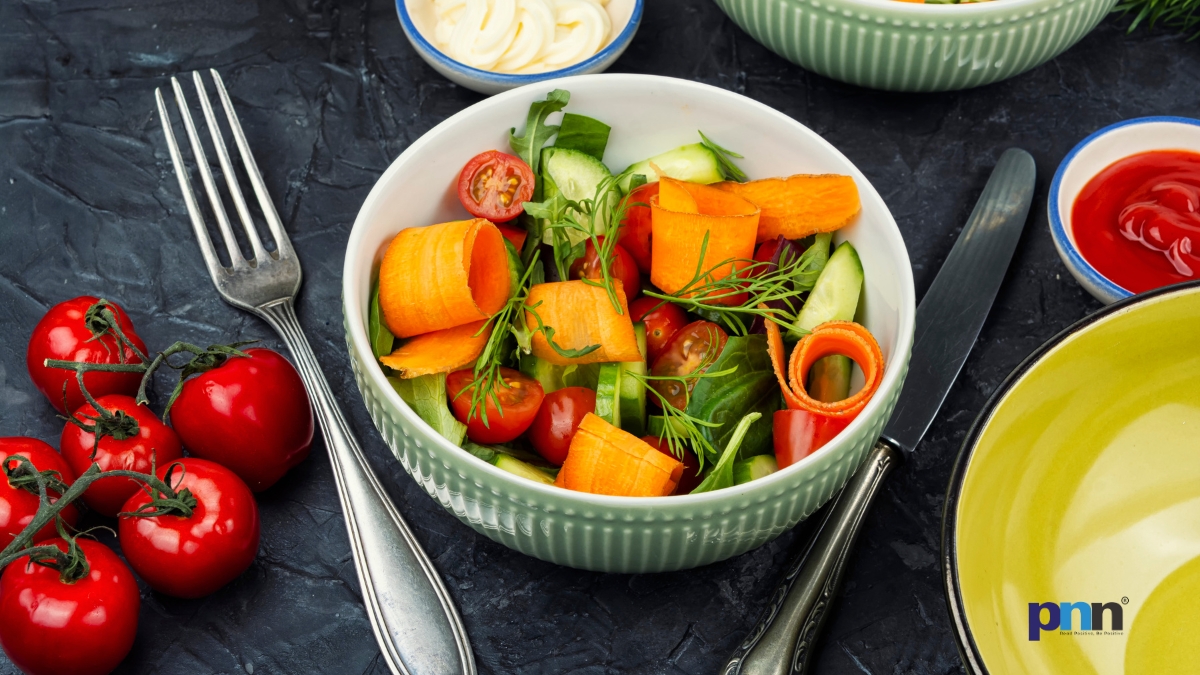
New Delhi [India], February 28: A plant-based diet for beginners is usually sold as moral clarity or metabolic salvation. It is neither. It is a nutritional shift that removes default convenience and replaces it with planning.
Plants fuel performance. That line circulates because it is partly true. Fiber-rich meals stabilize glucose. Legumes blunt insulin spikes. Phytonutrients modulate inflammation. But none of that matters if the transition is sloppy.
Most beginners fail not because the model is flawed, but because they confuse restriction with structure.
Benefits of Going Plant-Based
The benefits are documented. Lower LDL cholesterol in many cohorts. Improved glycemic control when refined carbohydrates are minimized. Increased microbiome diversity when fiber intake rises. Sustainable food choices reduce the environmental load per calorie compared to high-meat consumption.
But health outcomes depend on food quality. A vegan diet guide 2026 that revolves around ultra-processed meat substitutes and refined grains is technically compliant and metabolically unimpressive.
The advantage of plants is density — fiber, antioxidants, potassium, and magnesium. When meals revolve around vegetables, legumes, intact grains, nuts, and seeds, caloric excess becomes harder. Satiety improves. Energy smooths out.
None of this is automatic. Oreos are plant-based.
Key Nutrients to Monitor
The conversation becomes serious here.
Protein is manageable but requires attention. Plant protein sources — lentils, chickpeas, tofu, tempeh, edamame, quinoa, hemp seeds — provide adequate amino acids when intake is varied and sufficient. Complete plant proteins exist, but obsessing over single-meal completeness is unnecessary if overall intake across the day is diverse.
Vitamin B12 is non-negotiable. It must be supplemented or obtained from fortified foods. There is no reliable plant source.
Iron is present in legumes and leafy greens, but non-heme iron absorbs less efficiently. Pairing with vitamin C improves uptake. Monitor levels if fatigue emerges.
Omega-3 fatty acids require intake. Flaxseeds, chia seeds, and walnuts provide ALA. Conversion to EPA and DHA is limited; some choose algae-based supplementation.
Calcium, iodine, zinc — manageable, but not accidental.
The plant-based diet for beginners becomes sustainable when it is nutritionally literate. Ideology does not prevent deficiency.
Beginner Grocery List
The foundation is unglamorous.
Dried or canned legumes. Brown rice. Oats. Potatoes. Seasonal vegetables. Leafy greens. Tofu or tempeh. Nuts and seeds. Olive oil. Fortified plant milk. Berries when affordable.
Healthy plant meals are built from combinations of these, not from specialty aisles. The perimeter of the store remains the anchor.
Spices matter more than people admit. Without them, adherence drops.
Convenience is redesigned, not eliminated. Cook larger batches. Store portions. Reduce daily decision fatigue. Sustainable eating habits require logistical support.
7-Day Starter Plan
The idea of a seven-day plan is not a transformation. It is exposure.
Breakfast rotates between oats with seeds and fruit, tofu scramble with vegetables, or fortified plant yogurt with nuts. Lunch centers on grain bowls — rice or quinoa layered with beans, roasted vegetables, tahini or olive oil. Dinner alternates lentil stews, chickpea curries, stir-fried tofu with greens, whole-grain pasta with vegetables and legumes.
Snacks are fruit, handfuls of nuts, and hummus with carrots.
Fiber intake will increase sharply. Expect digestive adjustment. Hydration becomes more important. The microbiome adapts, but not instantly.
This is not detox. It is recalibration.
The plant-based diet for beginners works when it is treated as a structural dietary pattern, not a temporary cleanse. Adequate calories. Adequate protein. Strategic supplementation. Repetition until it becomes default.
Sustainable food choices are long-term behaviors, not weeklong experiments.
Remove the drama. Keep the structure.
The rest follows, or it doesn’t.