




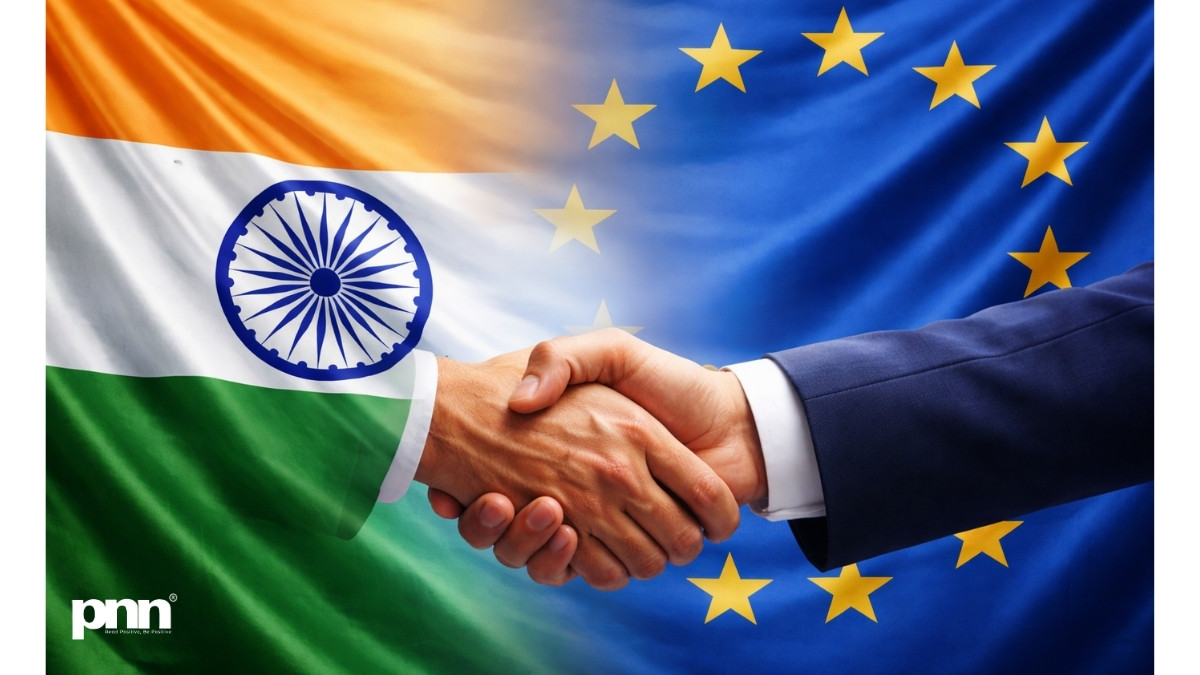
New Delhi [India], February 28: India and the European Union just delivered a solid dose of business certainty, they’re going to treat each other as Most Favoured Nation (MFN) for the next five years as part of the long-awaited free trade agreement. And yeah, this is actually a big deal for exporters, importers, and anyone who cares about reliable, non-political business news.
Let’s break down what this means, why it matters right now, and how it’s going to shape India’s role in global trade, all in plain terms, no jargon, no fluff.
What “Most Favoured Nation” Really Means
First off, the MFN status isn’t just buzzwords. It’s a straight-up trade commitment that says: if India or the EU gives better tariff treatment to another country, they must offer that same treatment to each other — for five years once the agreement’s in effect. That’s a stability promise, not a short-term gamble.
So, practically, if Brussels signs a sweetheart deal tomorrow with another trading partner and offers them lower import costs, India gets the same deal. And vice versa. That means no sudden tariff surprises, no last-minute curveballs, and that’s the kind of certainty business folks crave.
In trade lingo, MFN is a core principle of the World Trade Organization. It’s meant to avoid discrimination but locking it in bilaterally for five years is extra reassurance that both sides mean stable, predictable commerce.
Why It’s a Big Win for Business
Okay, this part deserves some hype — not hype as in irrational excitement, but “this actually matters” energy.
India and the EU represent a massive chunk of the global economy when you put them together — four billion people, trillions in combined GDP, and millions of businesses trading goods and services. And granting each other MFN status is like agreeing to play by the same set of rules for five solid years. That’s stability, and businesses like stability more than flashy headlines.
Exporters across textiles, leather, handicrafts, gems and jewellery, and chemicals will feel this. Why? Because duty predictability means they can plan production, negotiate contracts, and commit to markets with more confidence. No guesswork. No “will this change in six months?” anxiety.
Even services, businesses, IT consultancies, engineering firms, and finance providers get a clearer path to operate in the EU market, since they’ll be treated no worse than any other nation’s firms in tariff terms.
And let’s be honest, predictability beats volatility. Anyone who’s ever tried to plan a budget while tariffs flip-flop in global trade knows exactly what I mean.
What the Deal Includes: Beyond MFN
But the pact isn’t just about this five-year tariff commitment.
Both sides have agreed not to impose new import or export restrictions beyond existing WTO rules. That’s essentially a no-shock pact: you can’t spring something on me that’s outside agreed global standards.
There’s also talk in the draft about cutting red tape, aligning certification standards, and streamlining customs clearance — which could mean goods move faster across borders without unnecessary hold-ups.
On the digital trade front, India and the EU have agreed to cooperate on making online transactions smoother, safer, and more predictable — not just physical goods crossing borders but digital services, too.
So What Happens Next?
Here’s the realistic timeline: the deal has been draft-released, which means the framework is public, the commitments are laid out, and businesses can already start planning. But it still needs ratification in both regions, formal approval in India and EU member states, before it’s legally binding.
Once that’s done, the MFN treatment and other trade provisions will kick in. The hope is that the pact is operational by early 2027, giving businesses time to line up logistics, contracts, and market strategies based on this new certainty.
What Business Leaders Are Saying
There hasn’t been a coordinated press tour yet, but the vibes in the corridors of commerce are good.
Exporters see a clear avenue to bigger markets, importers see predictability in tariff costs, and global analysts see this as a sign that India is doubling down on open trade and cooperation rather than unpredictable tariff battles. That’s good news, given that many economies are oscillating between protectionism and strategic tariff moves.
The Bottom Line
This isn’t a half-baked memorandum. India and the EU agreeing to give each other Most Favoured Nation treatment for five years is a huge signal of business confidence.
It says: let’s keep commerce stable, let’s respect each other’s markets, let’s cut out surprises, and let businesses on both sides know what the rules will be for a good stretch of time.
That’s not just smart business. That’s the kind of deal that gets boardrooms talking confidently and CFOs scratching out worst-case scenarios from their spreadsheets.
And honestly, in a world where trade uncertainty feels almost normal, five years of MFN clarity feels like a breath of fresh air.