


New Delhi [India], February 14: The Gen Z Valentine Economy is quiet, but categorical. Valentine’s Day is no longer used in a ritualistic, couples-focused way, but as a wider cultural phenomenon influenced by digital behaviour, emotional intelligence, and value-based purchases.
For Gen Z, the celebration of Valentine’s Day no longer revolves around chivalrous acts or anticipated spending. It is about expression, timing, and shareability. The gift does not tell even half the story. The rest of the work is done by the experience, the post, the memory, and the relevance.
This is not rebellion. It is evolution.
Gen Z is born into smartphones, algorithms, and unlimited choice, which shapes their attitude toward consumption differently. They reward brands that avoid extravagance, respect individuality, and deliver emotional payoff without overshooting.
Why Gen Z Spends Differently
The Gen Z Valentine Economy is defined more by values than by budget limitations. This generation is not anti-consumption. It is anti-waste, anti-performance, and acutely allergic to performative romance.
Gen Z has made Valentine’s Day inclusive. Friends count. Self-love counts. Experiences count. The old-fashioned notion that February 14 exists only for couples no longer holds in a world where identity and relationships are fluid.
According to industry data, Gen Z consistently values authenticity, practicality, and emotional relevance. They are willing to spend, but only where they feel genuine value. Expensive does not equal meaningful. Visible does not equal valuable.
These attitudes have opened new avenues for businesses willing to adapt.
Creator Economy: Gifting Goes Public
The creator ecosystem is among the biggest winners in the Gen Z Valentine Economy. Valentine’s Day is now peak content season, not merely a retail moment.
Brands are no longer just selling products. They are enabling stories.
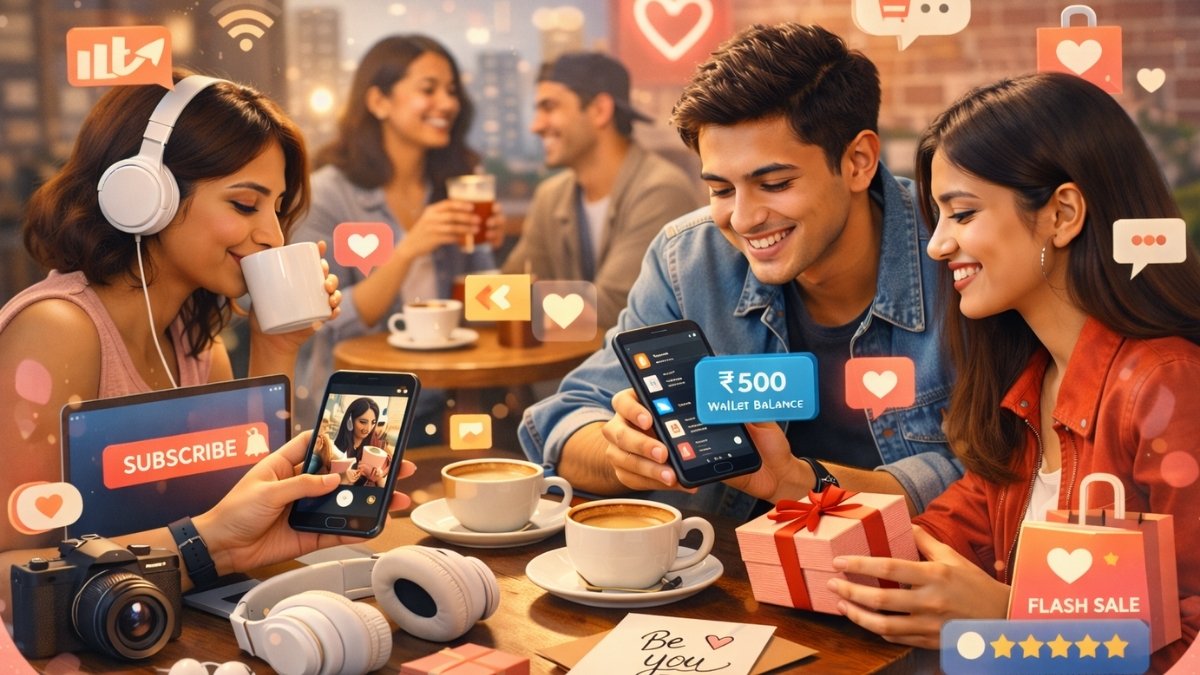
What once defined influencer gifting as limited to beauty and luxury has expanded to cafés, subscription services, digital platforms, experience brands, and even small local businesses. The goal is no longer reach alone. It is relatability.
Traditional Valentine advertising has been replaced by short-form video, especially reels. An informal café date recorded on a phone often performs better than a polished campaign. Gen Z trusts creators who feel human, not aspirationally distant.
For this generation, a gift that translates into content carries disproportionate value. It wins when it tells a story, evokes emotion, or becomes part of everyday life.
Power of Personalisation and D2C Brands
Another clear beneficiary of the Gen Z Valentine Economy is direct-to-consumer brands. Their core strength is agility.
From customised skincare sets and handcrafted chocolates to minimal jewellery and perfumes, D2C brands understand what Gen Z wants: control, choice, and character.
Valentine’s Day has shifted from short-term sales spikes to long-term relationship building. Personal notes, pricing flexibility, limited quantities, and gender-neutral positioning align with a generation that values inclusivity and transparency.
Self-gifting has also entered the mainstream. Many Gen Z consumers now buy Valentine’s products for themselves, not to conform, but as an act of self-care, making the occasion personal rather than performative.
For D2C brands, this is not a seasonal win. It is a brand-building opportunity.
Experiences Over Objects
The shift toward experiences is perhaps the defining trait of the Gen Z Valentine Economy.
Themed café menus, live performances, comedy shows, art workshops, pop-ups, and immersive experiences are seeing rising demand, especially in urban India. The product is not the ticket. It is the memory.
Gen Z derives emotional value from experiences. They encourage connection, conversation, and content creation. Crucially, they are not permanent. An unused object can feel meaningless compared to a memorable night out.
The celebration window has also expanded. Valentine-themed weekends and post-Valentine events now stretch commercial opportunities well beyond February 14.
For hospitality, entertainment, and event businesses, this shift is structural, not temporary.
Digital Gifting Comes of Age
Digital gifting has quietly become one of the most practical expressions of the Gen Z Valentine Economy.
Music and video subscriptions, fitness apps, gaming vouchers, curated playlists, and digital credits are increasingly popular. These gifts are instant, flexible, and affordable, qualities Gen Z values highly.
Unlike physical gifts, digital offerings integrate seamlessly into daily life. Their value is not limited to the occasion, making them feel more personal and less performative.
Experimental formats such as NFTs remain niche, but mainstream digital gifts continue to grow because they solve real problems. They are accessible, low-pressure, and relevant.
In a world of limited time and attention, convenience is emotional.
India’s Gen Z Valentine Playbook
In India, the Gen Z Valentine Economy is shaped by cultural sensitivity and creative pragmatism.
Young consumers across metros and emerging cities are choosing café hopping, shared experiences, digital gifting, and social-first celebrations over expensive dinners or traditional gifts.
Creativity is prioritised over extravagance. Moments over markers. Connection over convention.
This shift mirrors broader changes in Indian youth consumption. Gen Z, unlike previous generations, is comfortable blending global trends with local sensibilities. They celebrate differently, but deliberately.
What This Means for Businesses
The takeaway is simple. Valentine’s Day is no longer just a retail event. It is a cultural moment.
Brands that succeed in the Gen Z Valentine Economy understand emotional logic. They prioritise relevance over luxury, experience over excess, and authenticity over polish.
As Gen Z gains spending power, these trends will only strengthen. The future of Valentine’s Day belongs to businesses that show up meaningfully, not loudly.
In this economy, love is not merely exchanged. It is shared, personalised, and experienced. Often in under 30 seconds.