



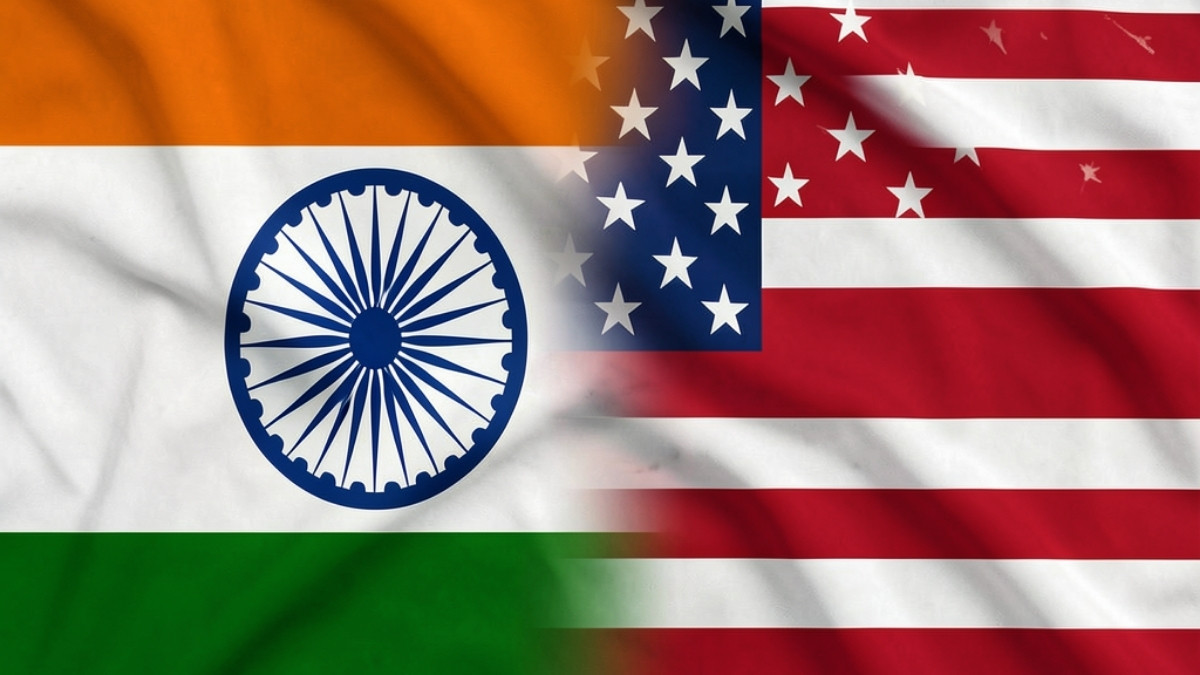
New Delhi [India], February 07: The India-US interim trade deal is not flashy, not dramatic, and not loud. That is exactly why it matters. This is trade policy doing its job quietly, efficiently, and with intent.
The Importance of the India US Interim Trade Deal
The structure of the India US interim trade deal is a calculated move away off the negotiating exhaustion to quantifiable steps. The two parties have settled on an organised interim agreement that reduces tariffs on goods of Indian origin to 18 percent and opens negotiations on a non-tariff barrier that have existed long enough. It is not a free trade agreement that is headline grabbing. It is a more practical thing. It is a working bridge.
Trade negotiations between the United States and India have been going round and round over the years. There was strategic alignment. Economic logic existed. Execution lagged. Such a tentative structure transforms that dynamic by reducing the area and establishing attainable standards. It is significant only because of that.
The Real Meaning of the 18% Tariff Signal
The lowering of tariffs on goods of Indian origin to 18 percent is not a figure of speech. It is a signal. It informs the exporters that access is key. It informs investors that predictability is enhancing. It informs negotiators that the two parties are prepared to get beyond defensiveness.
To Indian manufacturers and exporters, the tariff rationalisation of the pricing power is straight to the US market. The world is operating on slim margins. Freight costs fluctuate. The volatility of the currency is permanent. An expected tariff ceiling minimizes the uncertainty and enhances planning.
This applies particularly to industries that run on volume and size and not on the premium pricing. Textiles, engineering products, chemicals and some electronics areas would also have an advantage of access ease. No miracles here. Just math.
The Barriers of Non-tariffs: The Real Warfront
Tariffs make headlines. The results are determined by non-tariff barriers. The interim trade deal framework is a clear start in the non-tariff barriers. This entails regulatory thresholds, compliance procedures, certification sloths, and procedural smacking to death a competitiveness without noise.
These obstacles are typically more expensive than the tariffs to the Indian exporters. Documentation, redundant testing and ambiguous regulatory channels slow transportation and increase expenses.
The India US interim trade agreement accepts reality by explicitly putting non-tariff barriers on the negotiation table. Customs gates are no longer the only barriers to trade. It has been hampered by bureaucracy, lack of transparency, and regulatory disfit. This will mark the start of actual trade reform.
[Internal Link → placeholder: The changing framework of India trade policy.]
Digital Trade, Supply Chains and Services
The framework also preconditions the further collaboration in the field of goods, services, supply chain, and digital trade. This is important since the power of Indian trade can no longer be restricted to the physical exports.
India still depends on exports of services as the anchor to the external balance. IT services, consulting, engineering design and business process outsourcing are still competitive in the world. Digital trade regulations define the flow of data and functionality of platforms and the scaling of cross-border services.
Cooperation of the supply chain is also important. International firms are re-balancing risk. They want redundancy. They want reliability. They desire spouses able to climb Mount Everest without unexpected policy changes.
India US interim trade agreement makes India a more reliable go-to supply chain player as opposed to being an alternative. It is an up-to-quiet improvement.
The Implications of this to Indian Businesses
To Indian business, the message is obvious. This deal is not theoretical. Tariff transparency is achieved by exporters. Service companies perceive an avenue to easier entry. Manufacturers receive the signal that there is more integration in the market.
Stability is an advantage to MSMEs. Regulatory uncertainty can usually hurt smaller exporters. An established interim structure minimises guesses and enhances creditworthiness.
Policy risk decreases and banks are able to lend more easily. Insurers are more rational in pricing risk. There is an easy time of signing supply contracts. Demand is not made through trade structures. They enable it.
The India Context: Why Timing is Important
This accord comes at a time when the world trade is undergoing a crisis. Protectionism is rising. Supply chains are being re-conceived. The tariff wars are trending again.
The move taken by India, which opted to enter into an interim trade agreement rather than wait indefinitely before securing a flawless agreement can be viewed as pragmatism. It has nothing to do with ideological chastity. It is of the economic momentum.
The export ambitions of India need opening and not applause. Creeping deals generate trust. Capital is drawn in by credibility. Capital funds expansion. That is more significant than slogans.
What This Deal Is Not
Let’s be clear. It is not a free trade arrangement. This is by no means the last thing to say about the India US trade relations. And it is no political triumph lap.
It not only eradicates some obstacles. It is not an assurance of export booms. It does not overcome all the sectoral conflicts.
What it does is make friction smaller. It establishes a work structure. It demonstrates that negotiations may be put into practice. In trade, that is progress.
The Road Ahead
The India US interim trade deal structure is the first step and not the last. The extent to which tariffs are reduced will be determined in future negotiations. They will dictate ways in which digital trade regulations are going to evolve. They will find out the seriousness of both sides on regulatory alignment.
But transitional structures are important since they develop trust by achievement. In trade diplomacy, there is currency in trust. This deal does not shout. It works. And that is what matters in international commerce.