


Oxford [United Kingdom], January 24: We keep using the wrong verbs. Save. Reverse. Fix. As if the planet were a dropped phone screen and not a system with momentum, inertia, and a memory longer than ours. As if we didn’t already cross lines quietly, one data set at a time, while arguing about tone and timelines.
The planet doesn’t need saving. It will be fine in the way rocks are fine. What’s unravelling is the version of the world we built our lives around. Stable seasons. Predictable coastlines. Agriculture that behaves. Insurance that makes sense. Cities where summer doesn’t feel like an endurance test. That’s what’s going away. Piece by piece. Unevenly. Expensively.
This shift already happened, by the way. The conversation just lagged.
We still talk about mitigation because it feels active. Noble. Forward-looking. But the numbers have moved on. So have the feedback loops. Ice loss accelerates warming, which accelerates ice loss, and round it goes, indifferent to press releases. Carbon lingers. Oceans absorb heat slowly and release it more slowly. Time doesn’t reset just because policy finally wakes up.
Managing loss is less cinematic. There’s no heroic arc. It’s accounting. Triage. Deciding what gets protected and what doesn’t, even when no one wants to say that part out loud. Which neighbourhoods get flood barriers? Which forests are allowed to burn because fighting every fire is no longer possible? Which crops stop being viable where they’ve been grown for centuries? These aren’t future questions. They’re zoning meetings, insurance filings, and budget reallocations happening right now.
And yes, this makes people uncomfortable. Loss feels like failure. Especially in cultures addicted to growth narratives and fix-it energy. But pretending otherwise doesn’t slow the damage. It just delays adaptation until it’s harsher and more chaotic.
Look at water. Not hypothetically—actually look at it. Snowpack declining. Rivers misbehaving. Reservoirs are swinging between extremes. Some regions are drowning while others are drying out. Infrastructure built for a climate that no longer exists is being asked to perform anyway. It can’t. Pipes crack. Levees fail. Treatment plants flood. The response is usually reactive. Emergency funds. Temporary fixes. Then everyone moves on until the next “unprecedented” event, a word that’s lost all meaning.
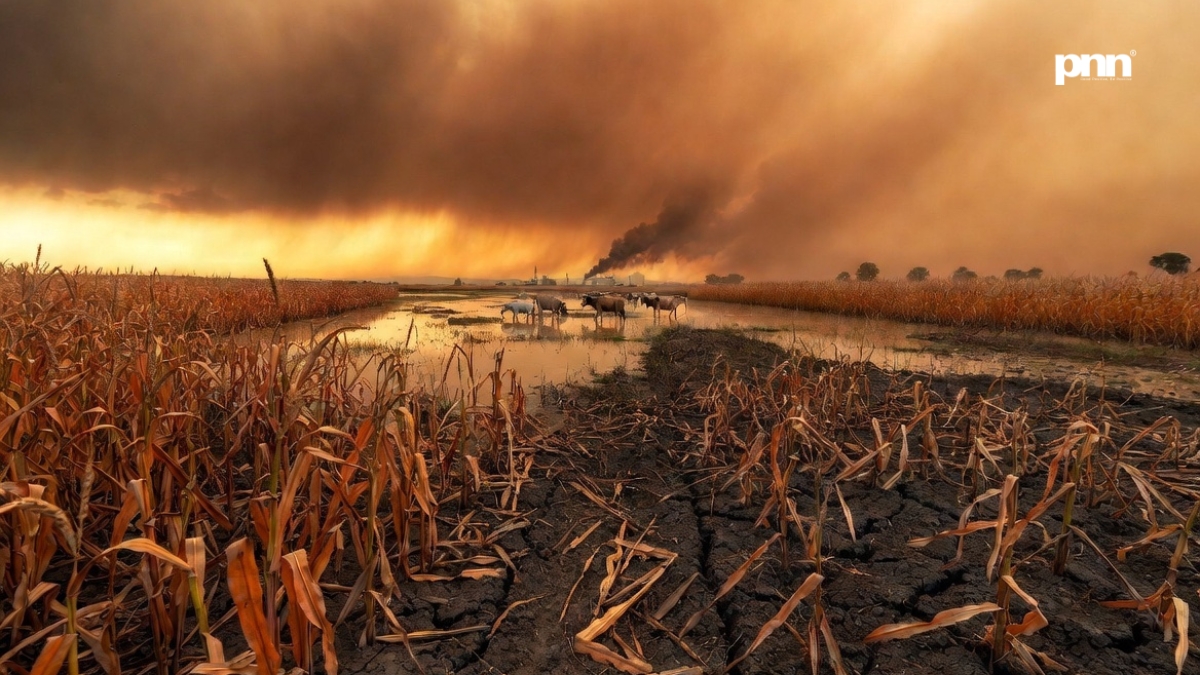
Food systems follow. Not collapse, not overnight. Just thinning margins. Lower yields. Price volatility that feels random until you trace it back to heat stress and disrupted growing cycles. Farmers know this already. They’ve been adjusting planting dates and switching varieties quietly, pragmatically, without speeches. That’s loss management. Nobody calls it that because it doesn’t sell hope.
Biodiversity loss gets framed as tragic, which it is, but tragedy implies a beginning and an end. This is attrition. Fewer insects. Fewer birds. Simplified ecosystems that still function, technically, but less resiliently. Things work until they don’t. Then the failures cascade. Pollination issues here. Pest outbreaks there. Another invisible subsidy from nature quietly withdrawn.
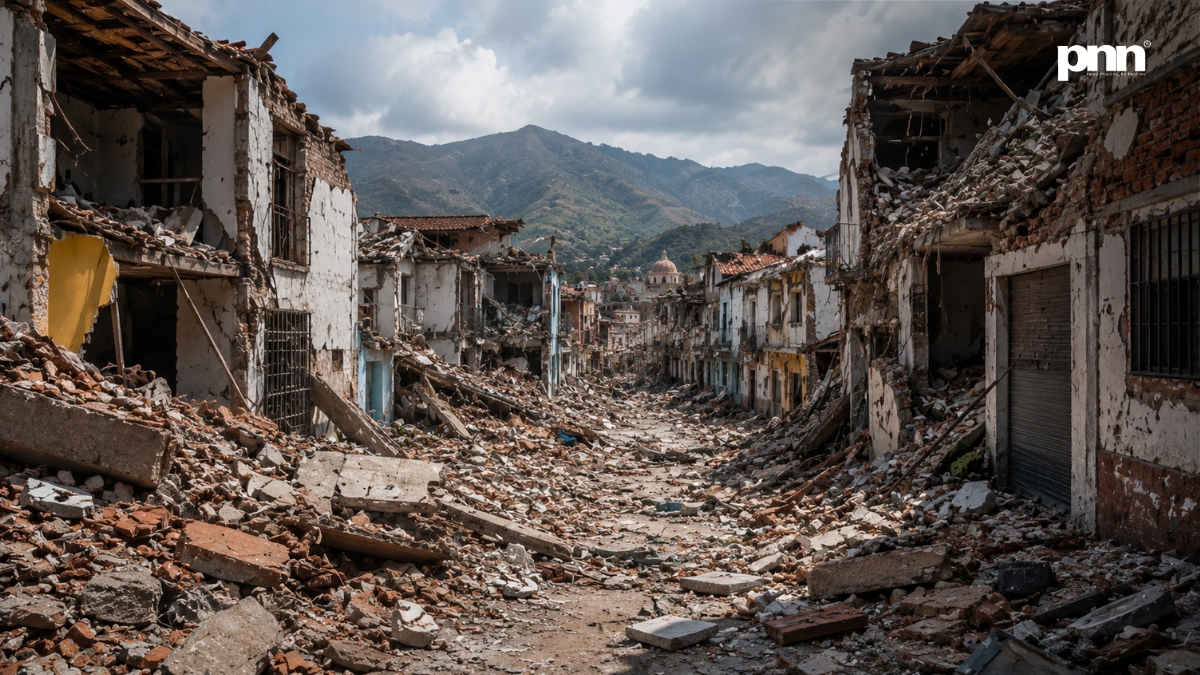
Human displacement is where the abstraction finally breaks. People don’t “relocate” because it’s trendy. They leave because the math stops working. Rebuilding every few years doesn’t pencil out. Insurance disappears. Wells go salty. Heat makes outdoor labour impossible for weeks at a time. Migration follows gradients of livability, not ideology. And it’s already reshaping politics in ways no one wants to fully acknowledge.
Managing loss means planning for this movement instead of acting shocked by it. It means cities are preparing to absorb people, not just repel water. It means admitting that some places will become harder to inhabit without massive, ongoing investment. And that some won’t get it.
There’s a moral discomfort here that never resolves. Who gets protected? Who adapts. Who pays. Who is remembered? Loss management isn’t fair. It’s negotiated under pressure, constrained by budgets, attention spans and power. That’s not cynicism. That’s observation.
The old climate story centred on prevention because it offered control. Change the inputs, save the outcome. That model is gone. We’re in the downstream phase now, dealing with accumulated decisions and delayed consequences. Emissions cuts still matter, obviously. They shape the slope of what’s coming. But they don’t erase what’s already locked in.
So the work shifts. From slogans to logistics. From promises to preparation. From “How do we stop this?” to “What do we lose, and how do we lose it without everything else collapsing too?”
It’s not inspiring. It doesn’t fit neatly on a banner. It requires long attention, uncomfortable honesty, and a willingness to accept that some damage is permanent. That certain versions of normal are gone for good.
The planet will keep spinning. Life will adapt, mutate, reassemble. The question isn’t survival in the abstract. It’s whose lives get harder, whose histories get submerged, and how much chaos we’re willing to tolerate by refusing to name loss for what it is.
That’s the phase we’re in. Whether we like the language or not.