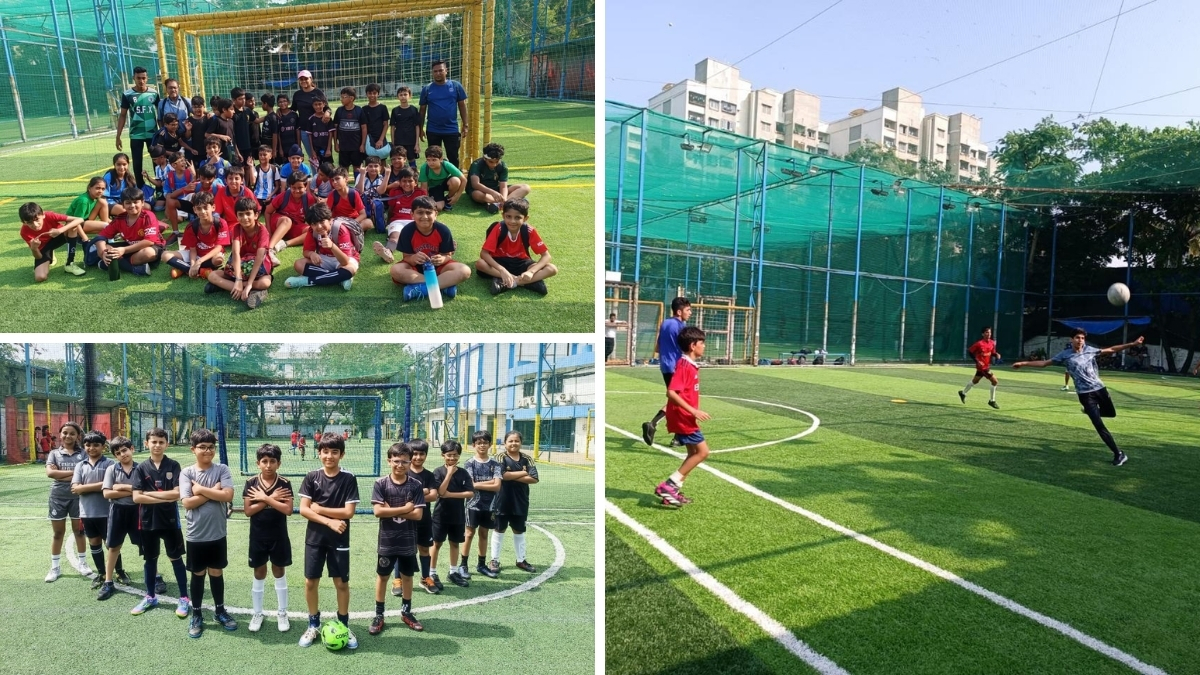


Mumbai (Maharashtra) [India], January 6: A school is best understood through what happens in its classrooms every day. How children are encouraged to ask questions, how teachers respond to differences in ability, and how learning changes as students grow older—these choices reveal far more than statements of intent. The Somaiya School has shaped its academic structure around this belief, ensuring that learning evolves steadily from early years through senior secondary, while remaining rooted in clarity, relevance, and care.
Across all grades, emphasis is placed on strong conceptual understanding, inquiry-led learning, and real-world readiness. Academic expectations remain high, but learning is never reduced to performance alone. Equal importance is given to thinking, reflection, and the ability to apply knowledge meaningfully.
Early Years and Primary Grades
Education in the early years focuses on building a positive relationship with learning. Teachers encourage curiosity, conversation, and exploration, allowing children to engage actively rather than follow instructions passively. At the Somaiya School, students are encouraged to ask questions freely, particularly questions that help them understand why things work the way they do.
Language learning forms a strong foundation during this stage. Students are introduced to three languages in pre-primary and expand to four languages in the primary years, including English, Hindi, Marathi, and Sanskrit. This multilingual exposure supports cognitive development, communication skills, and cultural awareness from an early age.
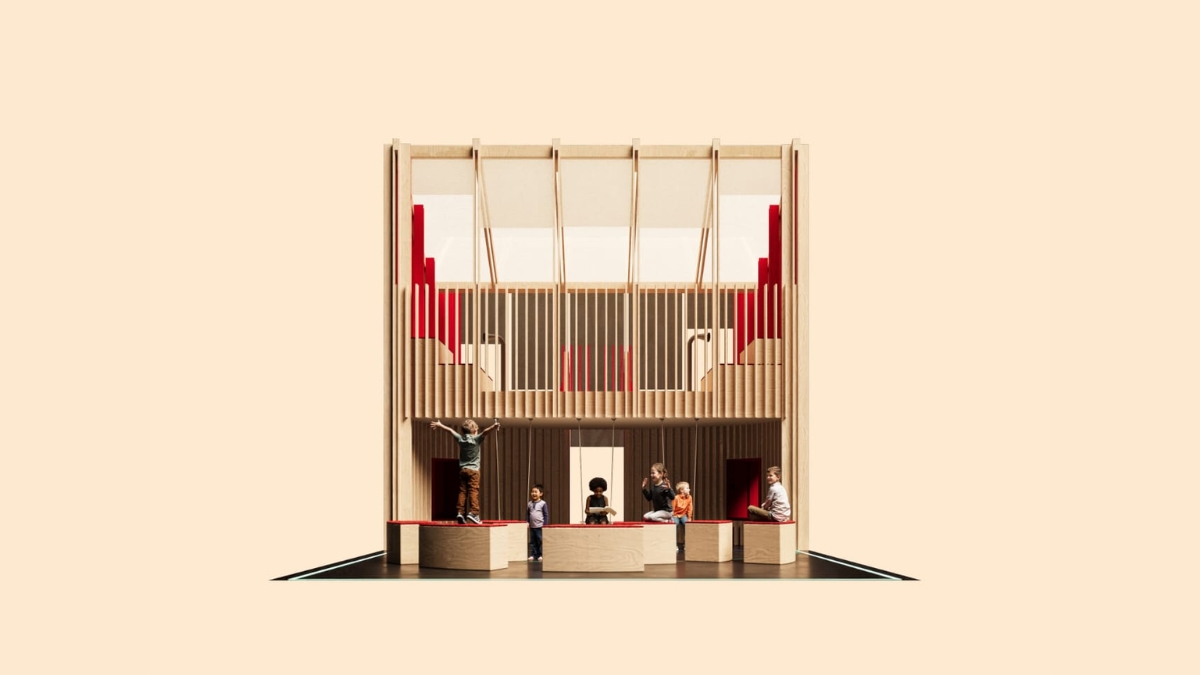
Learning experiences are designed to be hands-on and interconnected. Concepts introduced in one subject are reinforced through activities and discussions in another, helping children see relationships across disciplines. Design thinking is introduced through age-appropriate tasks, guiding students to observe, explore ideas, test solutions, and reflect on outcomes.
Class sizes are structured to support individual attention, with kindergarten classes limited to 22 students and primary classes capped at 30. This allows teachers to observe learning closely and respond to each child’s needs while encouraging independence and expression.
Middle School
Middle school represents a shift in depth and responsibility. Teaching during these years is anchored in concept-based learning, helping students understand the principles behind what they study rather than focusing only on information recall.
Classroom instruction is supported through hands-on projects and real-life applications that strengthen clarity and analytical thinking. At the Somaiya School, students are encouraged to apply concepts, explain their reasoning, and engage in discussion. Assessment focuses on understanding and application.
This stage also places emphasis on life skills. Students are guided to develop independence, adaptability, and self-awareness while learning to work within diverse groups. Reflection becomes part of the learning process, helping students recognise strengths, address challenges, and take responsibility for progress.
Technology is integrated thoughtfully to enhance learning. Digital tools are used to support exploration and understanding, while students are encouraged to engage with technology responsibly and purposefully.
Senior Secondary Grades
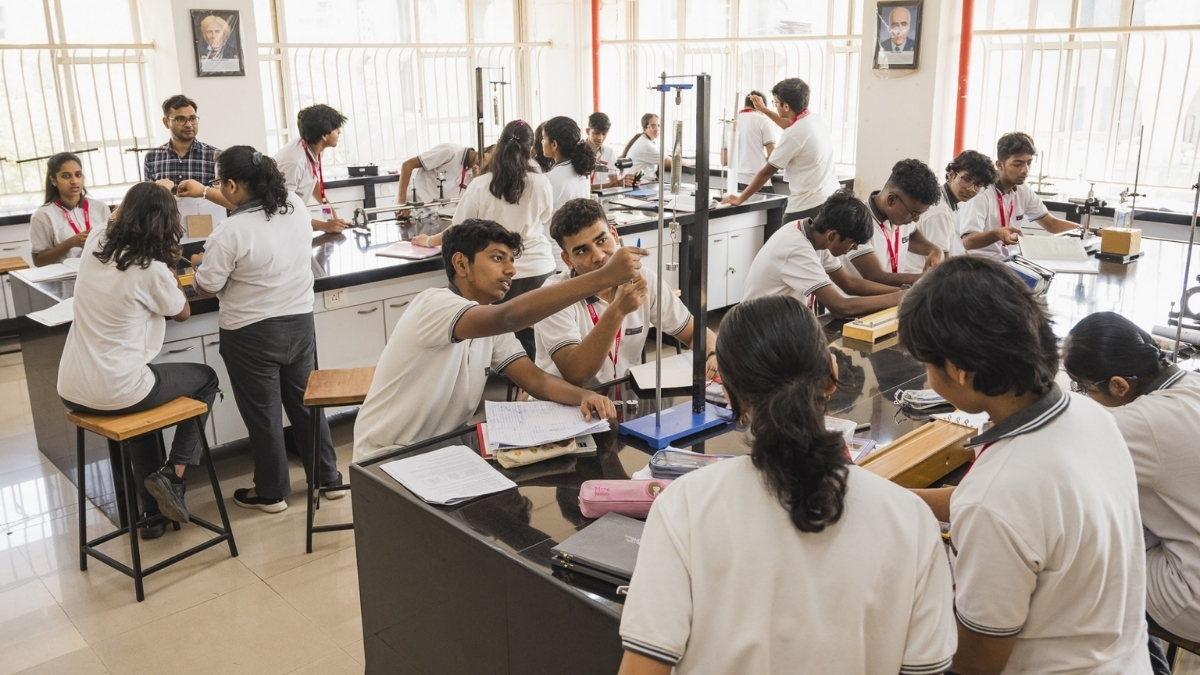
Senior secondary education brings increased academic choice and independence. Students are encouraged to explore subjects aligned with their interests while maintaining balance through sports, dance, and co-curricular activities that support physical and emotional well-being.
Students entering from different educational systems often arrive with varied levels of preparedness. Faculty members provide focused academic support through additional guidance and hands-on teaching, ensuring continuity without lowering expectations.
Concept-based learning continues to guide instruction, complemented by structured real-world exposure. Internships and industry visits form part of the learning experience, helping students understand how academic knowledge applies beyond school.
Crowdfunding projects integrated into the curriculum introduce students to planning, communication, accountability, and execution. These initiatives at the Somaiya School help learners develop initiative and practical understanding, preparing them for higher education and future professional environments.
Faculty, Relationships, and Leadership
Learning environments are shaped by strong teacher–student relationships. Teaching at The Somaiya School is built on a balance of respect, discipline, care, and approachability. This rapport allows students to feel supported while being challenged academically.
Under the leadership of Principal Mrs Jyothi Malhotra, education is approached as a shared learning process. With experience across primary, secondary, and senior secondary education, she emphasises empathy, reflection, and continuous learning. Teachers are encouraged to function as facilitators who adapt their approach to student needs rather than follow rigid methods.
Ongoing professional development ensures that educators remain responsive to new research, evolving curricula, and emerging tools. Learning extends beyond students to include teachers, creating a dynamic and reflective school community.
Learning as a Shared Responsibility
Student development is strengthened through active partnership with parents. Regular communication and shared understanding support consistency in learning and well-being. This collaboration allows children to feel supported both at school and at home.
Holistic development is embedded in everyday learning rather than treated as a separate goal. Academic growth, personal development, and real-world readiness are addressed together across all grades.
By the time students complete their schooling, they carry forward strong conceptual understanding, confidence in their abilities, and the skills required to continue learning independently. Education, in this sense, remains relevant, grounded, and closely connected to life beyond the classroom.
Ultimately, learning at The Somaiya School is defined not by isolated milestones, but by continuity and intent. Each stage builds carefully on the last, allowing students to grow in confidence, clarity, and capability over time. By combining conceptual rigour with reflection, real-world engagement, and strong relationships, the school creates an environment where learning remains purposeful and adaptive. Students leave not only with academic readiness, but with the ability to think independently, respond thoughtfully to change, and carry learning forward well beyond their school years.
If you have any objection to this article’s content, kindly contact [email protected] to notify us. We will respond and rectify the situation in the next 24 hours.