

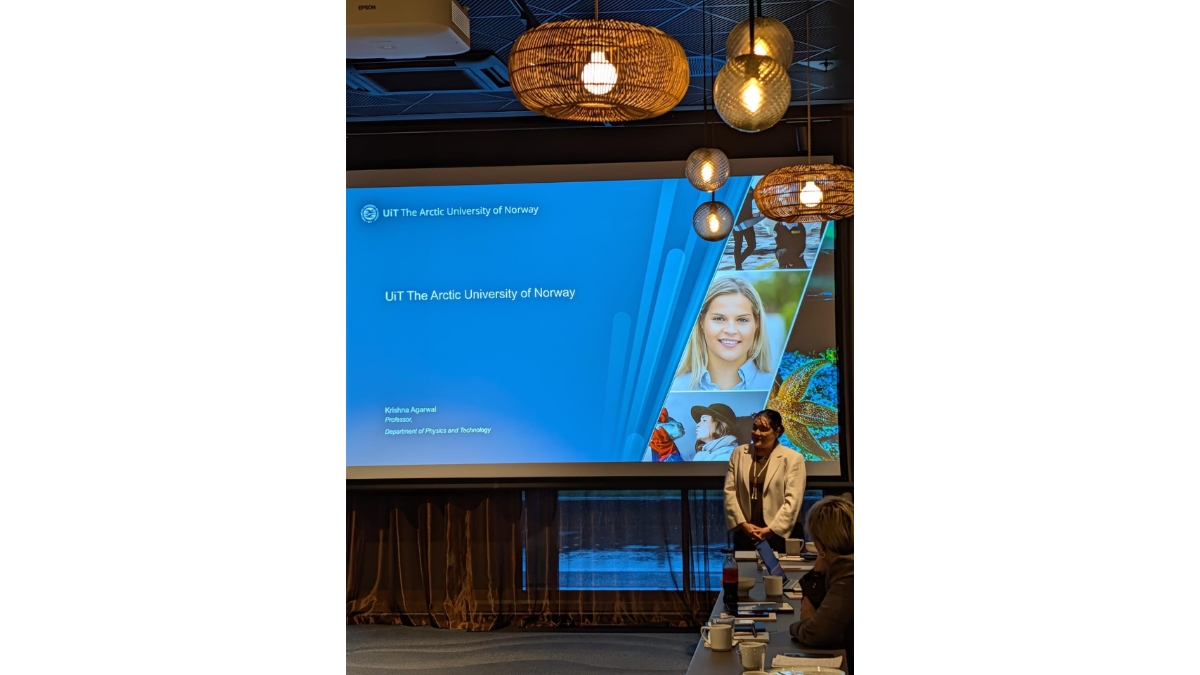
Tromsø [Norway], December 24: Prof. Krishna Agarwal, Founder & CEO of Spermotile and Professor at UiT The Arctic University of Norway, delivered an insightful presentation on cutting-edge Arctic medical technology to a visiting group of young Indian parliamentarians during a special knowledge-exchange programme organised by ProTromsø. The event drew participation from representatives of UN Women and the Royal Norwegian Embassy in New Delhi, underscoring the growing interest in cross-border collaboration.
The five-member Indian delegation included Mr Anup Sanjay Dhotre, Mr Putta Mahesh Kumar, Mr Sirgapoor Niranjan Reddy, Mr Gowaal Kagada Padavi and Ms Priya Saroj, currently India’s youngest MP. Their visit to Tromsø aimed to understand Norway’s globally respected approach to innovation in education, public health, small business development and governance rooted in trust and transparency.
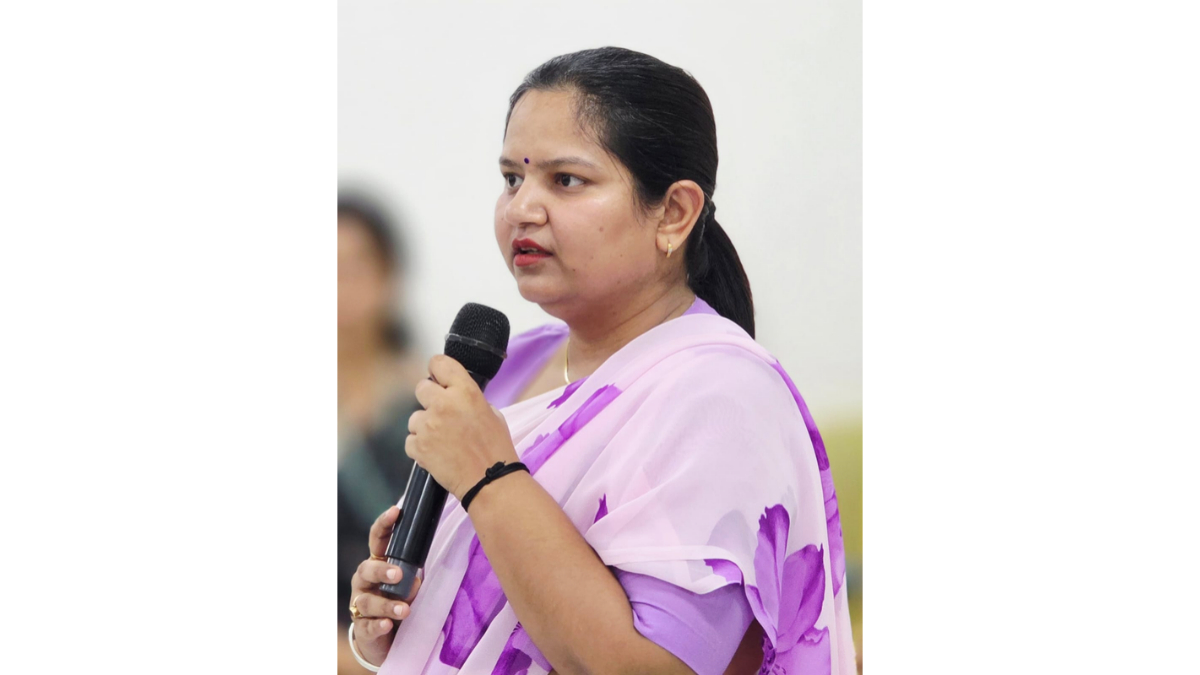
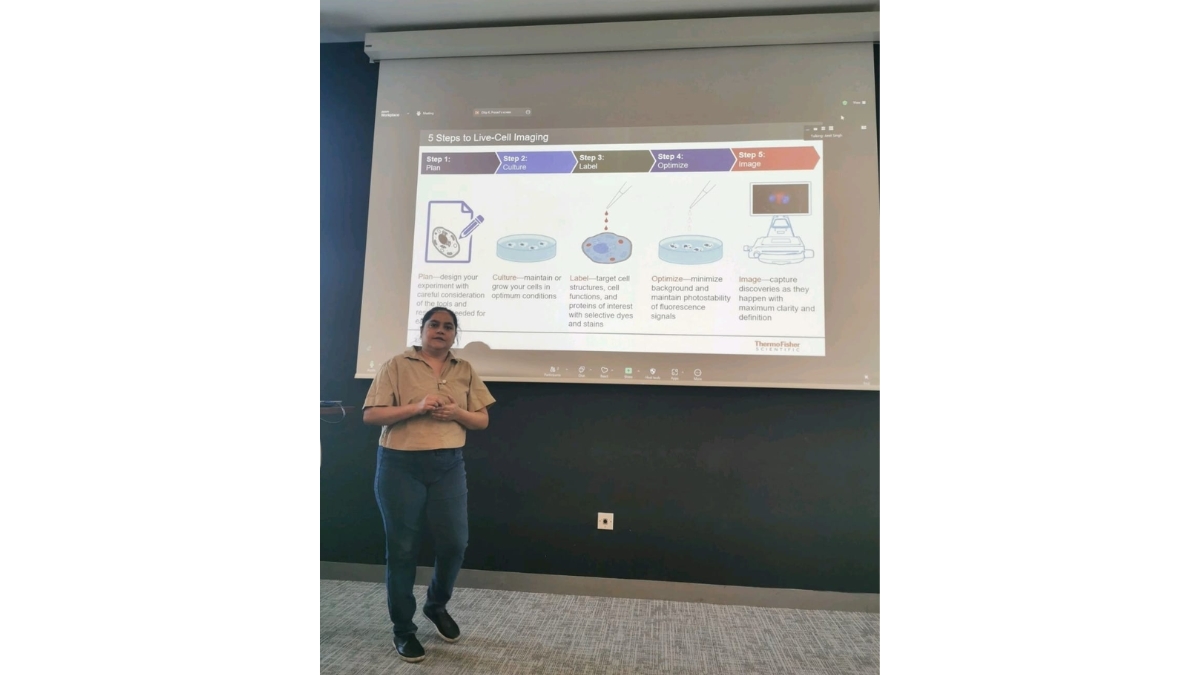
Prof. Agarwal introduced the delegation to UiT’s vibrant research and innovation culture and presented some of the most advanced developments emerging from her laboratory. Her acclaimed startup, Spermotile, drew particular attention. The device, powered by AI-based motion analysis and microfluidic engineering, offers a breakthrough in sperm selection for IVF and ICSI treatments. The MPs noted that such technology holds strong relevance for India’s rapidly growing and increasingly technology-driven fertility-care ecosystem.
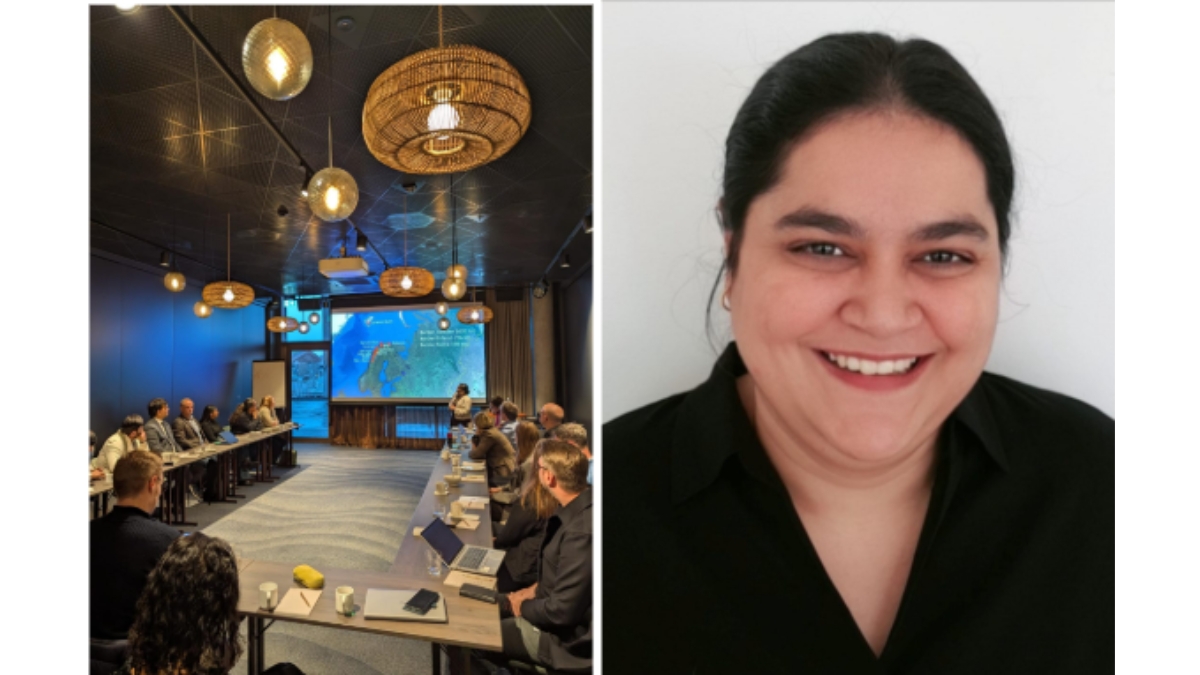
Sharing her academic journey, Prof. Agarwal described her beginnings at IIT (ISM) Dhanbad, where she received the Gold Medal, followed by her doctoral work at the National University of Singapore and her postdoctoral research at the Singapore-MIT Alliance. Today, she leads one of Norway’s most dynamic medtech research groups, comprising 20 multidisciplinary scientists and supported by more than €23 million in competitive grants from Norwegian and European funding agencies.
Her work has been recognised through several prestigious honours, including the Distinguished Alumnus Award from IIT (ISM) Dhanbad (2020), the Marie Skłodowska-Curie Fellowship (2017–2019), the AURORA Outstanding Fellow award from the Tromsø Research Foundation, the URSI Young Scientist Award (2011), the President’s Graduate Fellowship at NUS and multiple research scholarships. Before transitioning fully into academia, she served as a Scientist at the Defence Research and Development Organisation (DRDO) in India, where she contributed to advancements in active phased-array radar technologies.
The interaction in Tromsø marked a meaningful step in strengthening innovation ties between India and Norway. The MPs expressed admiration for Prof. Agarwal’s achievements and noted that her trajectory—from India and Singapore to the Arctic frontier—illustrates how supportive ecosystems can accelerate high-impact technologies. The session is expected to pave the way for expanded Indo-Norwegian cooperation in medtech research, capacity building and international innovation exchange.
If you have any objection to this press release content, kindly contact [email protected] to notify us. We will respond and rectify the situation in the next 24 hours.