





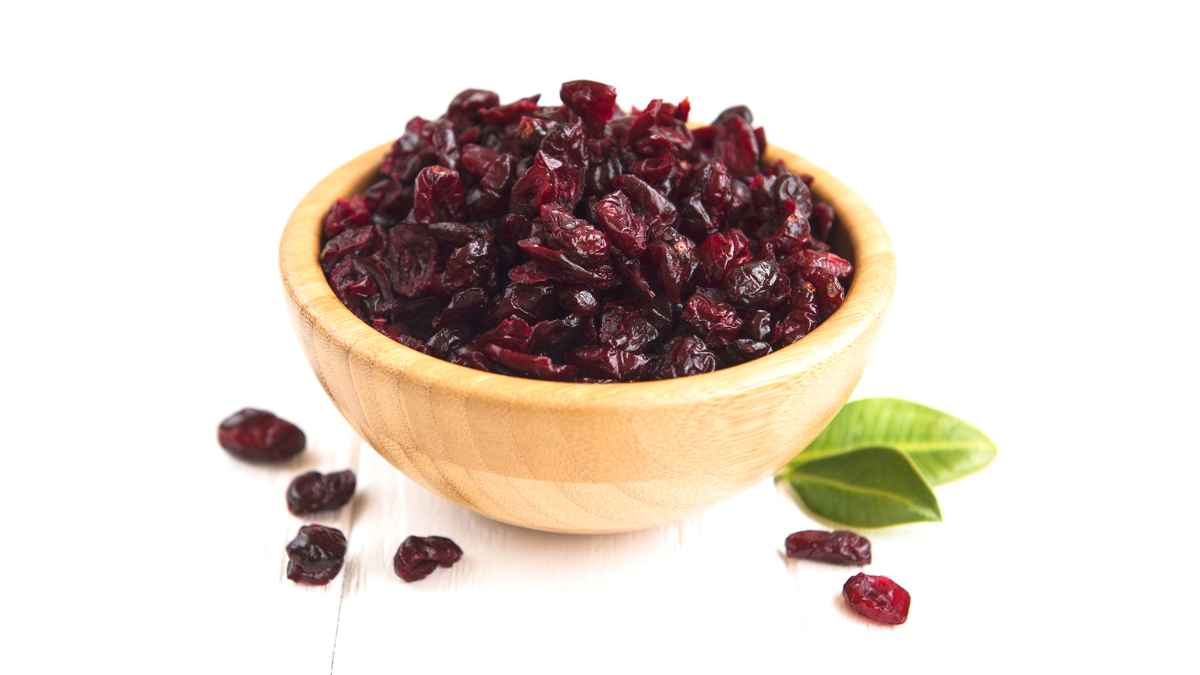
Once known for urinary health, cranberries are now being recognised for their quiet power to balance the microbiome, fortify digestion and reduce inflammation from the inside out.
New Delhi [India], November 17: Long celebrated for their role in urinary tract health, cranberries are now being recognised for another quiet superpower — supporting digestion and gut wellness. Research conducted by US Cranberries and The Cranberry Institute suggests that the fruit’s unique mix of polyphenols and fibre may help cultivate a more balanced and resilient gut ecosystem.
Cranberries are naturally rich in polyphenols, the plant compounds best known for their antioxidant capacity. Scientists have found that these compounds act almost like prebiotics, selectively fuelling beneficial bacteria while curbing the growth of harmful ones. This microbial fine-tuning encourages greater bacterial diversity, which in turn improves digestion and overall metabolic function.
The fruit’s fibre, too, plays a key role. When fermented by gut microbes, it produces short-chain fatty acids such as butyrate and acetate — the same molecules that help reduce inflammation, strengthen immunity, and maintain the gut’s delicate lining. This means cranberries don’t just feed the body; they help build the chemical language that keeps it in balance.
Interestingly, regular cranberry consumption has been linked to measurable shifts in bacterial ratios. Researchers have observed a rise in Bacteroidetes, a group associated with healthy metabolism, and a reduction in Firmicutes, which are often linked to obesity and sluggish digestion. It’s a subtle yet significant change that underscores how cranberries may improve gut efficiency without the need for drastic dietary overhauls.
There’s also evidence that cranberry compounds support the intestinal barrier — the microscopic wall that keeps pathogens and toxins from leaking into the bloodstream. A strong barrier reduces the risk of chronic inflammation, a silent trigger for diseases ranging from diabetes to heart conditions.
With hundreds of studies exploring their benefits, cranberries are steadily carving out their place as a natural ally in digestive health. Whether consumed as juice, dried fruit, or whole berries, they offer a quiet kind of nourishment — one that doesn’t shout for attention, but steadily builds the foundation for long-term wellness.
The next time you see a handful of US Cranberries, think beyond their festive hue. These tiny fruits may be quietly rewriting the rules of gut health, one fibre strand and polyphenol molecule at a time.
If you have any objection to this press release content, kindly contact [email protected] to notify us. We will respond and rectify the situation in the next 24 hours.