




New Delhi [India], November 13: The Centre just pulled off one of the biggest clean-up drives in the agriculture sector. The government’s fertiliser crackdown has crushed black marketing, shut down hoarders, and restored farmer trust; all before the Rabi season hits full swing.
The Operation That Shook the Market: Fertiliser Crackdown
In a joint move, the Department of Fertilisers (DoF) and the Department of Agriculture and Farmers’ Welfare (DA&FW) executed a nationwide operation to protect farmers and safeguard India’s fertiliser supply chain. This drive, rolled out between April and November 2025, was anything but symbolic.
Across the country, district authorities conducted 3,17,054 inspections and raids. The result: thousands of show-cause notices, cancelled licenses, and FIRs that sent a clear signal; India’s fertiliser market would no longer be a playground for profiteers.
Numbers That Speak Volumes
Let’s look at the hard data.
-
5,119 show-cause notices were issued for black marketing.
-
3,645 licenses were cancelled or suspended.
-
418 FIRs were filed under the Essential Commodities Act and the Fertiliser Control Order (FCO).
The anti-hoarding drive brought 667 notices, 202 license suspensions, and 37 FIRs. To stop diversion, authorities issued 2,991 notices, suspended 451 licenses, and registered 92 FIRs.
This wasn’t bureaucracy at work — it was enforcement in action.
State Powerhouses Lead the Way
Uttar Pradesh set the pace. The state launched 28,273 inspections, issued 1,957 show-cause notices, and suspended or cancelled 2,730 licenses, with 157 FIRs filed.
Maharashtra followed with an even larger sweep: 42,566 inspections and over 1,000 license cancellations tied to diversion. Rajasthan came in strong with 11,253 inspections, while Bihar carried out nearly 14,000 checks and 500-plus suspensions.
Other states like Haryana, Punjab, Odisha, Gujarat, and Chhattisgarh weren’t far behind. Each pushed coordinated teams, rapid testing, and legal measures to make sure fertilisers flowed to farmers, not middlemen.
This all-out state-led operation prevented artificial shortages and stopped the market from being manipulated at the expense of farmers.
Zero Tolerance for Sub-Standard Fertilisers
The crackdown wasn’t just about hoarding and black marketing; quality was front and centre. Authorities conducted 3,544 show-cause notices for sub-standard fertilisers, leading to 1,316 license suspensions or cancellations and 60 FIRs.
Routine sampling and testing ensured that only fertilisers meeting prescribed standards made it to the fields. Sub-standard supplies were rooted out before they could harm crop yields or farmer confidence.
Digital Eyes on the Supply Chain
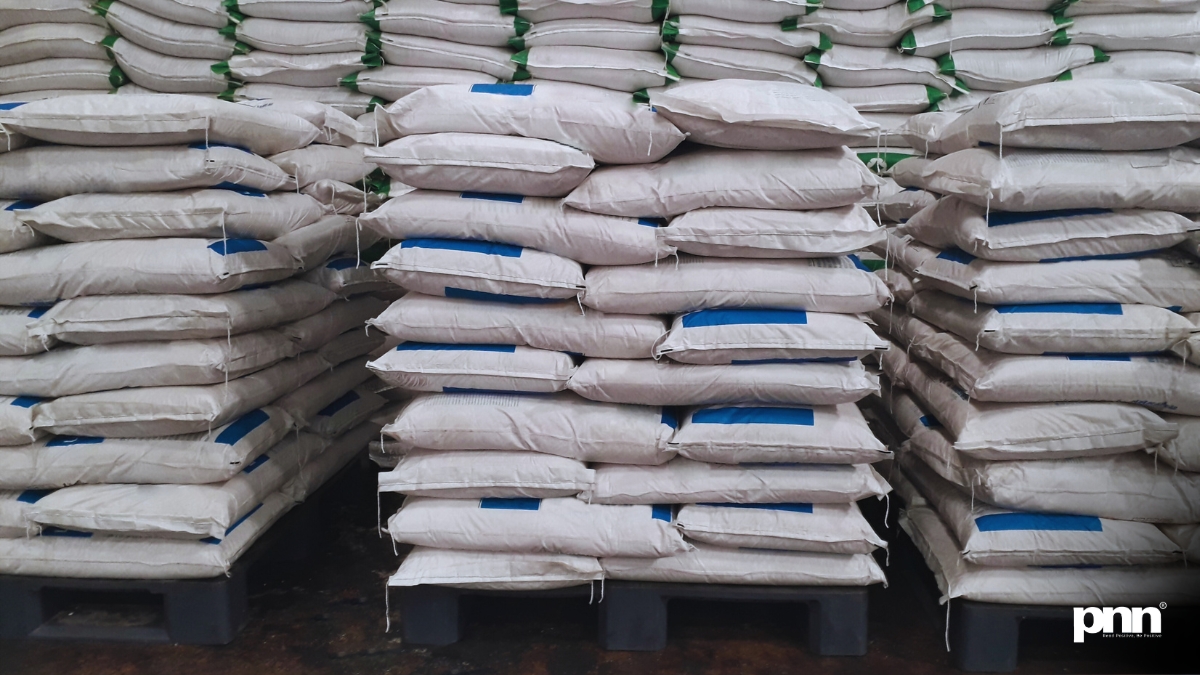
Technology played its part too. States used digital dashboards for real-time stock monitoring. Any suspicious movement triggered instant alerts. Seized or hoarded fertilisers were swiftly redirected to cooperative societies, ensuring they reached the right hands.
Complaints from farmers were handled with speed, transparency, and accountability; no red tape, no delay.
The Bigger Picture: Protecting the Indian Farmer
This campaign wasn’t just enforcement. It was reassurance; a message that the government stands with farmers, not middlemen.
The Department of Fertilisers praised the state and district administrations, agriculture officers, and law enforcement for their relentless ground work. Their vigilance ensured that fertiliser supplies remained smooth during the Kharif and Rabi seasons, the lifeline of Indian agriculture.
Farmers, dealers, and citizens have been urged to stay alert and report irregularities. Transparency and cooperation are now seen as part of India’s agricultural DNA.
A Model of Coordination and Accountability
This scale of action marks a turning point. Never before have state and central agencies worked this seamlessly to secure something as fundamental as fertiliser distribution.
The operation demonstrated that when digital tracking, strict enforcement, and transparent governance converge, corruption doesn’t stand a chance.