

Mumbai (Maharashtra) [India], November 8: There was a time when travel meant escape — postcards, souvenir magnets, a tan you’d brag about and forget in a week. Now? It’s a lifestyle statement, a personality trait, an aesthetic carefully curated for the algorithm. Somewhere between yoga retreats and digital nomad visas, Gen Z and Millennials have rewritten the grammar of travel.
For them, it isn’t “Where are you going?” but “Who are you becoming?” And while that sounds profound enough to caption an Instagram post, it’s also the world’s most lucrative identity crisis.
The New Religion of Roaming
If Boomers built homes, Millennials built Airbnbs. And Gen Z? They built lives inside airports.
A recent Booking.com 2025 Lifestyle Trends Report revealed that 72% of Indian Gen Z travellers view travel as “essential to mental wellness,” while 60% of Millennials claim they’d rather spend on experiences than property investments.
What was once an indulgence is now currency. To be “well-travelled” isn’t just social capital — it’s cultural validation. From Seoul’s back alleys to Bali’s silent beaches, this generation collects stamps like philosophers collect epiphanies — selectively, dramatically, and always with a ring light nearby.
Table: The Generational Travel Shift
| Generation | Travel Mindset | Typical Destination | Spending Range (₹) | Preferred Platform |
|---|---|---|---|---|
| Boomers | Leisure, relaxation | Shimla, Europe tours | 50,000–1,00,000 | Travel agents |
| Millennials | Experiences, self-growth | Bali, Prague, Coorg | 1–3 lakh | Airbnb, Booking.com |
| Gen Z | Identity, digital storytelling | Seoul, Kyoto, Tulum | 80,000–2 lakh | Instagram, TikTok, YouTube |
The Price of Freedom (and Filtered Sunsets)
Freedom, it turns out, is an expensive hobby.
The World Economic Forum’s 2025 Youth Spending Index notes a 40% surge in leisure travel spending among 22–35-year-olds post-pandemic. Ironically, many of these “freedom chasers” are still paying EMIs on their last trip.
Yet they justify it with vocabulary that sounds straight out of a lifestyle brand pitch — “investing in experiences,” “healing through motion,” “curating memories.”
In translation: they’re broke but emotionally enriched.
A solo trip to Vietnam costs ₹1.5 lakh now — flights, boutique stays, digital detox retreats, vegan café hopping. But it’s not about the expense. It’s about the aesthetic. Because what’s a healing journey without at least one melancholy photo by the window of a rain-drenched Airbnb?
The Digital Pilgrimage
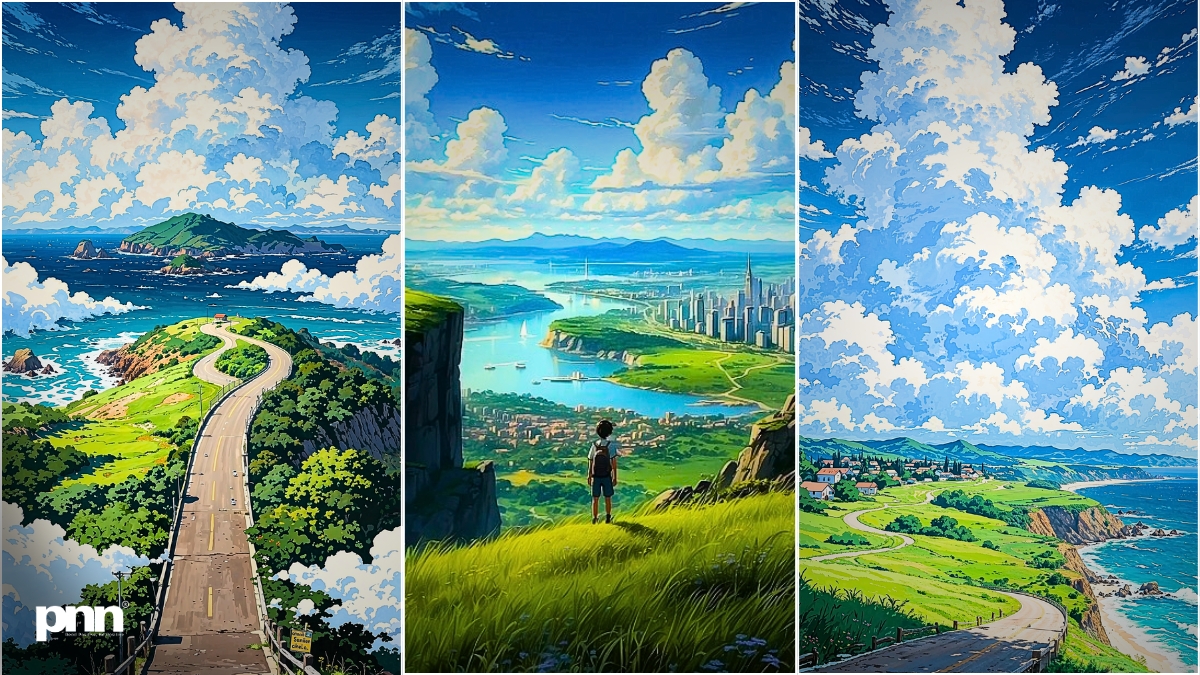
Unlike their predecessors, this generation doesn’t need travel agencies; they have algorithms.
A single viral reel from an influencer in Cappadocia can trigger a nationwide spike in Turkish bookings. #SoloTravelIndia has crossed 100 million views on Instagram, and travel vloggers are earning as much as ₹5–10 lakh per brand collaboration.
But there’s irony stitched into every filter.
Most Gen Z travellers claim to crave “authentic experiences,” yet spend half their trip staging them. There’s a difference between living a moment and filming it — a truth they seem determined to ignore, preferably with drone footage.
That said, the digital travel culture has democratized exploration. Small-town creators from Indore to Imphal are documenting their journeys with poetic grit — no sponsors, no filters, just wanderlust and a second-hand DSLR.
When Escapism Became a Profession
Millennials flirted with work-life balance. Gen Z deleted it.
They turned remote work into roam work. Digital nomadism, once a fringe fantasy, has become a structured economy. Nations like Portugal, Thailand, and Japan now offer specialized remote work visas for long-term stays, catering directly to the “laptop-in-a-latte-café” tribe.
According to Airbnb’s 2025 Future Stays Report, remote professionals staying 30+ days make up 23% of total bookings, up from just 8% in 2019. And the spending follows: the global digital nomad market is projected to hit $63 billion by 2026.
In India, Goa and Rishikesh are morphing into creative communes — half yoga, half startup — where work deadlines coexist with sound baths. As one designer confessed during a retreat in Assagao, “I came here to detox. Now I’m designing logos for a café that sells matcha and mala beads.”
The Good, the Bad, and the Overly Instagrammed
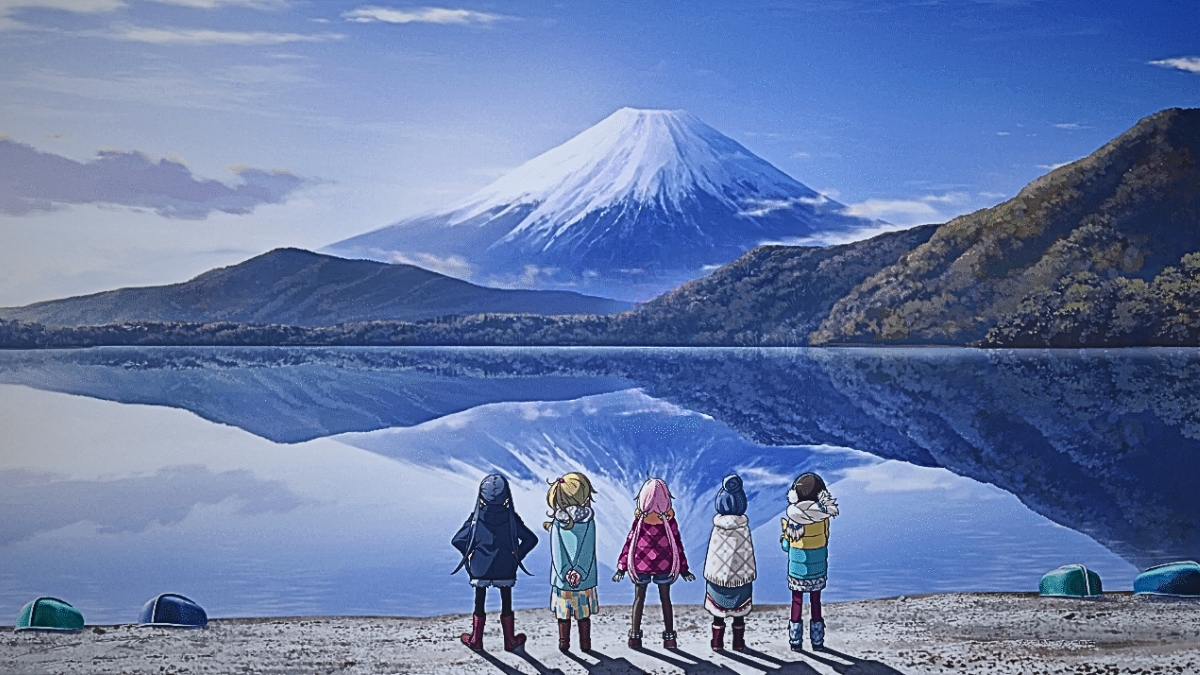
The good news? Travel has finally evolved beyond postcard clichés.
People are chasing cultural intimacy — cooking with locals, learning indigenous crafts, volunteering for environmental causes. The UNWTO 2025 Culture & Conscious Travel Report shows a 35% increase in “purpose-led trips” worldwide.
The bad news? That same purpose is often romanticized to death.
Cultural authenticity is now sold as a commodity. Spiritual retreats in the Himalayas charge upwards of ₹2 lakh for what used to be free silence. “Mindful tourism” is the new “eco-friendly plastic straw” — noble in theory, profitable in practice.
And as travel booms, so does burnout. Studies show post-travel fatigue is on the rise, particularly among content creators chasing constant novelty. When every destination is content, peace becomes… well, unpostable.
Reality Check: The Hidden Bill Behind Wanderlust
Here’s a sobering truth — travel is no longer about going away; it’s about being seen going away.
Between influencer economies and bucket-list capitalism, even leisure feels like labor. And the cost is more than money — it’s environmental too. The International Air Transport Association warns that Gen Z’s hypermobility could add 6% more carbon emissions by 2027 if left unchecked.
But not all is vanity. A countertrend is rising quietly — “Slow Travel.”
Think month-long stays, local commutes, minimal itineraries. The goal? Less footprint, more depth. It’s a lifestyle that values stories over selfies — proof that some still travel to remember, not to perform.
Pointers: Why Travel Became the New Identity Card
-
Global Consciousness: Gen Z sees travel as moral education, not mere movement.
-
Experience Economy: 68% of young Indians prefer trips over gadgets.
-
Social Capital: Your passport stamps now rival your résumé.
-
Spiritual Rebranding: Wellness tourism in India grew 20% YoY.
-
Accessibility Paradox: Travel’s democratization has inflated costs — and expectations.
The Grand Irony of Arrival
Maybe that’s the most poetic tragedy of this age — we travel the world to find ourselves, only to discover we’ve been following Google Maps the entire time.
Still, it’s hard not to admire the audacity.
Gen Z and Millennials have done what no generation before them dared — turned wandering into a full-time ideology. In their defense, at least they’re chasing sunsets, not stock markets.
And perhaps that’s the quiet revolution of our era: a generation that sees airports as cathedrals and passports as prayer books. Whether that’s enlightenment or escapism — only the next flight can tell.