




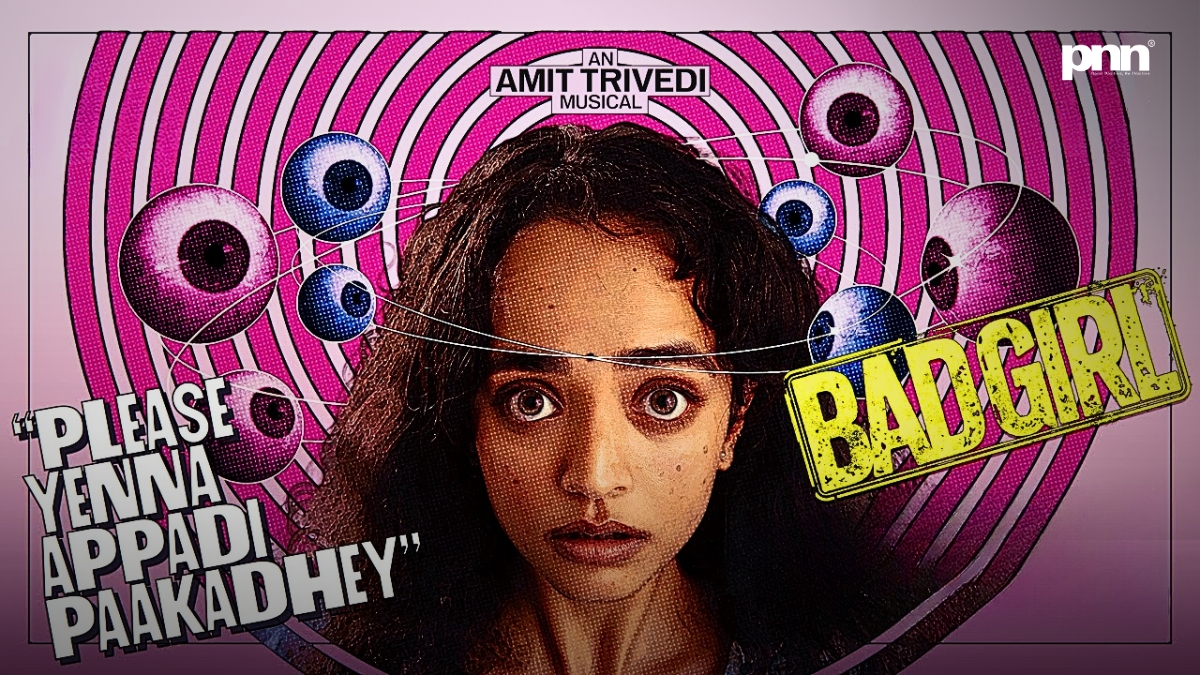
Mumbai (Maharashtra) [India], November 4: It’s rare for a film to make you both uncomfortable and curious at once. Bad Girl, now streaming on Netflix, does exactly that. Directed by Vetrimaaran — the master of quiet chaos — and produced by Anurag Kashyap, the film walks the tightrope between rebellion and reflection, refusing to neatly fit into any one genre. It’s a coming-of-age story, yes, but it’s also a social mirror held up to an audience that’s often too distracted to look into it.
At first glance, Bad Girl feels deceptively simple. A young woman (played by the strikingly composed Anjali Sivaraman) tries to find herself amid the noise of moral expectations, fractured friendships, and half-spoken truths. The premise isn’t groundbreaking — but the tone is. The film moves with a languid rhythm, where silences sting harder than dialogue, and glances speak entire paragraphs.
If Vetrimaaran is the surgeon of realism, Kashyap here plays the philosopher of mess. The movie feels like their creative intersection — where Aadukalam meets Dev D, stitched together by the thread of discomfort. The film doesn’t shout to be understood; it lingers, waits, and lets unease simmer. That, in itself, is a rebellion.
A Slow Burn in a Fast-Scrolling World
The movie’s release on OTT this week has been met with cautious excitement. Viewers, ever hungry for fast content, may find Bad Girl’s stillness both refreshing and jarring. It’s a slow burn in an era of ten-second attention spans — a film that expects you to listen instead of scroll.
According to insiders, the production budget hovered around a modest mid-tier range, but the visual composition and emotional depth stretch far beyond it. It’s not extravagant cinema; it’s introspective cinema that wears simplicity as armor.
Yet, there’s no denying that Bad Girl isn’t for everyone. Some early viewers found the pacing indulgent and the moral ambiguity frustrating. There’s a point in the second act where even the most patient audience may wonder if the narrative has started circling itself. But perhaps that’s the point — the film, much like its protagonist, is not chasing resolution. It’s chasing awareness.
Anjali Sivaraman: The Quiet Storm at the Centre
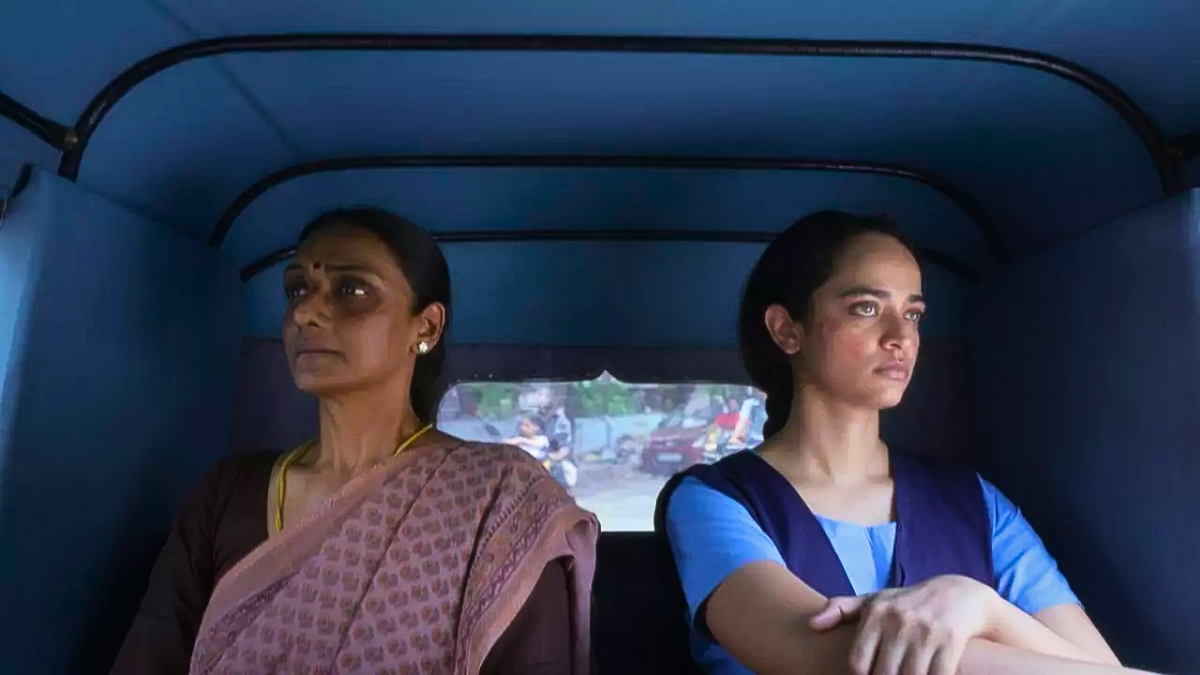
Anjali Sivaraman’s performance is the film’s emotional anchor. Her portrayal of confusion — that quiet kind, not the theatrical one — makes the story believable. She doesn’t “act” the part; she inhabits it. You can see her character’s defiance in the way she breathes, not just in what she says. It’s the kind of subtle performance that goes unnoticed in mainstream awards but stays etched in the viewer’s subconscious.
Vetrimaaran, in contrast, uses direction like calligraphy — deliberate, precise, almost meditative. His frames aren’t cluttered; his storytelling isn’t loud. Even when he borrows from Kashyap’s playbook of moral greys, he adds discipline to the madness. Together, they build a world that’s raw yet restrained, rebellious yet dignified.
The cinematography, subdued yet layered, uses natural light as a character of its own. You don’t just watch the film; you absorb it. The muted color palette — part melancholy, part metaphor — feels like the emotional weather of the protagonist’s mind. It’s a reminder that not every story of rebellion needs fireworks. Sometimes, silence is the loudest protest.
A Quiet Triumph in the OTT Jungle
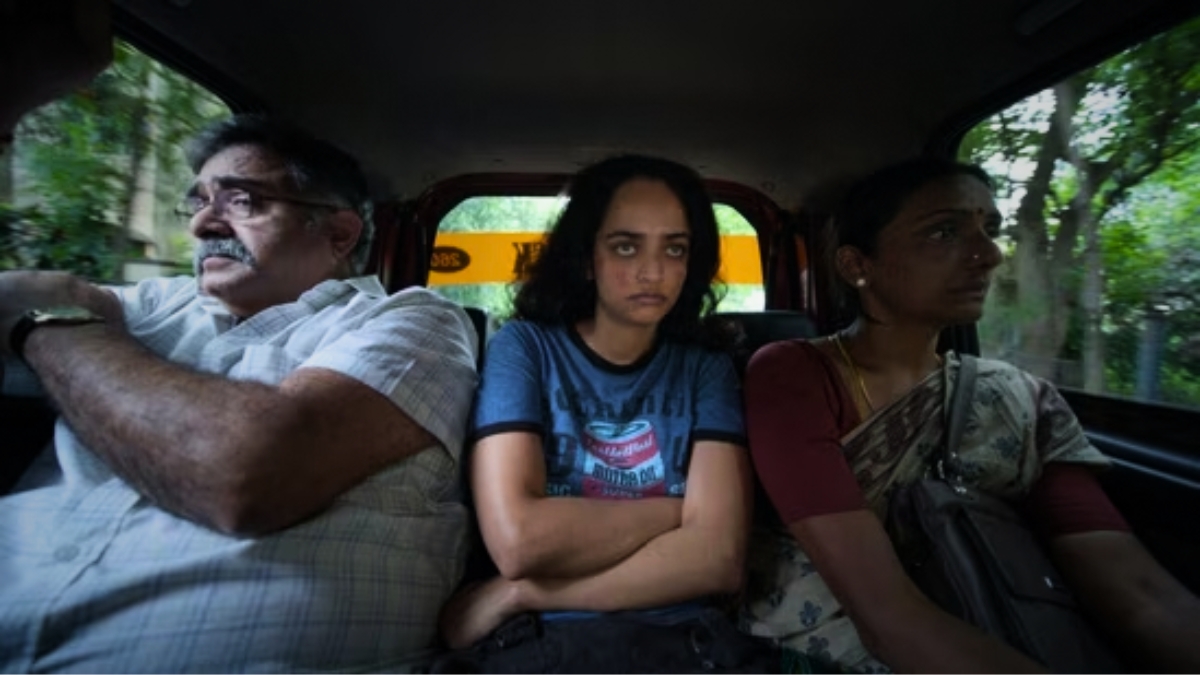
Streaming platforms like Netflix have recently become sanctuaries for such mid-budget, emotionally rich experiments. In a landscape dominated by genre thrillers and fast-paced crime dramas, films like Bad Girl feel like quiet insurgents. They don’t trend for their shock value; they survive on whispers and word-of-mouth.
Over the past year, several Indian and international OTT titles (Kohrra, Pippa, Jaane Jaan, Trial by Fire) have proven that nuanced storytelling can still find loyal viewership. Bad Girl fits comfortably in that lineage — the kind of film that critics appreciate on a second viewing and audiences defend long after they’ve forgotten its flaws.
Social media, predictably, has split its verdict. Some users called it “a poetic rebellion against the good-girl narrative,” while others dismissed it as “slow, indulgent, and vaguely confused.” Even Kashyap’s loyal fanbase appears divided — some claiming it’s his most restrained production in years, others wishing it carried more of his trademark chaos. And yet, love it or loathe it, nobody’s ignoring it.
Anurag Kashyap’s Philosophy of Discomfort
In recent interviews, Kashyap described Bad Girl as “a film that asks uncomfortable questions rather than offering comforting answers.” That, perhaps, sums up the experience best. It’s less about plot, more about presence; less about right or wrong, more about what lies in between.
And in the OTT jungle, where viewership numbers often outweigh artistic merit, Bad Girl’s existence feels like a small, stubborn victory. A reminder that not all cinema must be glossy or conclusive. Some films exist to make you sit with your own discomfort — and maybe, that’s what true storytelling is meant to do.
The Verdict: A Film That Whispers, Not Shouts
Whether Bad Girl becomes a streaming hit or remains an underrated gem is something time will tell. For now, it stands as a quietly confident piece of filmmaking that doesn’t pander, doesn’t apologise, and certainly doesn’t conform. It’s the cinematic equivalent of a whispered rebellion — you might miss it if you’re not paying attention, but once you do, it stays with you.
In an age where “content” is consumed faster than it’s made, Bad Girl reminds us that cinema still has the power to pause us mid-scroll. And perhaps that’s its real triumph.
So, over to you — when was the last time you discovered a film that didn’t shout for your attention but still wouldn’t leave your mind? Tell us your most underrated finds — the ones that refused to fit in, and in doing so, became unforgettable.