





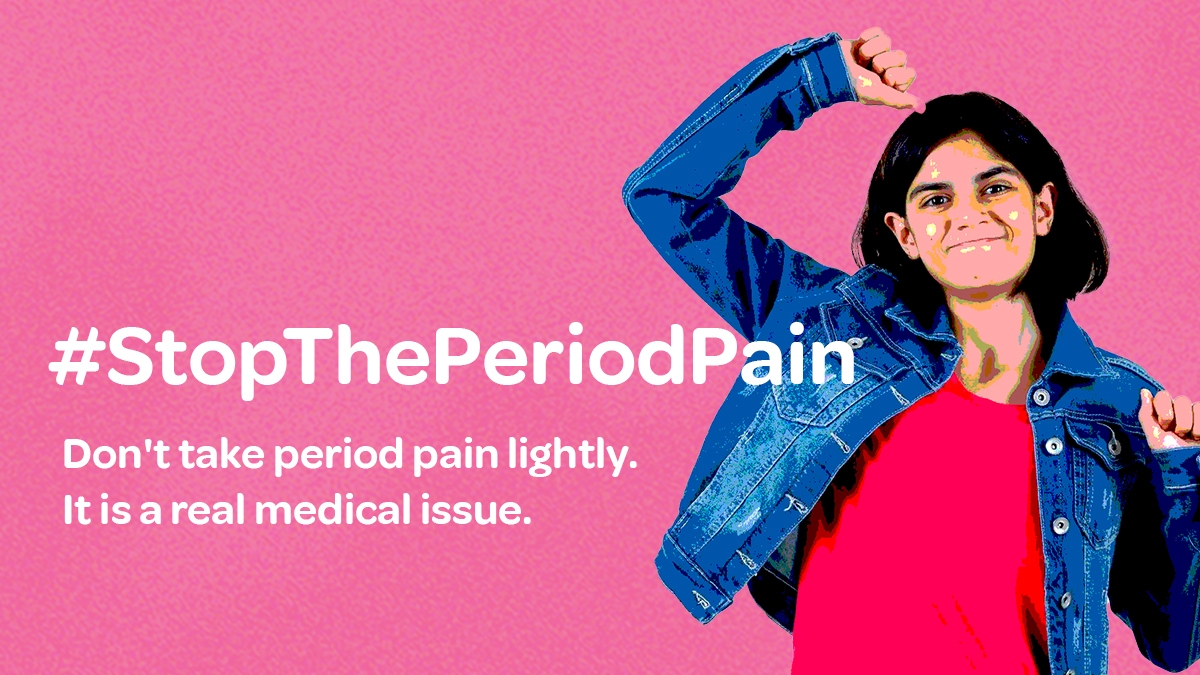
#StopThePeriodPain – Don’t take period pain lightly. It is a real medical issue.
New Delhi [India], November 3: In 2020, a single word changed how we looked at health forever: pandemic. COVID-19 became the defining moment of our generation — the first time most of us witnessed a global health crisis unfold in real time. We watched cities lock down, hospitals overflow, and humanity unite to fight an invisible threat. The world’s collective focus was on survival, and we learned how powerful awareness and action could be when everyone comes together for a cause.
But while we’ve been fighting visible pandemics like COVID-19 — and even tackling chronic diseases such as diabetes, hypertension, and heart ailments through national awareness drives — there’s another silent health crisis that has quietly affected millions of women for decades. One that rarely makes headlines, is barely discussed, and has never been treated like the public health issue it truly is.
That crisis is Dysmenorrhea, or what most people simply call period pain.
“Dysmenorrhea, or period pain, affects an estimated 80% of Indian girls and women,”
explains Dr Prabhu Kasture, Director, Medical Services & Pharmacovigilance at Blue Cross Laboratories.
“It is, without a doubt, India’s biggest gynaecological problem. Yet, there have been no national campaigns, no government programs, no large-scale education drives to address it. Because somewhere along the way, menstrual pain stopped being viewed as a health issue. It was normalized — brushed aside with a single dismissive line: ‘It’s just part of being a woman.’”
This cultural conditioning is what the “Stop The Period Pain” campaign aims to change.
We’ve seen campaigns that have made great strides in menstrual hygiene awareness — promoting the use of sanitary napkins and improving access to basic hygiene products.
But #StopThePeriodPain is a step beyond hygiene. It’s the first campaign in India that directly addresses the root cause — the pain itself.
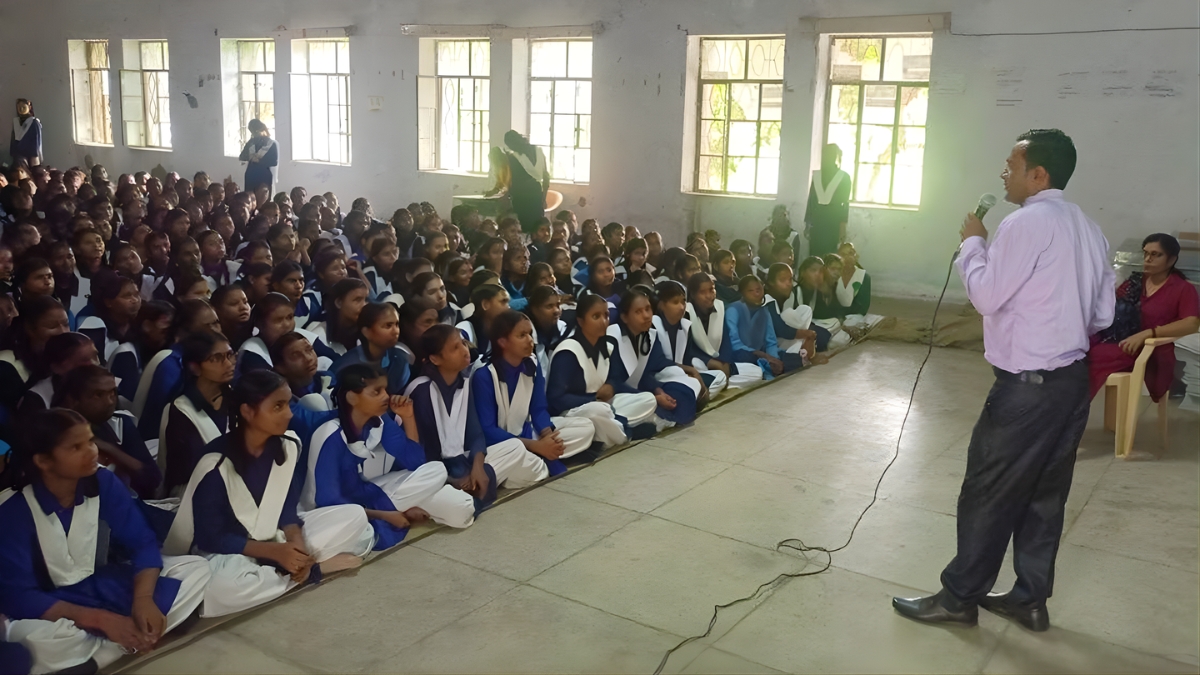
Ashish Shirsat, Sr. Executive Director, Blue Cross Laboratories, explains it perfectly:
“‘Period pain to sabko hota hai’ — this one sentence has normalized menstrual pain for generations. It has placed every kind of pain, from mild discomfort to debilitating cramps, into one bucket. But not all pain is normal. Some of it signals deeper health issues — and ignoring it can have lifelong consequences.”
This normalization has created a dangerous silence around menstrual health.
Girls miss school. Women skip work. Yet most accept this suffering as something they “just have to deal with.”
Pachanan Routray, Sr. Marketing Director, Blue Cross Laboratories, adds:
“We have massive gynaecological problems in India — 80% of girls experience dysmenorrhea. Many of them live with conditions like endometriosis, adenomyosis, or uterine fibroids — all forms of secondary dysmenorrhea — but they go undiagnosed for years because we’ve been taught that period pain is normal. That mindset must change.”
That’s the heart of the message — excessive period pain is not normal.
As the campaign says: “Isko halke mein mat lo.”
The Stop The Period Pain website goes beyond just tools. It’s a complete ecosystem for education and empowerment — featuring personal stories, expert advice, FAQs, and science-backed insights into period pain. It acts as a single, comprehensive guide for girls and women who’ve long suffered in silence, unsure where to turn or what their pain really means.
The message is simple yet powerful: This is not a small problem. Period pain — or dysmenorrhea — is a silent pandemic that affects millions of Indian women and girls, disrupting their education, careers, and quality of life.
Just as the world came together to fight COVID-19, it’s time to unite against this invisible yet deeply personal health crisis — through awareness, education, and empathy.
“Stop The Period Pain” is more than a campaign.
It’s a movement to change how India talks about women’s health — one conversation, one video, one click at a time.
About Blue Cross Laboratories
Founded in 1980 by Chairman Mr. N.H. Israni, Blue Cross Laboratories is one of India’s leading research-based, fast-growing pharmaceutical companies. It provides world-class quality and affordable healthcare products to people across the globe with the aim of improving human life.