




Surat (Gujarat) [India], October 16: Surat-based industrialist Piyush Desai is flipping the script on social responsibility, pledging financial support for 21,000 girls under his bold “Hiraba no Khamkar” initiative.
A Campaign That Means Business… and Heart
When most entrepreneurs are busy chasing profits, Piyush Desai decided to invest in the nation’s future, literally. The 30-year-old industrialist, whose empire spans textiles, real estate, construction, and finance in Surat, launched Hiraba no Khamkar to mark Prime Minister Narendra Modi’s 75th birthday. The campaign honors PM Modi’s late mother, Hiraba, and channels serious resources into girls’ education.
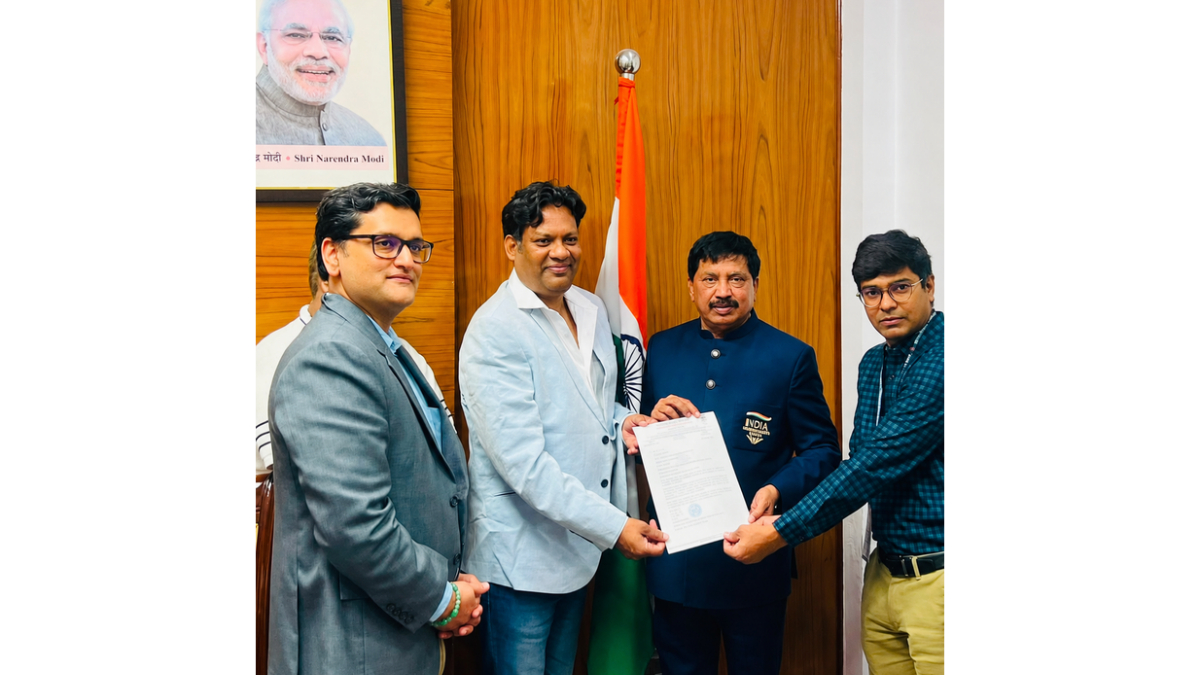
Desai is pledging Rs. 7,500 each to 21,000 girls from economically disadvantaged families, covering school fees and essential educational expenses. So far, 251 girls have received assistance in the first phase. Another 151 will benefit on Dhanteras.
“Educating a girl is the first step toward societal progress,” Desai said. “When a girl is empowered, her family and ultimately, the nation become stronger.” That’s not just fluff. It’s backed by evidence, educated girls are statistically more likely to break poverty cycles, improve health outcomes, and contribute economically.
Launch With a Stamp of Authority
Union Jal Shakti Minister CR Patil inaugurated the campaign, giving it political weight alongside social impact. The optics are smart: a young industrialist with big ambition, the government’s nod, and a clear mission to change lives.
It’s rare to see philanthropy this targeted and immediate. Most initiatives are vague promises; Hiraba no Khamkar is numbers-driven. Rs. 7,500 might not sound earth-shattering individually, but multiply that by 21,000 girls, and you’re looking at an investment of nearly Rs. 15.75 crore into education. And it’s not charity, it’s a strategic societal upliftment.
Who is Piyush Desai?
If you’re thinking, “Who is this guy?” here’s the lowdown. Born on April 21, 1993, in Nanota village, Banaskantha district, Desai has carved a name in Surat’s industrial landscape before hitting 30. His story reads like a blueprint for ambitious entrepreneurs: humble beginnings, diversified ventures, and a sense of responsibility most people reserve for later in life.
Hiraba no Khamkar reflects Desai’s personal philosophy: real success is measured in what you give back. He’s proving that doing well and doing good aren’t mutually exclusive. The campaign also serves as a blueprint for other industrialists: scale, strategy, and heart can coexist.
Why Girls’ Education is a Game-Changer
India still faces huge gaps in girls’ education. While enrollment has improved, dropout rates and financial barriers remain high. A single Rs. 7,500 assistance can cover tuition, books, uniforms, or tutoring for a full academic year. Multiply that impact across 21,000 girls, and you’re not just funding education, you’re building future leaders, innovators, and changemakers.
By focusing on girls, Hiraba no Khamkar tackles social inequality head-on. Educated women boost GDP, reduce child mortality, and create more stable communities. It’s a small investment for a massive return, and Desai is clearly thinking long game, not quick headlines.
A Model for Young Entrepreneurs
The campaign also sets a tone for India’s youth and aspiring business leaders. Social responsibility can no longer be a side hustle. Entrepreneurs who genuinely invest in societal progress will define the next decade. Desai’s campaign may be small in media noise but huge in substance, an example that actions, not statements, shape legacy.
Looking Ahead
Hiraba no Khamkar is still in its infancy. With 20,598 girls left to receive support, the campaign has runway for expansion. Timing assistance with festivals like Dhanteras adds cultural resonance. It’s philanthropy with strategy, heart, and local impact, sharp, effective, and unapologetically Indian.
If Surat sets the bar, other cities better take notes. This is a blueprint of how business can blend with social good, and how young Indians can play offense in nation-building.