


New Delhi [India], July 22: As Prime Minister Narendra Modi lands in London for a high-stakes diplomatic visit this week, all eyes are on one document: the India UK FTA.
Touted as a transformative leap in bilateral ties, this long-negotiated pact arrives at a moment when the global trading order is in flux.
For India, it’s more than just an economic instrument – it’s a litmus test of how confidently New Delhi can chart its course through shifting international headwinds.
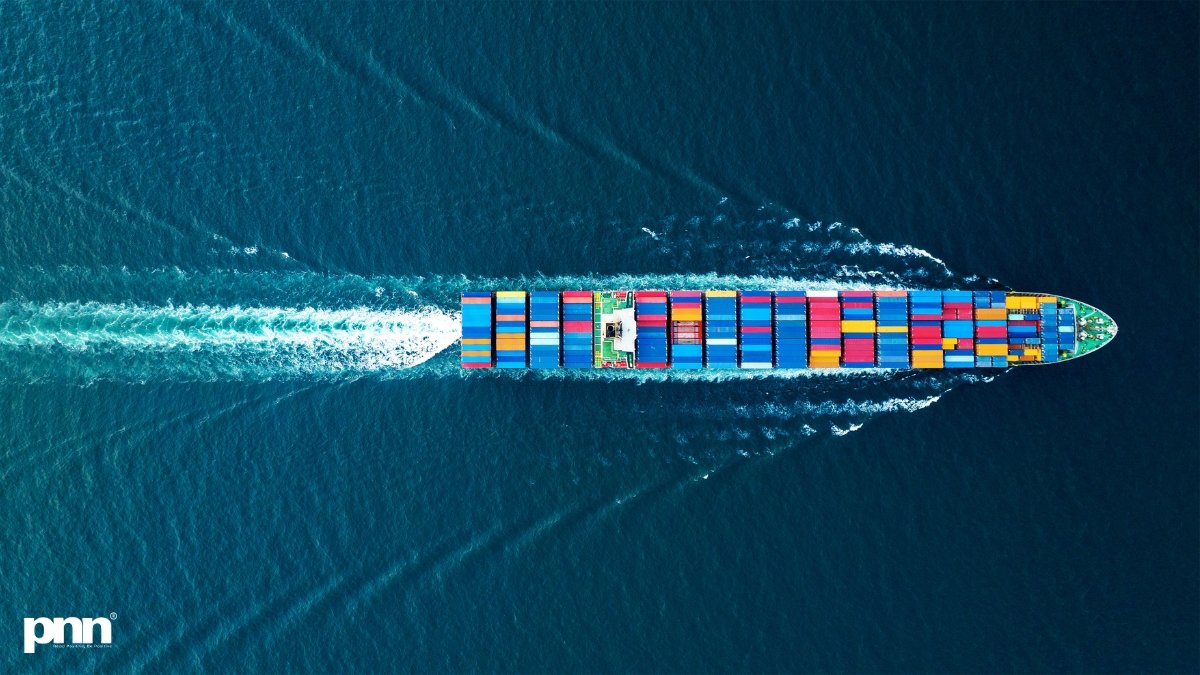
The India-UK Free Trade Agreement Deal proposes to lift nearly all tariffs on Indian goods entering the British market. For exporters back home, this is a windfall. From leather and textiles to auto parts, gems, and marine produce, a broad sweep of sectors stands to gain new traction in one of the world’s most sophisticated consumer economies.
01 Lifting the Lid on Tariffs
Roughly 99 % of Indian exports will now face zero tariffs in the UK. That’s a striking change for small manufacturers in places like Ludhiana, Surat, and Tiruppur, where international competitiveness often hinges on a few percentage points. Engineering goods and organic chemicals are among the biggest winners.
British negotiators also made concessions. In return, India agreed to cut or eliminate duties on 90% of its imports, including Scotch whisky and premium food products. Import duties on whisky, which stood at 150%, will fall in stages to 40% over a decade.
However, the most delicate move involves automotive tariffs. Under the deal, India will reduce duties on British car imports from over 100% to just 10% within a defined quota. It’s a calculated risk. While this opens access to British brands for Indian consumers, it could disrupt domestic manufacturing ambitions, particularly under the Make in India program.
02 “The Risk Isn’t Just Economic”
“The risk isn’t just economic,” said a senior policy adviser familiar with the deal. “It’s geopolitical. If India offers the UK a favourable deal on auto tariffs, the EU and the US will likely follow suit with the same demand. That’s when things get complicated.”
It’s a fair point. As India enters advanced trade negotiations with the European Union and reopens talks with the United States, the terms agreed here will set precedents. What PM Modi offers to London may become a benchmark, whether New Delhi likes it or not.
03 Navigating the Post-Brexit Opportunity
Since Britain’s exit from the European Union, London has sought to reset its global economic relationships. India’s size, growth potential, and demographic scale make it an obvious partner. Yet, aligning two complex economies hasn’t been easy.
The FTA has taken years and four UK prime ministers to shape.
For India, the timing is equally critical. With global supply chains being redrawn and the United States returning to tariff brinkmanship under Trump’s second term, diversifying partners is a strategic necessity. Britain fits that role, at least on paper.
The India UK FTA Deal could push bilateral trade – currently hovering around $60 billion – past the $100 billion mark by 2030, according to internal estimates from both sides.
04 Services, Mobility, and a Controversial Exemption
Trade in goods is only half the story. The agreement also opens doors in services, a sector where India holds substantial leverage. IT, finance, legal services, education, and architecture are all covered.
But perhaps the most debated clause is a three-year exemption on social security payments for Indian professionals working temporarily in the UK. Currently, these workers pay contributions both in India and Britain. Under the new rule, they’ll only pay at home – a move expected to save Indian firms millions.
Not everyone in the UK is happy about it. Lawmakers in the Conservative and Liberal Democrat camps have already raised objections. British officials, however, have defended the clause, citing similar provisions in agreements with the EU and South Korea.
05 Digital Trade and Development Clauses
Recognizing the growing importance of digital commerce, the deal includes provisions for cross-border data flows, data localization rules, and public procurement transparency. There’s also an unusual clause: both sides have pledged to monitor how the agreement impacts developing economies, especially those in Africa.
This fits with a growing theme – triangular development. India and the UK plan to co-invest in third-country projects, particularly in the Indo-Pacific and sub-Saharan Africa. Whether this materializes or remains a diplomatic footnote is anyone’s guess.
06 The Investment Treaty That Isn’t There
Conspicuously absent from the fanfare is a new bilateral investment treaty. The previous one, signed in 1994, was terminated in 2017 along with 76 others after India faced a wave of arbitration claims. A new version is under negotiation but unlikely to be finalized during this visit.
This leaves a gap. Trade without modern investment protections creates legal ambiguity for British firms looking to bet big on India’s future. For now, that risk is being absorbed politically – but not for long.
07 Strategic Ties, But Not Seamless | India UK FTA
Defence and strategic cooperation remain patchy. While the two countries have stepped up joint exercises and dialogues, deeper industrial collaboration has lagged. India’s insistence on technology transfer and local production remains a hurdle for British defence manufacturers.
Still, there’s optimism that the political goodwill generated by the trade pact will spill over into other sectors. Whether that’s wishful thinking or an emerging trend will become clear in the months following PM Modi’s trip.
Conclusion
The India UK FTA Deal is not just a policy document. It’s a mirror reflecting India’s evolution from a cautious market to a confident negotiator. For all its complexities, the deal gives Indian businesses new footholds, challenges policy orthodoxy, and reaffirms the country’s place at the global trade table. It may not please every sector, but it unquestionably sets a new pace for how India trades with the world.