




New Delhi [India], January 31: Education is the cornerstone of progress, with its impact spanning economic growth, social equity and innovation. While the National Education Policy (NEP) 2020 has laid the foundation for transformative reforms, the upcoming budget presents a unique opportunity to address NEP goals, key challenges and further strengthen the education ecosystem.
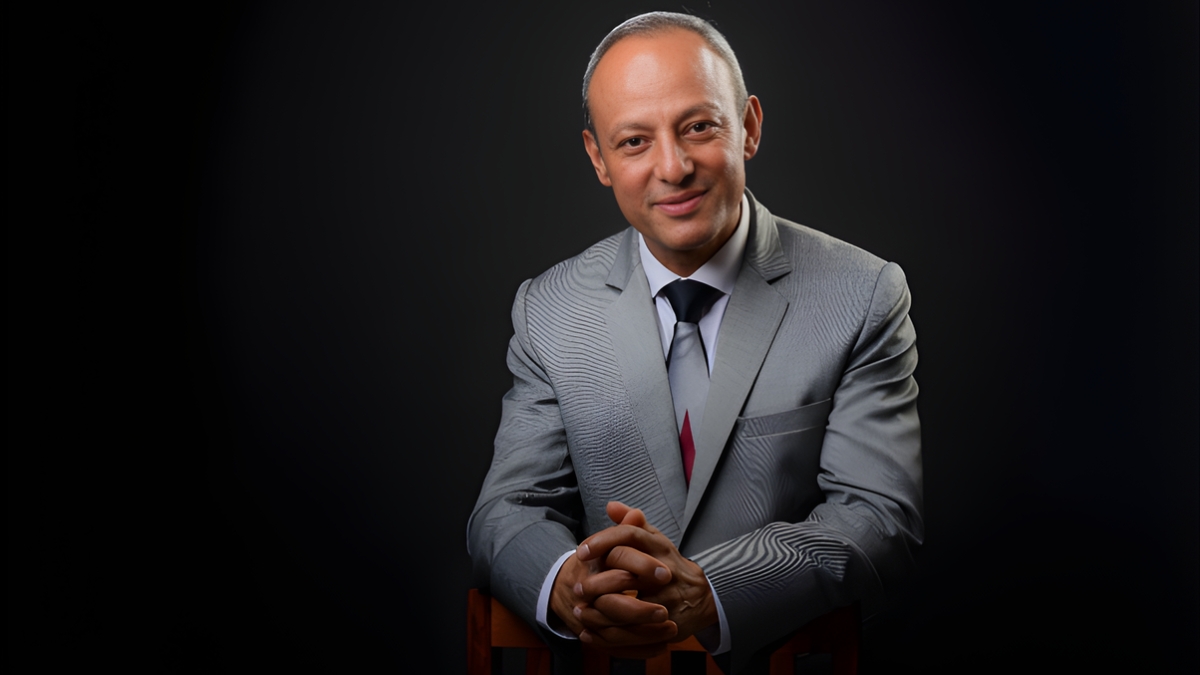
Rustom Kerawalla, Founder Chairman – VIBGYOR Group of Schools, highlights how the upcoming budget holds special significance in the light of a renewed national focus in building a New India.
Increased budget allocation: The Kothari Commission in the 1960s had set out an objective of 6% allocation of GDP to truly transform India’s education landscape. A higher budget allocation is the need of the hour and can directly impact student outcomes, especially in India’s rural and under-developed regions.
Proper allocation of resources: According to a news report in Medium, Rs 11.11 lakh crore was set aside for overall capital expenditure for FY 2024-25. However, only Rs 5.13 lakh crore was spent. This shortfall points out the inefficiency in allocation of resources and how the right structure can help in bringing about a significant change if state education schemes get the much needed capital to enhance or implement programmes.
Effective budget utilization: Only allocating a certain budget will not have the desired effect, the effective utilisation of these resources is crucial. With the National Education Policy 2020 in focus, educators and policymakers are hoping to get an increased budget allocation and effectively utilising it towards funding digital initiatives, vocational training and skill development programmes.
Technology upgrades: New-Age innovations like EdTech assessment and learning platforms, smart classrooms, e-learning solutions, and AI-powered assessmentsremain largely confined to urban areas. With appropriate budget allocation, tech-driven education can be extended to tier 2 and tier 3 cities, ensuring equitable access and bridging the digital divide in India’s education sector.
Regional disparities: Reports also point out that allocation of resources is often unequal. NITI Aayog’s School Education Quality Index (SEQI) points out that all states spend differently per student. For example, states like Kerala and Tamil Nadu tend to spend higher on their students as opposed to Bihar and Uttar Pradesh. Budget 2025-26 needs to address these regional disparities and strategically invest in underperforming states.
Infrastructure: The education sector in India needs to elevate its physical and digital infrastructure. The Ministry of Education’s 2024 report states that as many as 23% of schools do not have functional toilets and at least 17% does not have access to clean drinking water. An appropriate funding allocation can help close infrastructure gaps leading to a low dropout rate.
Public-Private Partnerships (PPP): Incentivizing PPP in the education sector is a crucial step to harness the strengths of both public and private stakeholders to improve access, quality, and innovation in education delivery. Through PPP, the private sector can bring in expertise, innovation, and financial resources, while the public sector ensures equitable access and regulation. Incentives like tax benefits, subsidies, or grants can encourage private entities to invest in education initiatives, particularly in underserved and rural areas. This can lead to the establishment of new schools, adoption of technology-driven learning tools, and the development of teacher training programmes.
In conclusion, the Union Budget 2025-26 needs to take all of these into consideration before arriving on a number that will positively affect India’s schools, higher education institutions and skill development programmes. It is crucial for the government to take bold and visionary steps to prioritize the education sector, recognizing its pivotal role in shaping India’s future.
Enhanced budgetary allocations, targeted reforms and incentivizing collaborative efforts such as Public-Private Partnerships will pave the way for a more inclusive, innovative, and accessible education system.
Rustom Kerawalla, Founder Chairman Ampersand Group-VIBGYOR Group of schools.
https://www.ampersandgroup.in/our-team/rustom-kerawalla
If you have any objection to this press release content, kindly contact [email protected] to notify us. We will respond and rectify the situation in the next 24 hours.