



The Republic Day, a celebration of unity and progress, is also a reminder that the true strength of a nation lies in the health and well-being of its citizens, especially children. However, a silent crisis looms large in India: childhood obesity. This growing public health challenge threatens not just the well-being of lakhs of children but also the foundation of a healthier future for the country.
The statistics are shocking. Nearly 14.4 million children in India are estimated to be obese, a number that has doubled over the last two decades. Childhood obesity is a complex issue with far-reaching consequences. From a higher risk of type 2 diabetes, hypertension, heart diseases and certain cancers, to mental health challenges like low self-esteem, depression and social isolation, the effects of obesity can be lifelong.
The growing incidence of child obesity can be attributed to several factors, including poor dietary habits, lack of physical activity, a sedentary lifestyle due to increased screen time, and a lack of awareness about nutrition.
However, this challenge is not insurmountable. The Fit India Movement, launched in 2019 by Prime Minister Narendra Modi, has emerged as a powerful initiative to promote a culture of fitness and health. Designed to encourage people, particularly children, to prioritise their physical well-being, this movement underscores the importance of an active and balanced lifestyle.
The Fit India Movement has the potential to tackle childhood obesity through awareness campaigns, community fitness events and school-based challenges. By developing an environment that promotes regular physical activity, balanced nutrition and mental well-being, the initiative can help children adopt healthy habits early in life and go a long way in reducing obesity.
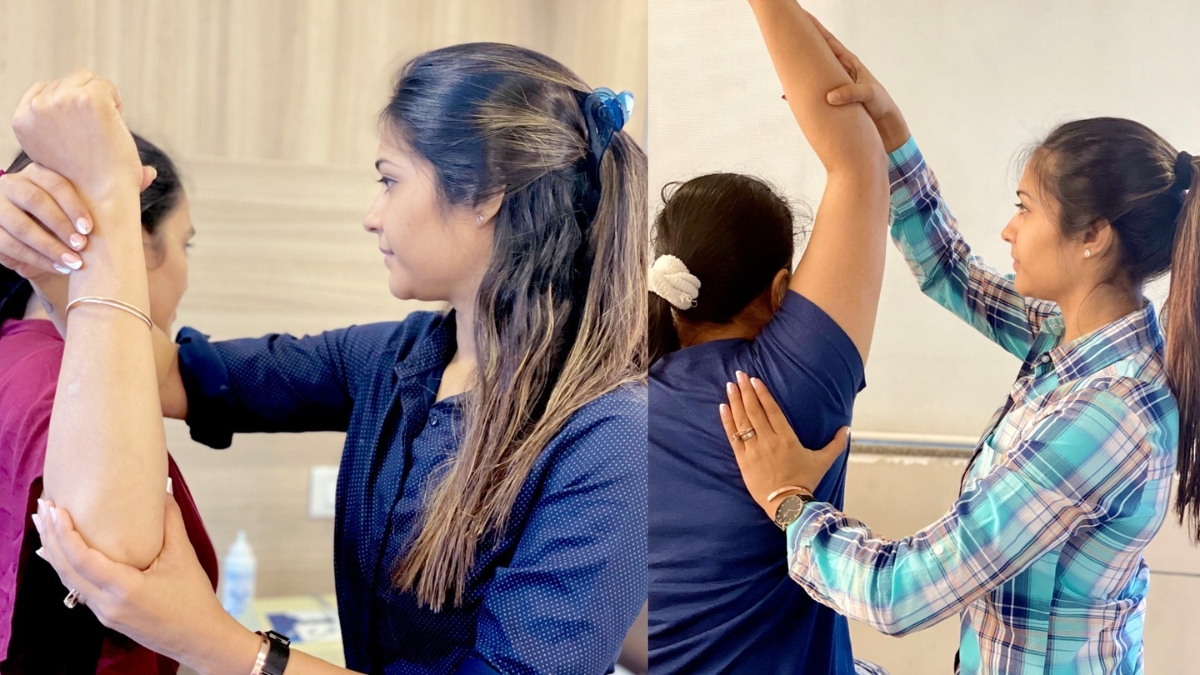
As a health coach, I strongly advocate introducing healthy habits, fitness and good nutrition during childhood. Activities such as sports, dancing or even simple outdoor play, not only aid in maintaining a healthy weight but also instil qualities like teamwork, discipline and self-confidence.
Several steps can be taken to tackle childhood obesity and promote fitness among children. These include:
1. Educating parents: Families and schools must educate children about the importance of balanced nutrition and healthy eating.
2. Encouraging physical activity: Children should be encouraged to engage in at least one hour of moderate to vigorous physical activity such as sports, swimming, cycling walking or playing outdoors daily.
3. Reducing screen time: Limiting the time spent on screens can reduce sedentary behaviour and encourage physical activity.
4. Teaching healthy eating habits: Children should be encouraged to include fruits, vegetables, whole grains and lean proteins in their diets and minimise consumption of sugary and processed foods.
5. Community support: Parks, sports complexes and safe recreational spaces are vital for active lifestyles. Local communities, schools and authorities must make these accessible to children.
A fit India is a strong India. On this Republic Day, let us pledge to create a healthier future for our children. Addressing childhood obesity is not just about tackling a medical condition, but about investing in the potential of our children and the progress of our nation. By encouraging children to embrace fitness, we not only curb obesity but also build a generation of healthy and confident individuals who can contribute meaningfully to the nation’s growth.
Let us take a step forward together for our children, our nation and the vision of a truly fit India.
The author is a certified health coach dedicated to promoting fitness and well-being across all age groups. Views expressed above are the author’s own.
Author: Dr. Afreen Jasani