


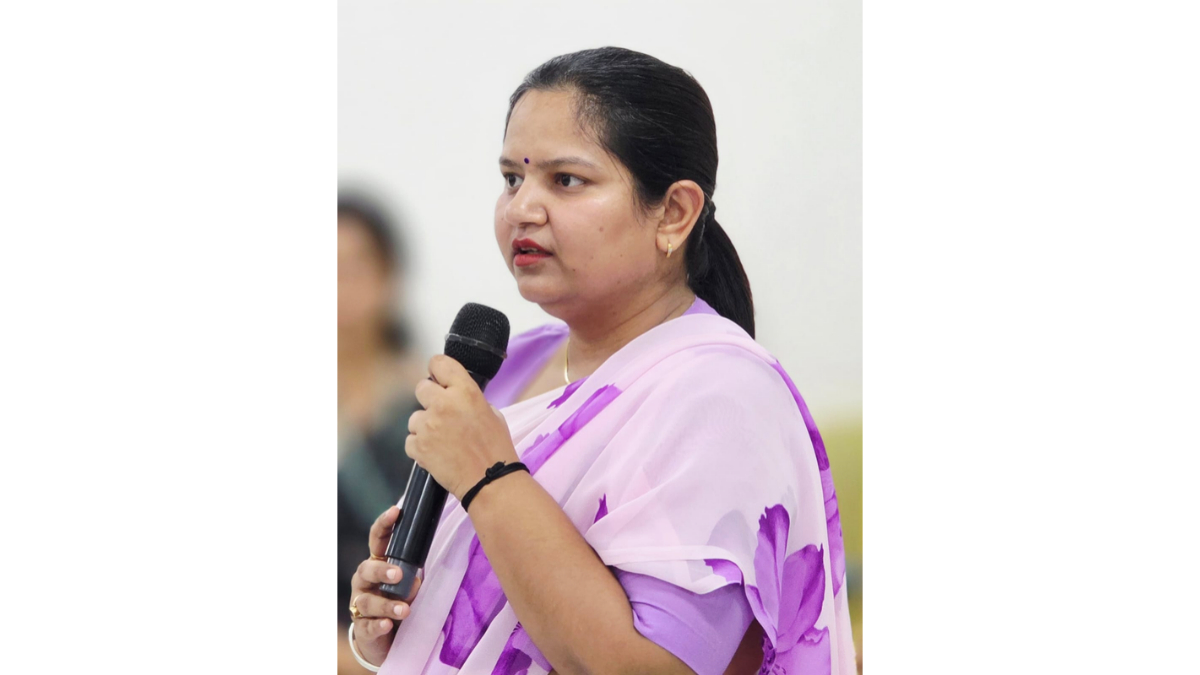


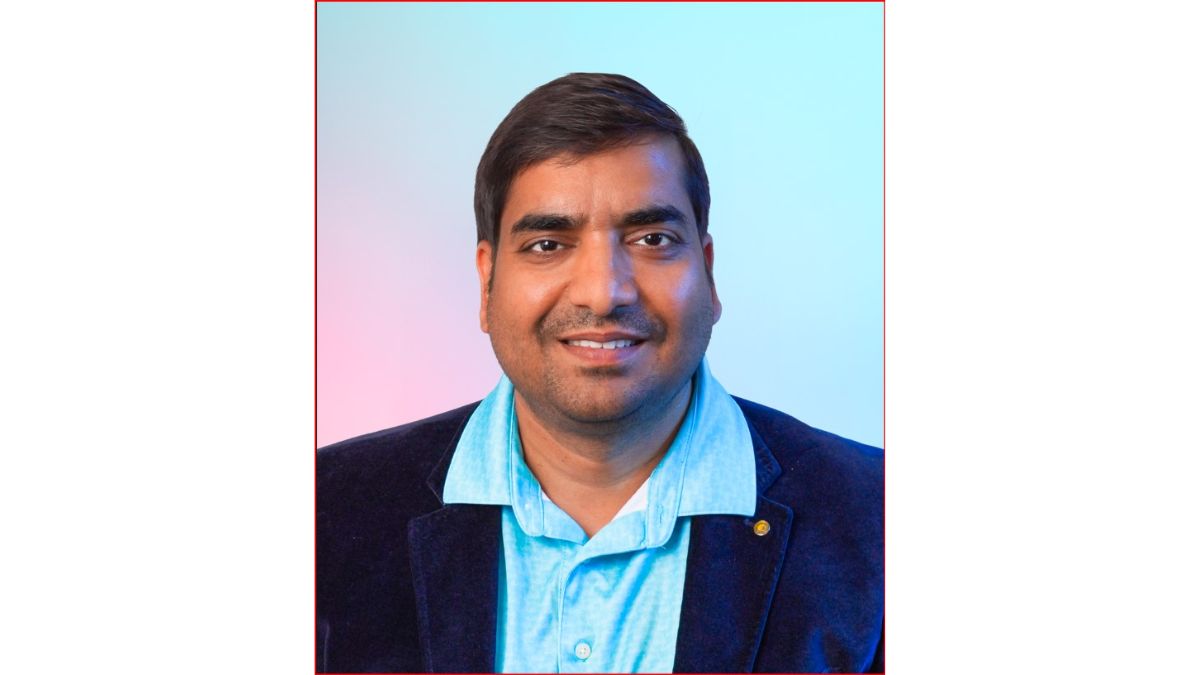
New Delhi [India], January 18: Mr. Vikas Agarwal, an expert in Artificial Intelligence, Machine Learning, and Cloud Computing, explains the implications of AI/ML bias in hiring. Artificial Intelligence (AI) has revolutionized hiring practices in the modern workplace, offering tools to streamline recruitment, from CV scanners to AI-powered interviews. These intelligent systems promise efficiency, accuracy, and fairness, claiming to help companies identify the best candidates. However, as Vikas Agarwal highlights in his study, AI and machine learning (ML) algorithms may inadvertently perpetuate biases, undermining the very fairness they were designed to ensure.
The AI Hiring Revolution: Efficiency or Bias?
AI tools in hiring have grown in popularity, with research showing that 42% of businesses utilized AI to enhance their human resource processes in 2023. Many believe these tools eliminate biases in the recruitment process, but studies suggest otherwise. Far from being a solution to prejudice, AI-based hiring systems have shown to reproduce harmful biases, often favoring younger, white candidates while disadvantaging older or non-white applicants. This is particularly evident in sectors such as tech and finance, where demographic imbalances are already prevalent.
As investigative reports such as Hilke Schellmann’s The Algorithm reveal, AI systems are not exempt from human prejudices. Schellmann argues that algorithms aren’t necessarily eliminating jobs but instead are preventing qualified candidates from even reaching the interview stage. When used across a company’s hiring practices, biased AI can have a widespread and devastating effect, rejecting talented individuals based on the perpetuation of historical discrimination.
Sources of Bias in AI
The biases in AI algorithms stem from several key factors:
- Flawed Historical Data: AI systems are typically trained on data from past hiring practices, which often reflect societal biases. If historical data shows a preference for certain demographics, AI systems may mimic these patterns, perpetuating inequality.
- Unrepresentative Data: In some cases, AI models are trained on datasets that don’t accurately reflect the diversity of the applicant pool, leading to biased decisions. This problem is compounded when the training data is too homogeneous, focusing on a narrow group of candidates and ignoring others.
- Bias in the Features Considered: AI models may unintentionally prioritize certain characteristics that correlate with bias. For example, favoring candidates with degrees from prestigious institutions might inadvertently favor those from higher socio-economic backgrounds, further reinforcing societal divides.
Cultural and societal norms also play a role in influencing data collection, which in turn affects how algorithms are developed. These norms, passed down through generations, can unintentionally reinforce stereotypes and discrimination, limiting opportunities for diverse and qualified candidates.
Mitigating AI Bias: A Challenging but Necessary Task
Recognizing the presence of bias is only the first step in ensuring AI promotes fairness. The next challenge is addressing it. Vikas Agarwal suggests that businesses must take a proactive role in overcoming AI bias through careful monitoring and correction.
One of the most effective ways to mitigate bias is to diversify the datasets used to train AI models. By using data from various sources that better reflect the diversity of the workforce, AI can make more balanced and inclusive decisions. Additionally, some AI tools now allow organizations to adjust the weight given to certain data points, ensuring that irrelevant characteristics—such as gender or race—do not unduly influence hiring decisions.
Frida Polli, CEO of Pymetrics, advocates for regular AI audits, comparing the process to a car’s test drive. These audits ensure that algorithms are thoroughly tested for biases before deployment, allowing companies to identify and correct issues before they affect hiring outcomes. Methods such as reweighing datasets, using disparate impact removers, and masking sensitive attributes like gender and race during training are just some of the strategies being employed to make AI more fair and equitable.
The Future of AI in Hiring: A Harmonious Balance
AI can undoubtedly improve hiring practices, but it should be viewed as an assistant, not a replacement for human judgment. While AI systems can help identify top talent quickly and efficiently, it is essential to pair these tools with manual oversight to ensure fairness. Companies must blend technology with human insight to catch biases that may slip through the cracks of an algorithm.
As Ryan Roslansky, CEO of LinkedIn, puts it, “The use of AI in hiring will be the biggest change in reducing bias in hiring.” With commitment and diligence, AI can evolve into a tool that promotes fairness, highlighting diverse talent and leveling the playing field for all candidates. However, this will only be possible if companies remain vigilant, continually test their systems for bias, and take corrective action when necessary.
In conclusion, while AI presents an exciting opportunity to revolutionize the hiring process, it is not without its challenges. Vikas Agarwal’s study emphasizes the importance of transparent decision-making, rigorous testing, and ethical considerations when integrating AI into hiring practices. By recognizing and addressing bias, businesses can create more inclusive, diverse, and innovative teams—ultimately gaining a competitive edge in the market.
AI may not be the silver bullet to all hiring challenges, but with proper oversight and continuous improvement, it can become an indispensable tool in fostering a more equitable future in the workplace.
Disclaimer: The insights provided in this article are meant for informational purposes only. The views expressed here are personal.