




Palghar (Maharashtra) [India], January 03: The Palghar Police, under the visionary leadership of Balasaheb Patil, Superintendent of Police, Palghar, Maharashtra State, have successfully launched the ‘Jan Samwaad Abhiyaan’ (Community Dialogue Campaign), a groundbreaking initiative designed to bridge the communication gap between law enforcement and the district’s tribal communities. This initiative has not only improved public safety but also created a stronger bond of trust between the police and local residents.
Formed in 2014 after the division of the state, Palghar is a district in Maharashtra known for its hilly terrain and significant tribal population. Historically, these communities have faced challenges like limited access to education, healthcare, and essential services, making them more vulnerable to misinformation. The spread of rumors during the COVID-19 pandemic, especially following the tragic lynching incident of two Sadhus in April 2020, highlighted the urgent need for effective communication strategies.
In response to this crisis, Balasaheb Patil spearheaded the ‘Jan Samwaad Abhiyaan’ to address the spread of false information and enhance community engagement. The initiative sought to create awareness, prevent rumors, and foster stronger relations between the police and the local population. Key objectives of the program included:
- Preventing the spread of rumors
- Promoting law and order
- Raising awareness about government schemes
- Educating the youth on legal and social matters
- Encouraging community participation in law enforcement efforts
Implementation Procedures and Strategies:
To effectively execute the ‘Jan Samwaad Abhiyaan,’ the Palghar Police developed several key strategies and procedures:
- WhatsApp Groups in Every Village: A dedicated WhatsApp group was set up in each village to facilitate direct communication between the police and the local community. This provided a platform to share important updates, address rumors, and ensure rapid dissemination of accurate information.
- Deployment of One Police Officer per Village: A police officer was assigned to each village to establish a constant presence and serve as a liaison between the police and the tribal communities. This officer built personal relationships with locals, gained trust, and ensured that the community felt heard and supported.
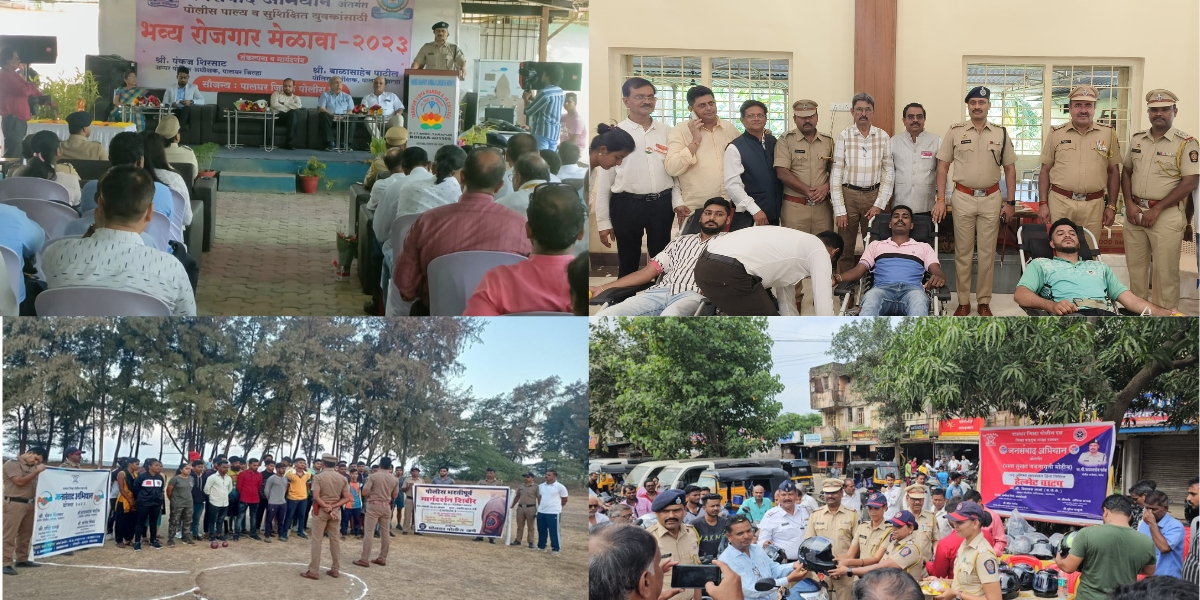
- Recruitment Drives: To ensure that local tribes had representation within law enforcement, the police initiated recruitment drives aimed at encouraging tribal youth to join the force. This provided a sense of empowerment and gave the communities direct involvement in safeguarding their own neighborhoods.
- Pre-Police Recruitment Training: Special training programs were introduced for local youth interested in joining the police force. These training sessions were designed to build confidence, improve skills, and ensure the recruits were familiar with the demands and responsibilities of law enforcement. This initiative helped gain the confidence of the local tribals, as they saw opportunities for employment and leadership roles within the police force.
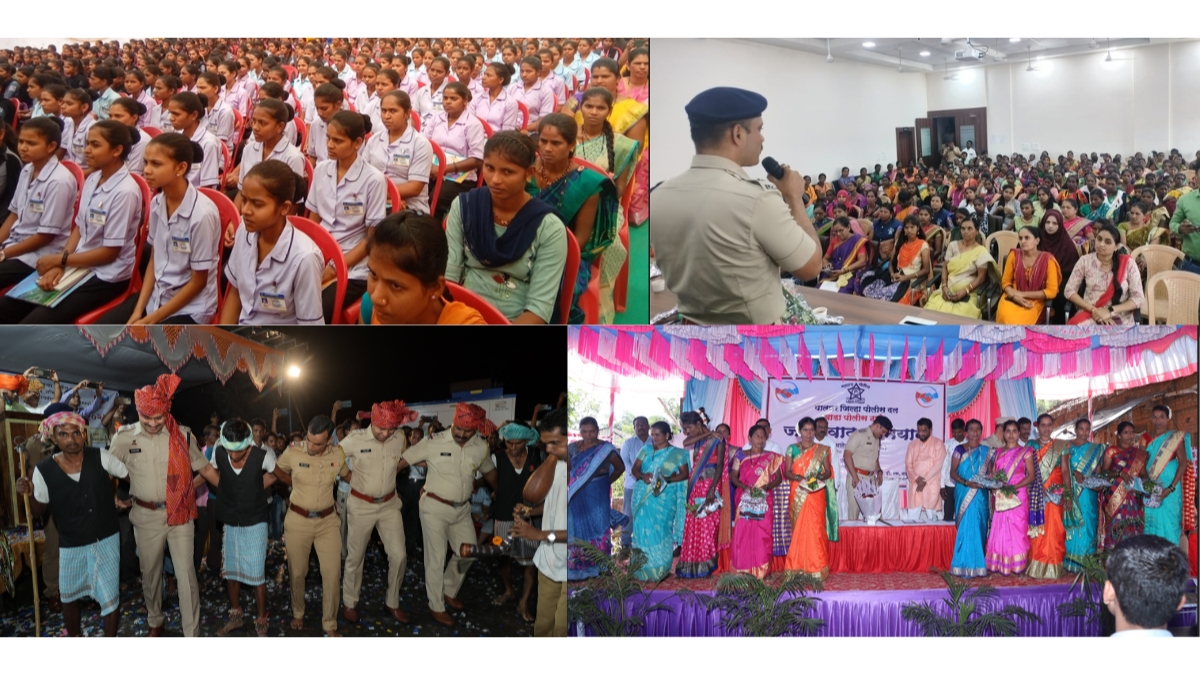
- Community Policing and Regular Dialogue: Regular meetings and dialogues were organized between the police and the community to foster trust. These interactions allowed the police to address concerns, clarify doubts, and ensure transparency in the law enforcement process. Police officers actively engaged with local leaders, women’s groups, and community workers, empowering them to take part in law enforcement efforts.
The initiative has already yielded impressive results. One significant achievement was the prevention of another mob lynching incident due to the heightened awareness and vigilance fostered by the campaign. The efforts also contributed to a reduction in superstitious beliefs and a decrease in crime, including organized crime activities, through active community involvement.
Balasaheb Patil emphasized the importance of building trust and effective communication between the police and tribal communities. Regular dialogues and interactions between police officers and locals have made law enforcement more accessible and responsive. The initiative also provided platforms for local leaders, women’s groups, and community workers to participate in policing efforts, ensuring inclusivity and trust in the system.
Furthermore, the use of digital platforms, local media, and public awareness campaigns helped extend the initiative’s reach, amplifying its impact across Palghar. Police officers at all levels, including constables and sub-divisional police officers, were actively engaged in the community, offering a direct line for addressing local issues and building relationships.
Despite challenges such as geographical isolation and a long history of mistrust, Balasaheb Patil’s leadership and the ‘Jan Samwaad Abhiyaan’ initiative have proven highly successful in fostering a safer, more informed community. The initiative has helped reduce the spread of false information, prevented potential violence, and promoted peace and cooperation between the police and the tribal communities.
The ‘Jan Samwaad Abhiyaan’ stands as a model for community policing, demonstrating that effective law enforcement is rooted in communication, engagement, and trust-building. The initiative has set a new benchmark for policing in Palghar, creating a safer and more connected environment for all.
This story is released by Satish Reddy from http://worldnewsnetwork.co.in/
If you have any objection to this press release content, kindly contact [email protected] to notify us. We will respond and rectify the situation in the next 24 hours.