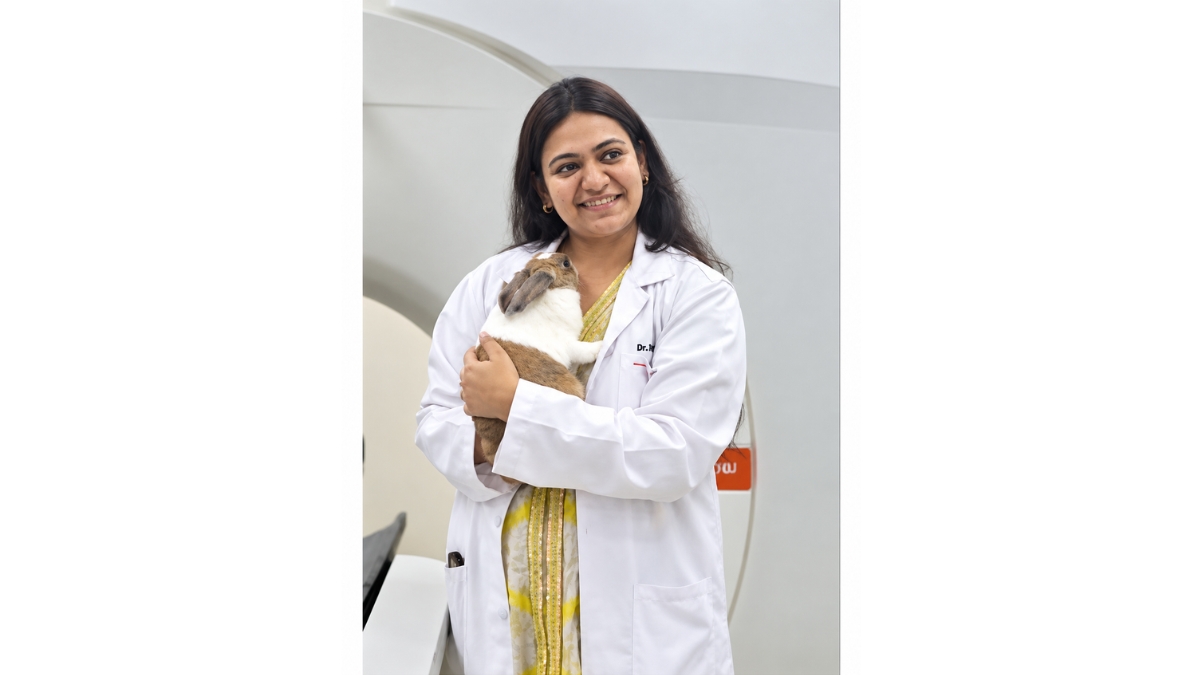



Surat (Gujarat) [India], September 10: Cancer, a word that evokes fear and uncertainty, has become increasingly prevalent in our modern world. Dr. Dinky Gajiwala, a medical oncologist and founder of Hope Cancer Clinic, frequently encounters patients and their families who often ask why cancer rates are rising, particularly among younger individuals. While numerous factors contribute to cancer, there is growing evidence that lifestyle habits play a significant role. This article explores how seemingly innocuous daily choices, such as drinking coffee from paper cups, consuming frozen foods, and eating from printed newspapers, might contribute to this alarming trend.
The Modern Lifestyle and Its Impact on Health
1. The Hidden Threats of Paper Cups
The convenience of paper cups for hot beverages like coffee and tea must be considered. However, these cups often contain microplastics and chemical additives to prevent leakage. Studies have shown that when hot liquids are poured into these cups, microplastics can leach into our drinks. Microplastics have been found in human tissues, and their long-term health effects are still being studied. Some research suggests that they might contribute to inflammation and cellular damage, which are risk factors for cancer.
2. The Frozen Food Phenomenon
Today’s fast-paced lifestyle has made frozen foods a popular choice for many. While they offer convenience, there are hidden risks associated with their consumption. Many frozen foods contain preservatives and additives to prolong shelf life and enhance flavor. These chemicals, such as sodium nitrite and bisphenol A (BPA), have been linked to cancer. Additionally, freezing and reheating food can result in the formation of harmful compounds, such as acrylamide, a known carcinogen.
3. The Perils of Eating from Printed Newspapers
In many parts of the world, street food vendors often serve food on old newspapers or printed paper. This practice, while cost-effective, poses significant health risks. The ink used in printing newspapers contains various chemicals, including heavy metals and toxic substances like benzene and toluene. When food comes into contact with these inks, harmful chemicals can transfer to the food and enter our bodies. Chronic exposure to these chemicals has been associated with various cancers, including liver and kidney cancer.
Lifestyle Choices and Cancer Risk
The rise in cancer cases cannot be attributed to a single cause. However, the cumulative effect of exposure to harmful substances through our daily habits must be considered. “It’s crucial to understand that lifestyle choices significantly impact our overall health and cancer risk,” says Dr. Gajiwala.
1. Environmental Pollutants and Dietary Habits
Environmental pollutants, such as those found in plastics and industrial chemicals, have been shown to disrupt endocrine functions and promote carcinogenesis. Moreover, dietary habits, including consuming processed and preserved foods, can introduce a variety of carcinogens into our bodies. The correlation between these habits and the increasing cancer rates is becoming more evident through ongoing research.
2. The Role of Public Awareness and Education
Raising public awareness about the potential dangers of these modern lifestyle habits is essential. Educating people about safer alternatives, such as using reusable cups and containers, opting for fresh and organic foods, and avoiding food served on printed paper, can significantly reduce exposure to harmful substances. Public health campaigns and policy changes can be vital in this educational effort.
Steps Towards a Healthier Future
To mitigate the risk of cancer and other health issues associated with modern lifestyle habits, it is imperative to make informed choices:
Opt for Reusable Containers: Choose stainless steel, glass, or BPA-free plastic containers for food and beverages.
Consume Fresh Foods: Prioritize fresh, whole foods over frozen and processed options. When using frozen foods, select those with minimal additives and preservatives.
Avoid Eating from Printed Papers: Ensure food is served on clean, food-grade materials rather than newspapers or printed paper.
Please stay informed: Keep in touch with new research and guidelines regarding food safety and environmental health.
The increasing incidence of cancer in younger populations is a multifaceted issue, with lifestyle habits playing a significant role. By making conscious choices and promoting public awareness, we can reduce our exposure to harmful substances and contribute to a healthier future. Dr Dinky Gajiwala urges everyone to reevaluate their daily habits and make changes to save lives. “Remember, small adjustments today can lead to significant health benefits tomorrow,” she advises.
If you have any objection to this press release content, kindly contact [email protected] to notify us. We will respond and rectify the situation in the next 24 hours.