



Beyond standard measures of prevalence and usage, Industry Leaders and Health Experts call for a nuanced approach to solving for Tobacco impact
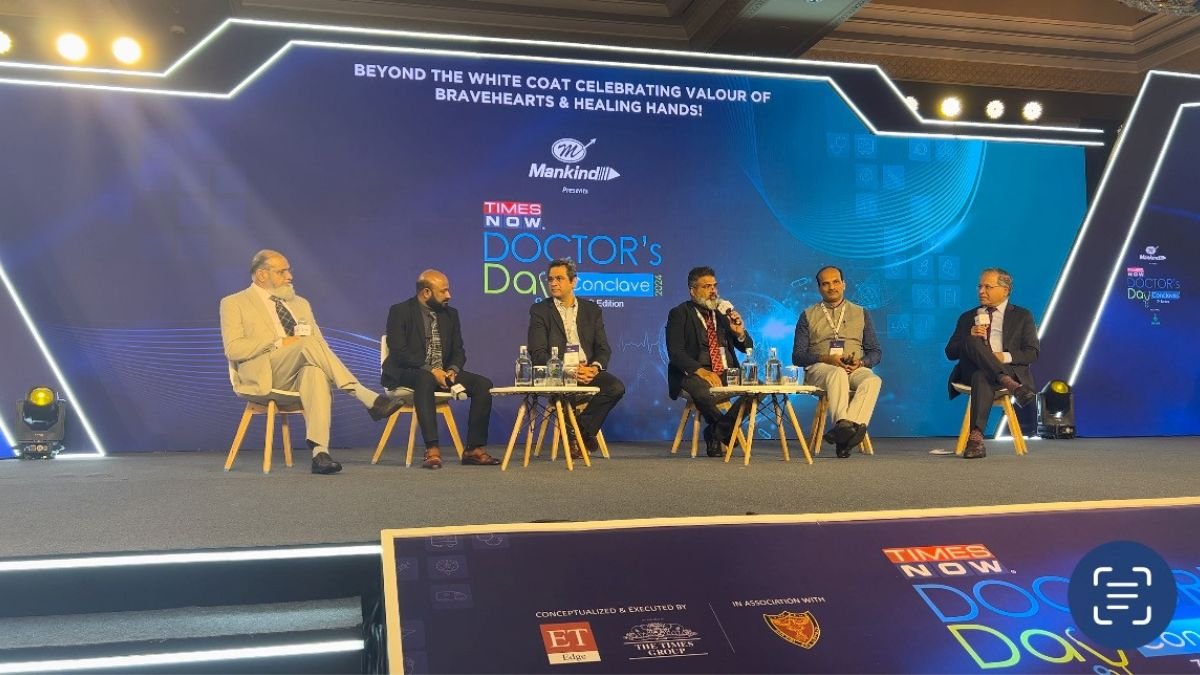
New Delhi (India), July 4: To commemorate Doctors’ Day, the Times Now Doctors Day Conclave brought together leading medical professionals to celebrate their contributions and address pressing health issues facing India. One such critical issue is the devastating toll of tobacco use. While existing policies aim to curb tobacco consumption, the human and economic cost remains significant.
Current national tobacco control policies haven’t yielded the desired results. Millions of lives are lost each year to tobacco-related diseases, placing a crushing burden on India’s healthcare system. The panel discussion on “India needs a new and comprehensive approach to combating addiction led NCDs” at the Conclave highlighted the urgent need for a fresh and comprehensive approach to combat addiction-driven NCDs, particularly the root cause – nicotine addiction.
Yugal Sikri, Vice Chairperson & Managing Director of RPG Life Sciences, emphasized the gravity of the situation, stating, “Addressing non-communicable diseases is not just important but critical, demanding a fresh and comprehensive approach to combat addiction driven NCDs. The rise of these NCDs linked to addiction is alarming, with tobacco alone responsible for one in six NCD-related deaths.”
The discussion ignited with a thought-provoking question posed by Yugal Sikri: Is it nicotine itself, or the way it’s delivered, that poses the greater threat?
Dr. Sequeira, a leading public health figure, built upon this by urging a clear distinction between nicotine and tobacco. He called out the issue of misinformation surrounding nicotine, even among healthcare professionals. Nicotine is addictive, but the nicotine in cigarettes, bidis etc is not directly responsible for the cancer, lung disease, and heart disease that kill hundreds of thousands of Indians each year. Yes, it got them all addicted and kept them addicted for the long term. But it’s the other chemical compounds in tobacco, and in the smoke created by setting tobacco on fire, that directly and primarily cause the illness and death, not the nicotine. So we need to take a fresh look at nicotine itself, and how the addiction that it causes relates to the potential harm of its delivery mechanism.
Atish Majumdar, Senior President of Mankind Pharma, pointed out “We are faced with a monumental challenge. Increasing awareness is crucial in tackling the impact of addiction-driven NCDs and promoting harm reduction. Clearly defining addiction is essential. Beyond tobacco, sugar, and salt also play significant roles as contributors to addiction-driven NCDs,” he noted.
Health-risk labels are therefore critical for any addiction related NCDs – be it tobacco or food products.
Dr. Mohsin Wali, Padma Shri Awardee & Senior Consultant in Oncology, Healthcare, Cancer, and Clinical Research at Sir Gangaram Hospital, stressed the importance of prioritizing the future well-being of youth. He said, “It is crucial to prioritize the future and the well-being of our youth. Now is the opportune moment to confront addiction-driven non-communicable diseases (NCDs), particularly the increasing prevalence of smoking among younger demographics.”
The panel discussion acknowledged that the need of the hour therefore is a more nuanced approach to characterizing the overall impact of the tobacco market—something better than tobacco-use or prevalence. A new approach of ‘harm weighting’ or ‘risk grading’ in characterizing tobacco use, basically creating an index of tobacco use that takes account of the differences in risk between different products. Traditional cigarettes and bidis reside at the most hazardous end of this spectrum, while medicinal nicotine products (like NRTs) fall on the safer side. By recognizing the risk index, the conversation can shift. Instead of coping with tobacco control, we would be solving for tobacco control.
Dr. Rohan Savio Sequeira, Consultant Cardio-Metabolic Physician and Specialist in Non-Invasive Cardiology, Diabetes & Endocrinology, and Hon. Consultant Physician to the Governor of Maharashtra, emphasized the need for educating medical professionals and pharmaceutical companies on addressing the real root cause. “Patients come and ask us on how do I quit? We as medical professionals are at the forefront of this, therefore we need to fully comprehend what ‘harm’ and ‘harm reduction’ means.
Dr Sequeira also called out the inadequacy of Nicotine Replacement Techniques by pointing out that ‘Data suggests that NRTs have an efficacy rate of just 7%. The challenge primarily lies in addressing nicotine delivery systems. It is crucial to prioritize education as part of the National Health Policy. This includes educating rural physicians on the dangers of addiction and effective strategies to minimize harm,” he said.
Dr. D. Dhanuraj, Founder-Chairman, Centre for Public Policy Research (CPCR) elaborated further on nicotine delivery systems, “Over the past decade, reducing harm from tobacco use has become crucial, prompting us to involve stakeholders in accelerating awareness efforts. Despite increased taxes on tobacco products, usage rates have continued to rise. Alternative nicotine delivery systems present a viable option for reducing tobacco use and merit further exploration.”
The Conclave concluded by calling for a novel public health strategy that embraces risk-based profiling of tobacco products. This strategy would acknowledge the complexities of nicotine dependence and prioritize the well-being of the Indian population. A family and population-focused approach to reducing tobacco-caused disease and death must start from the premise that, as far as tobacco is concerned, the bigger problem is the delivery system. By leveraging scientific advancements, fostering open discussions among healthcare professionals, and implementing innovative policies, India can chart a new course in the fight against tobacco-related NCDs.
If you have any objection to this press release content, kindly contact [email protected] to notify us. We will respond and rectify the situation in the next 24 hours.