


Kolkata (West Bengal) [India], May 20: The city of joy, Kolkata, witnessed the second chapter of the International Museum Expo on the 18th and 19th of May, organised by the Ministry of Culture, Government of India, to initiate a holistic conversation on museums and India’s cultural diplomacy through digitization.
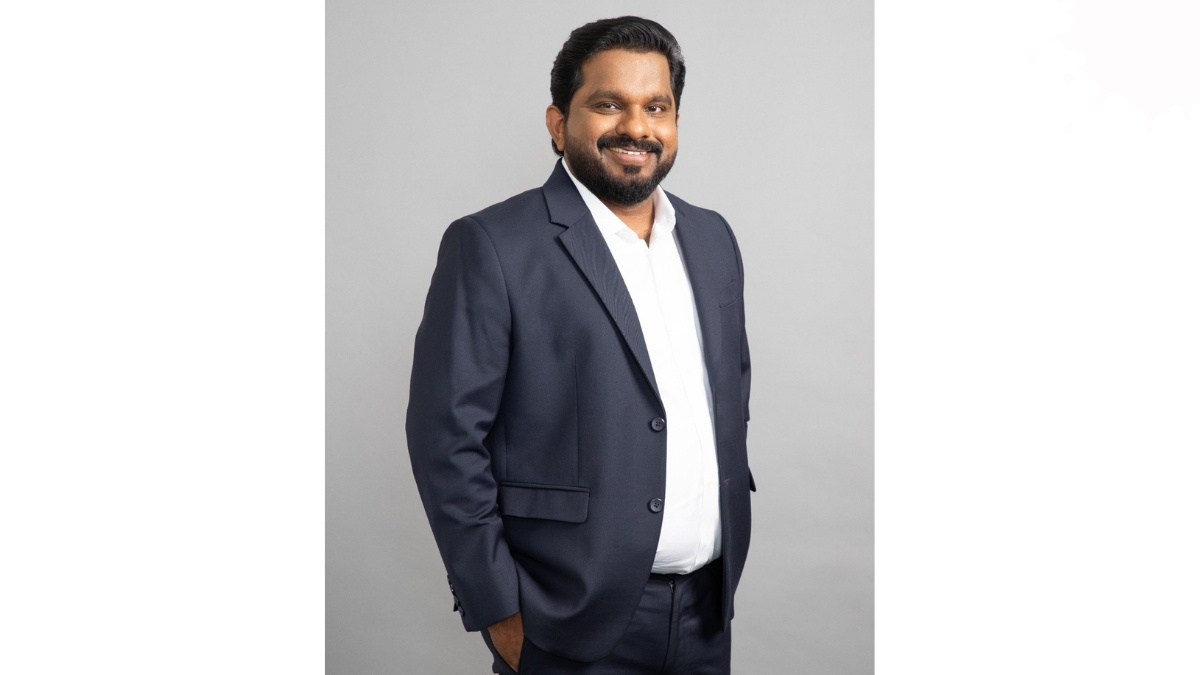
In the rapidly evolving digital landscape, visionary entrepreneur Mr. Hitesh Kumar is leading the charge in integrating advanced technologies such as 3D digitization, artificial intelligence (AI), augmented reality (AR), and virtual reality (VR) to revolutionise the preservation and presentation of cultural heritage. By combining cloud-based infrastructure with automated 3D digitization pipelines, Mr. Kumar’s innovative approach ensures the longevity of historical artefacts while transforming public engagement with cultural experiences.
Mr. Hitesh Kumar’s multi-disciplinary enterprise, Varaha Heritage, is at the forefront of enhancing the capabilities of museums and cultural institutions worldwide. Leveraging cutting-edge technology, Varaha Heritage enables these institutions to create immersive and interactive experiences, thereby attracting and engaging a broader audience.
“Monetization is one of the key areas where museums need to be empowered, and entrepreneurs can create solutions to help museums achieve a better return on investment,” stated Mr. Hitesh Kumar, co-founder & CEO of Varaha Heritage. With this in mind, his venture focuses on developing innovative monetization strategies that allow museums to create premium physical assets like souvenirs and replicas, and capitalise on their digital assets. These strategies include virtual tours, exclusive online content, and 3D-interactive exhibits, which generate revenue while providing educational value.
Central to his vision is the use of 3D digitization. This technology meticulously captures the intricacies of artefacts, allowing them to be preserved in high-definition digital formats with world-class precision. These digital replicas can be used in VR and AR applications, enabling the public to explore and interact with exhibits in unprecedented ways. Imagine stepping into a virtual ancient temple or examining a centuries-old artefact from every angle, all from the comfort of your home, by exploring the digital library of Heritage Verse (the digital repository of Varaha, launched at the expo) on your smartphone.
In addition to technological innovations, Mr. Kumar is a strong advocate for a Public-Private Partnership (PPP) model. “Curation should remain independent, with a focus on the PPP model to empower museums and enrich the public experience with quality, variety, and efficiency,” he emphasised. By fostering collaborations between public institutions and private enterprises, Hitesh believes that museums can achieve greater financial stability and operational efficiency. This model ensures that curatorial independence is maintained, while the infusion of private sector expertise and resources enhances the overall quality and variety of museum offerings.
AR and VR technologies play a crucial role in this transformation. AR can bring static exhibits to life with interactive elements that provide additional context and information. For example, a visitor viewing an ancient manuscript through an AR app could see translations, annotations, and related historical imagery. VR, on the other hand, can create fully immersive environments that transport users to different times and places, offering experiences that are both educational and engaging. His 13-year-old venture, Splat Studio, has carved a niche for itself in the industry, specialising in AR, VR, VFX animations, filmmaking, and projection mapping.
New media production is another key component of Mr. Hitesh’s approach. By creating high-quality new-media content, he provides museums with valuable material for both on-site and online exhibits. This content not only enhances the visitor experience but also serves as powerful marketing tools that attract new audiences.
Heritage and cultural preservation lie at the heart of Mr. Kumar’s mission. The enterprise works closely with historians, archaeologists, and cultural experts to ensure that every digital project is accurate and respectful of its source material. This collaborative approach ensures that cultural treasures are not only preserved but also celebrated and shared with the world in a meaningful way.
As Varaha & Splat Studio continue to push the boundaries of what’s possible with digital technology, the future of cultural heritage preservation looks brighter than ever. Museums and cultural institutions that embrace these innovations are poised to thrive in the digital age, offering their audiences richer and more engaging experiences.
For more information about Mr. Hitesh Kumar and his groundbreaking work in 3D digitization, AR, VR, and cultural heritage preservation, you can contact him at [email protected]
If you have any objection to this press release content, kindly contact [email protected] to notify us. We will respond and rectify the situation in the next 24 hours.